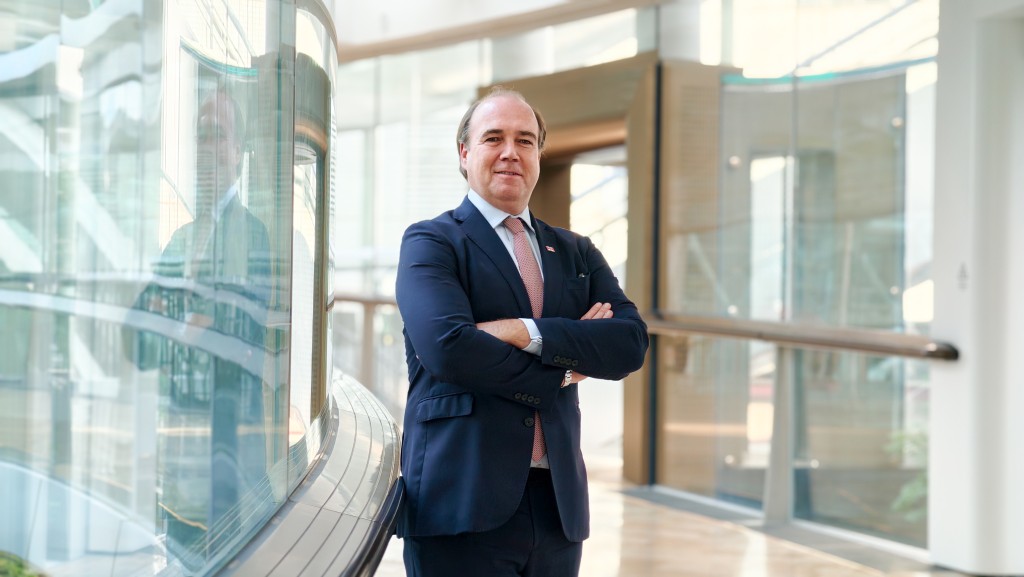
Hong Kong's sustainable debt market has maintained strong growth this year, with total issuance expected to reach US$34.3 billion (HK$267.54 billion) in the first half of 2025, a 15 percent year-on-year increase, according to Eddie Yue Wai-man, chief executive of the Hong Kong Monetary Authority, in his blog post.
Yue noted that Asia’s sustainable debt market continues to show strong growth momentum, attracting increased attention from European and American investors.
In 2024, the total issuance of green and sustainable debt in Hong Kong (including bonds and loans) reached US$84.4 billion, up 61 percent year-on-year. Of this, green and sustainable bonds arranged in Hong Kong amounted to US$43.1 billion, with private issuers accounting for about 80 percent.
The Sustainable Finance Action Agenda, which HKMA launched last year, leverages Hong Kong’s role as a regional sustainable finance hub to support sustainable development across Asia and globally, Yue said, adding that positive trends have emerged, and efforts are underway to help the industry seize related opportunities.
Yue also mentioned that the HKMA is exploring the application of tokenization technology in other sustainable finance areas, such as the carbon credit market, to enhance cross-border transaction efficiency and support the internationalization of local carbon credit markets. A proof-of-concept is underway, with test results expected within the year.
To facilitate cross-border investment, the HKMA will consider the compatibility and comparability the of the next phase of Hong Kong Taxonomy for Sustainable Finance with those in other regions. Additionally, efforts will continue to raise awareness and engagement in sustainable investment among asset owners, such as sovereign wealth funds, pension funds, family offices, and foundations.
Yue noted that the 2025 Hong Kong Green Week will take place next week, featuring over 40 events organized by more than 60 local and international public and private institutions. The event will gather hundreds of global and local public policymakers, business leaders, experts, and scholars in sustainable development.