Read More


HKBU launches pioneering EMBA program at Shenzhen leaders' dinner
16-06-2026 18:11 HKT

Eric Tsang and his daughter pocket 8pc profit on The Cliveden home sale
23-06-2026 15:13 HKT
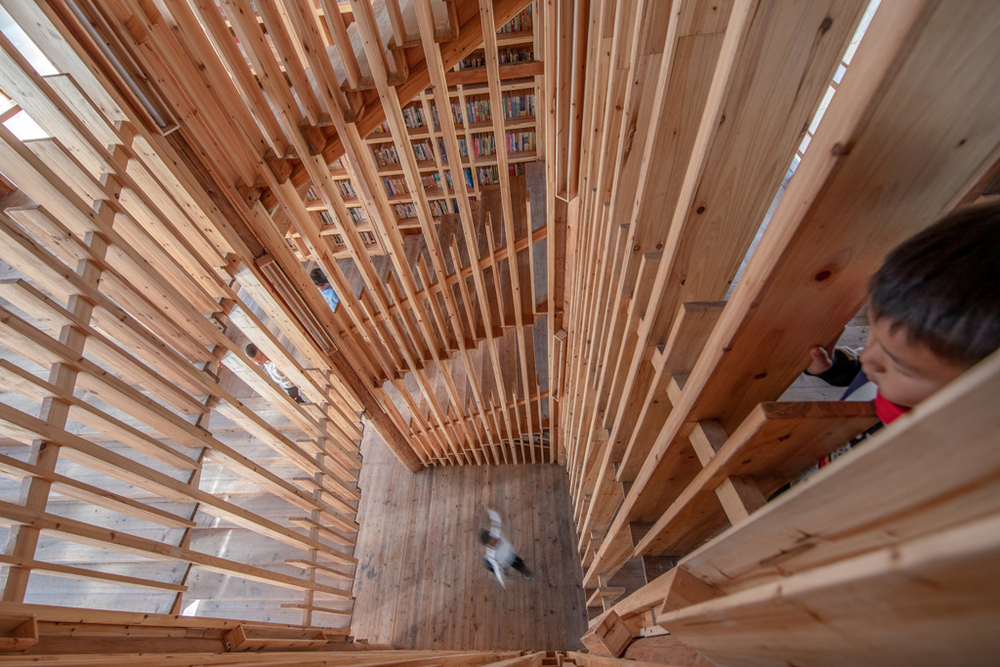
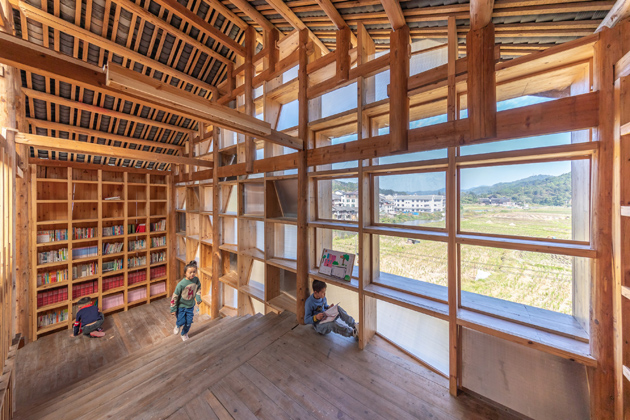
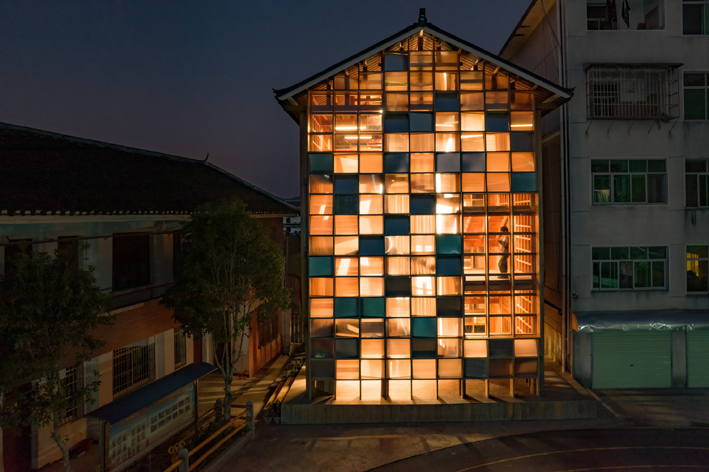
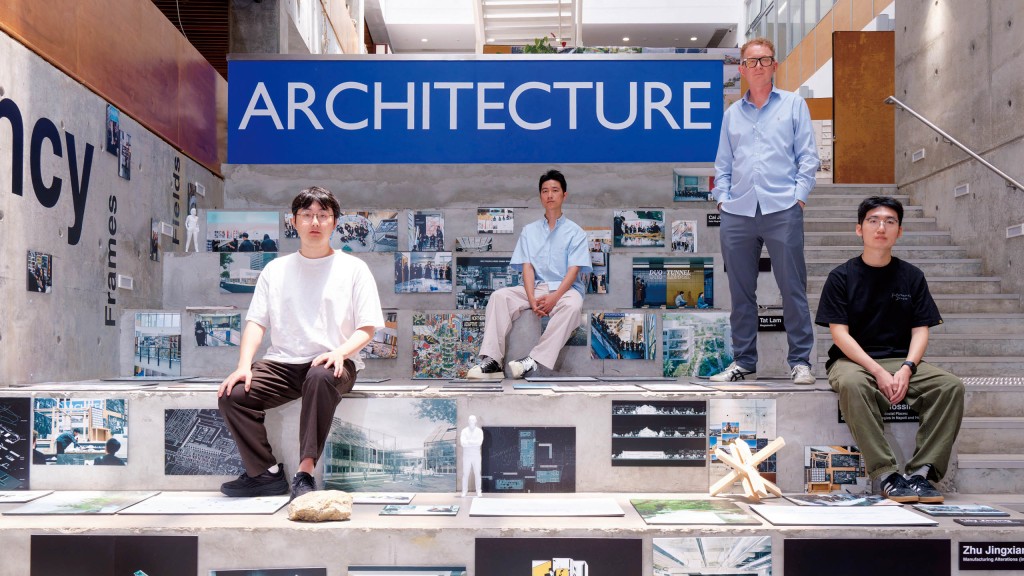
A pleasant space goes a long way toward inculcating a reading habit. The Chinese University of Hong Kong's School of Architecture previously announced the opening of the Pingtan Book House in Hunan province to serve more than 300 children from Pingtan and nearby villages.
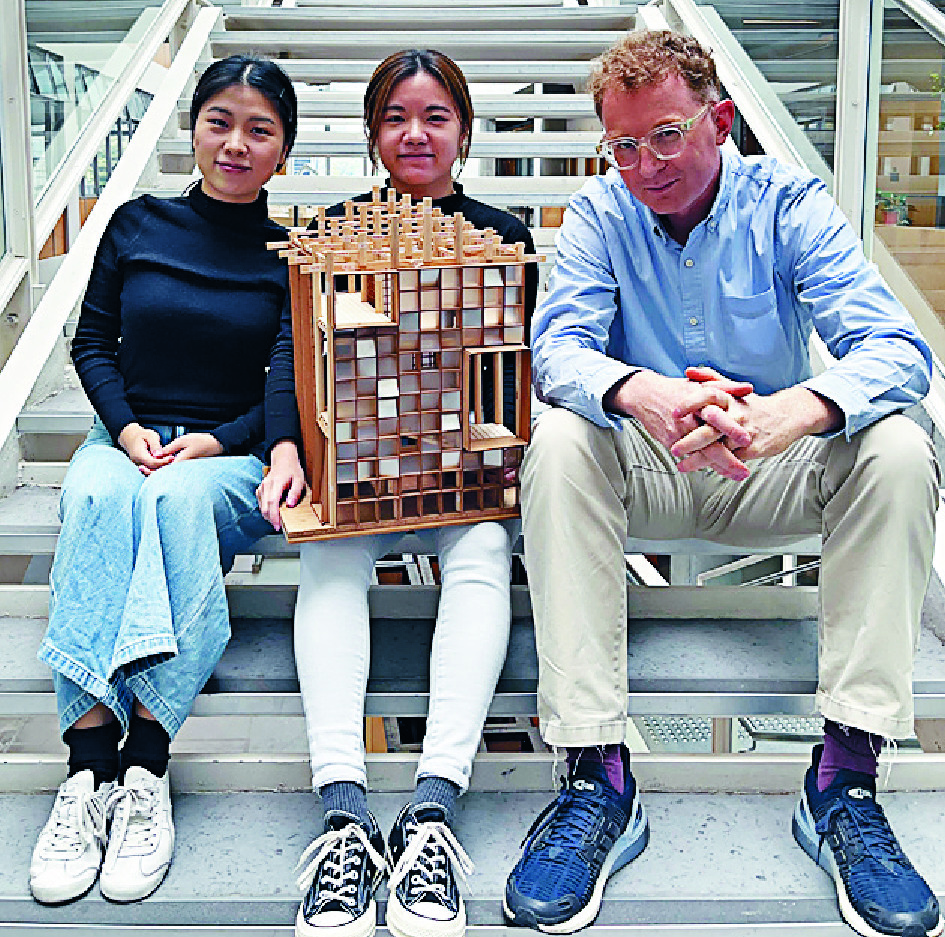
The brains behind the project are professors Peter Ferretto and Cai Ling and Ferretto's team at Condition-Lab, a design research laboratory from CUHK that is working with Dong minority villages located in the Pingtan Valley, Hunan.
"We are interested in an architecture that thinks of people, where design can give new ideas about what our city should be like - through design you enable change," said Ferretto.
The Pingtan Book House is Condition-Lab's second. The first library, built in the Hunan village of Gabou, won the prestigious World Architecture Festive Civic and Community Building of 2018.
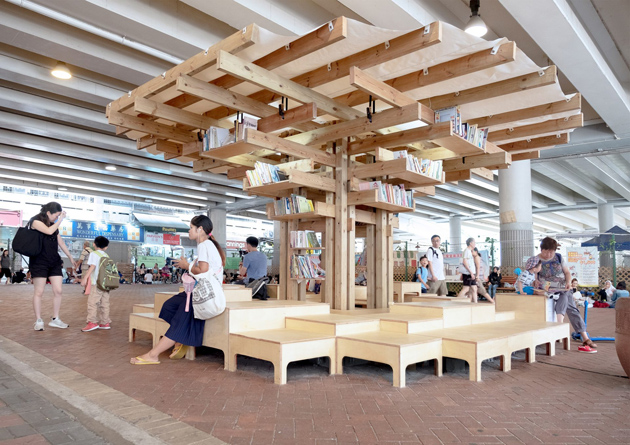
In the same year, Condition-Lab also built Book Tree, a temporary structure in Mei Foo for the neighborhood as a book exchange platform.
With the team's aim of cultivating children's interest in reading books while playing, creating a new paradigm for rural village libraries, the actualization comes from the team's professional knowledge in architecture and was inspired by Lello & Irmao Bookstore in Porto, Portugal.
Another architectural feature about the building, as well as Condition-Lab's philosophy, involves locality.
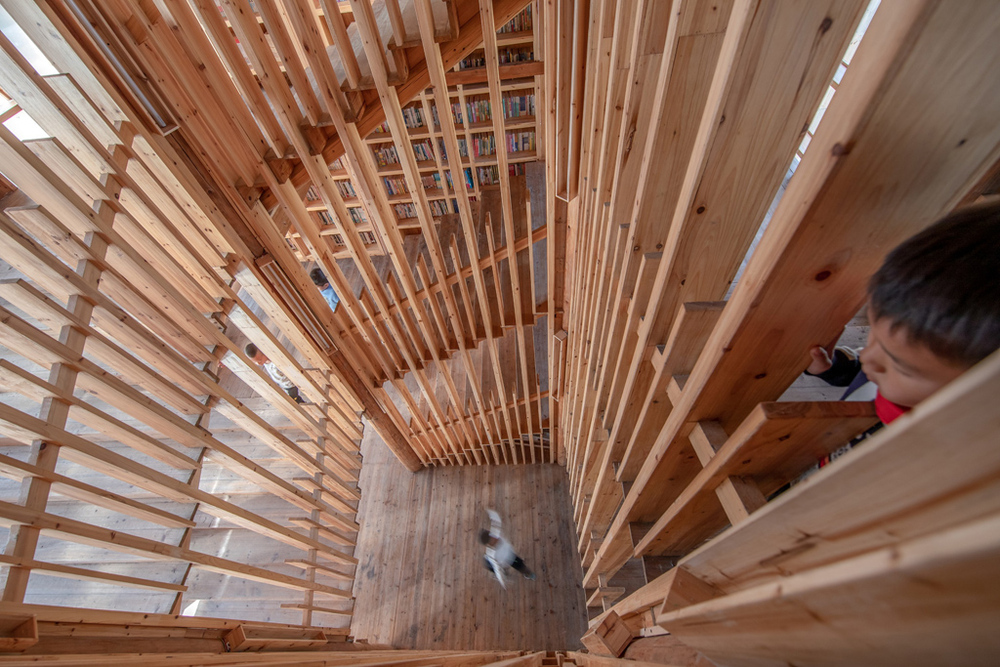
Ferretto said the book-house is built the traditional Dong way, using only a single material - wood without any nails.
"When we visited the site, the principal of Pingtan primary school showed us an old shed that used to be a bathhouse and told us we could use it as the site for the new library. We immediately thought of a traditional Dong house called ganlan or stilt, with a spiral staircase inside," said Ferretto.
Fir used in the construction was locally sourced while local carpenters instead of builders from outside were also recruited to assemble the library.
"There are no chairs inside; the stairs become the seats. Children can play, have fun surrounded by books and when they feel like it pick up a book and escape into another world," Ferretto said.
"A beautiful thing that happened when the building opened is that students started to place drawings and paintings onto the shelves, transforming the walls into a sort of children's art gallery."
Besides the advantages for the book-house's users, CUHK students' involvement in the project has also gained them rare experiences in the local setting.
Ferretto said Hong Kong's architecture students are rarely exposed to making things with their own hands.
"Construction is paradoxically a foreign concept to them. With projects like this, we can reconnect students with the craft and the haptic sense. Architecture in Hong Kong needs to focus more on people than be obsessed with form, style and profit."
While the laboratory's future project in Pingtan is to build a new research center for students from all over China to come and study Dong traditional culture, projects in the SAR haven't been put on pause.
"Our next big idea for Hong Kong is to establish a network of youth making spaces where young people can come together to make, using their hands to connect with traditional craftsmanship and reinterpret them into contemporary designs.
"At the moment we are due to start a new project on the island of Yim Tin Tsai in Hong Kong, where we wish to repair traditional Hakka houses that have fallen into disrepair," said Ferretto.