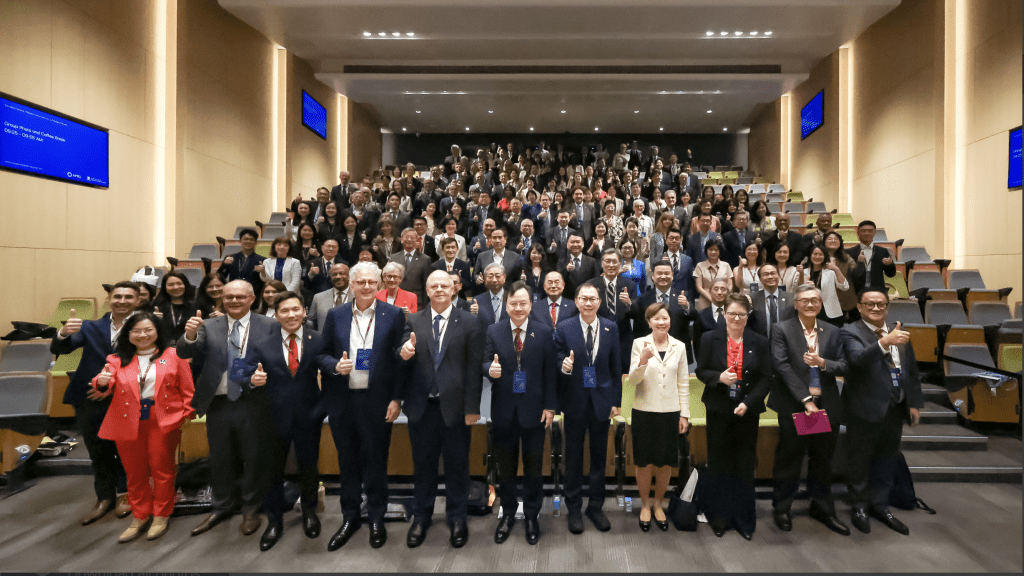
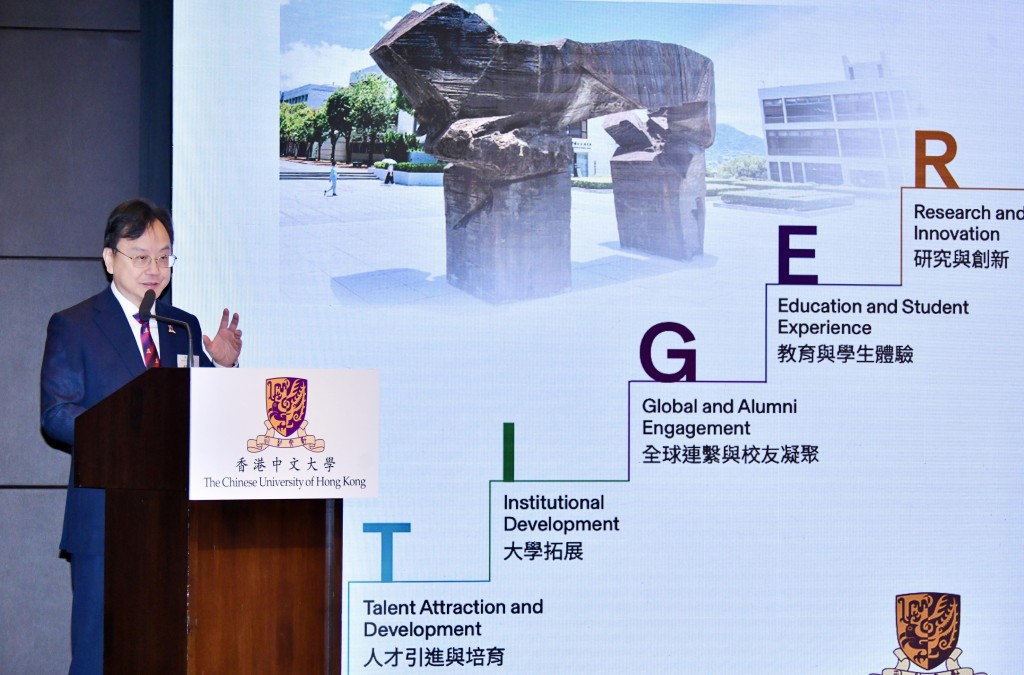
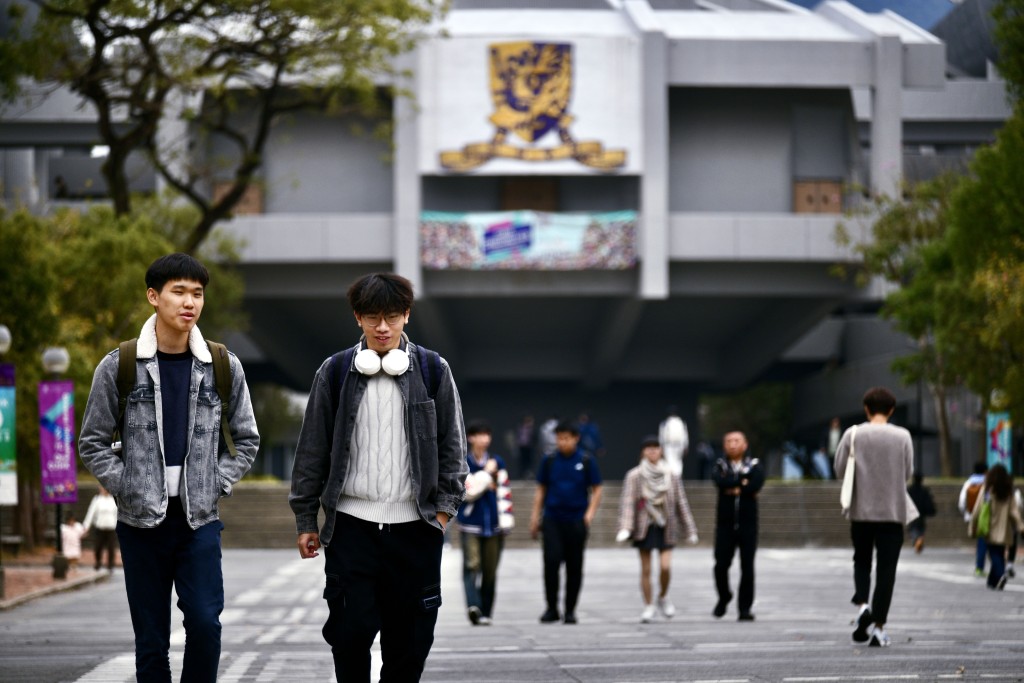
About 150 academic leaders gathered at the Chinese University of Hong Kong on Monday to discuss the future of global higher education and the transformative impact of artificial intelligence.
The event marked the opening ceremony of the Association of Pacific Rim Universities’ annual presidents’ meeting, which coincides with the network’s 30th anniversary.
The three-day summit brings together senior representatives from 45 leading research institutions across 19 economies in the Asia-Pacific region.
Discussions will focus on building sustainable education systems and defining the role of universities in an increasingly complex geopolitical landscape.
CUHK vice-chancellor and president Dennis Lo Yuk-ming said universities must actively shape social change rather than merely respond to it.
He also highlighted Hong Kong’s unique position as an international education hub and a gateway connecting the Chinese mainland with the rest of the world.
Speaking at a panel discussion on education design, Lo emphasized the importance of ensuring that graduates retain their core humanity in an age increasingly shaped by automation.
Ho Teck-hua, president of Nanyang Technological University and chair of the association, said new global talent flows will help spread academic ideas worldwide.
He added that disruption driven by artificial intelligence is forcing educators to rethink how best to prepare students for the future job market.
Thomas Schneider, chief executive of the network, urged universities to lead with purpose and use collaborative innovation to serve the global public good.
Following the main summit, CUHK will host a separate meeting from Tuesday to Wednesday for senior international leaders to discuss resilient and inclusive global engagement.
Delegates will also visit an ongoing exhibition at the university’s art museum featuring more than 150 Qing dynasty artifacts from the reign of the Qianlong Emperor.