Hong Kong should seize the bullish sentiment in the stock market and urgently explore the feasibility of 24-hour trading.
As one of the “New York-London-Hong Kong” financial hubs, the city must keep pace with its counterparts. Both New York and London are already studying extended trading hours, and Hong Kong cannot afford to lag behind.
Launching 24-hour trading could position the city as a leader in global finance and build on its successful implementation of severe weather trading.
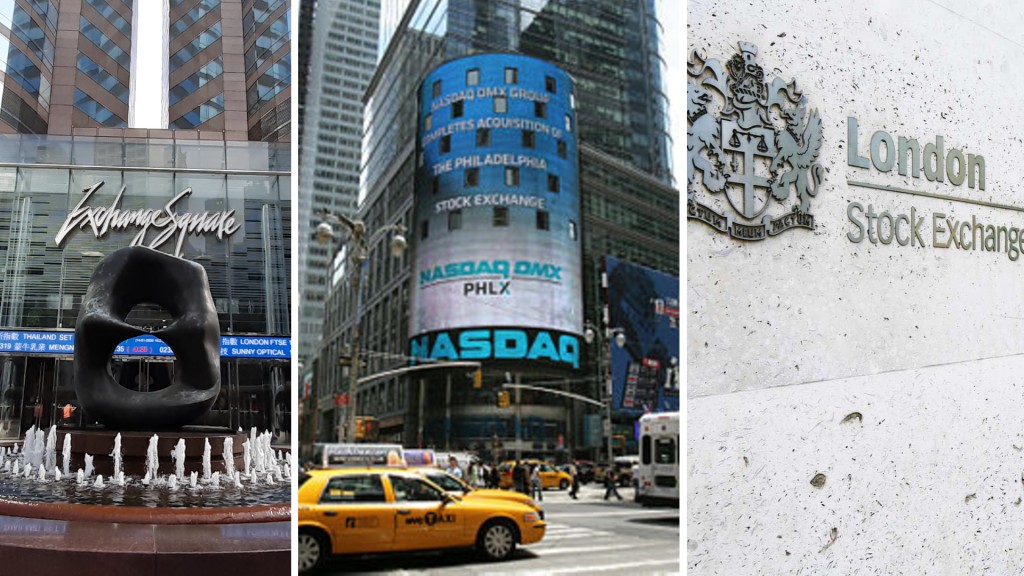
Nasdaq plans to introduce 24-hour trading five days a week by the second half of 2026. Similarly, the London Stock Exchange is considering extended hours to accommodate growing demand from retail investors trading via smartphones. With its status as a global financial hub, Hong Kong must act quickly to ensure it remains competitive in this evolving landscape.
Online brokerage platforms like the US-based Robinhood already offer 24-hour trading for popular stocks.
For younger, tech-savvy generations, round-the-clock trading is already the norm, as they are accustomed to trading cryptocurrencies like bitcoin and ethereum 24/7.
Without adapting to these changing expectations, traditional exchanges risk becoming irrelevant or losing market share to emerging platforms that provide 24/7 access.
Despite the momentum, no major stock exchange has yet implemented 24-hour trading, and debates continue about its pros and cons.
What are the benefits?
Extended trading hours offer clear advantages, including:
- Increased convenience: Investors can trade anytime, transcending time zones;
- Faster market response: Markets can react promptly to breaking news and events;
- Higher trading volumes: Extended hours could attract more activity, particularly from international investors; and
- Broader participation: Cross-regional trading could boost market liquidity.
What about the challenges?
However, 24-hour trading also presents challenges.
Operational costs for exchanges, financial institutions, and regulators would rise significantly, requiring more staff to support round-the-clock operations.
Additionally, system maintenance windows would shrink, making updates more complex.
Thin liquidity during off-peak hours could also make markets vulnerable to price manipulation by institutional players, putting retail investors at a disadvantage.
While 24-hour trading may appear to offer convenience, the risks for retail investors could outweigh the benefits if safeguards are not in place.
Why Hong Kong must act
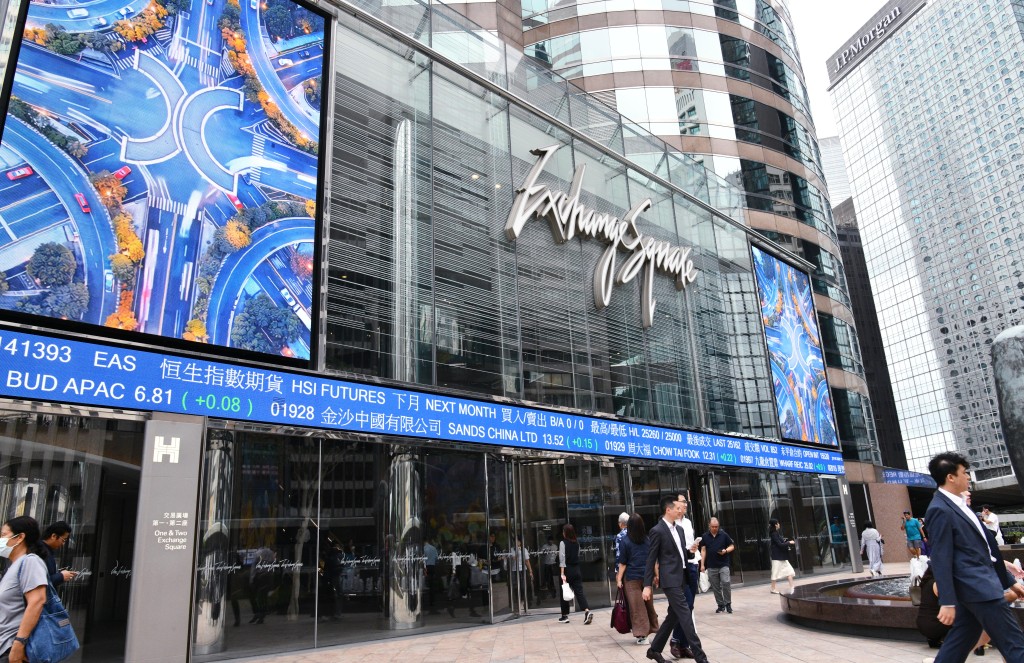
Despite these challenges, extended trading hours are an inevitable trend in global finance. Currently, Hong Kong’s trading hours are only five-and-a-half hours a day, significantly shorter than the NYSE, Nasdaq and LSE.
To stay competitive, Hong Kong must adapt to meet the demands of global investors. Following the introduction of severe weather trading, the government, Securities and Futures Commission and Hong Kong Exchanges and Clearing should prioritize studying 24-hour trading.
By embracing extended trading hours, Hong Kong can solidify its position as a financial powerhouse, attract international investors and ensure its relevance in an increasingly digital and time-sensitive trading environment.