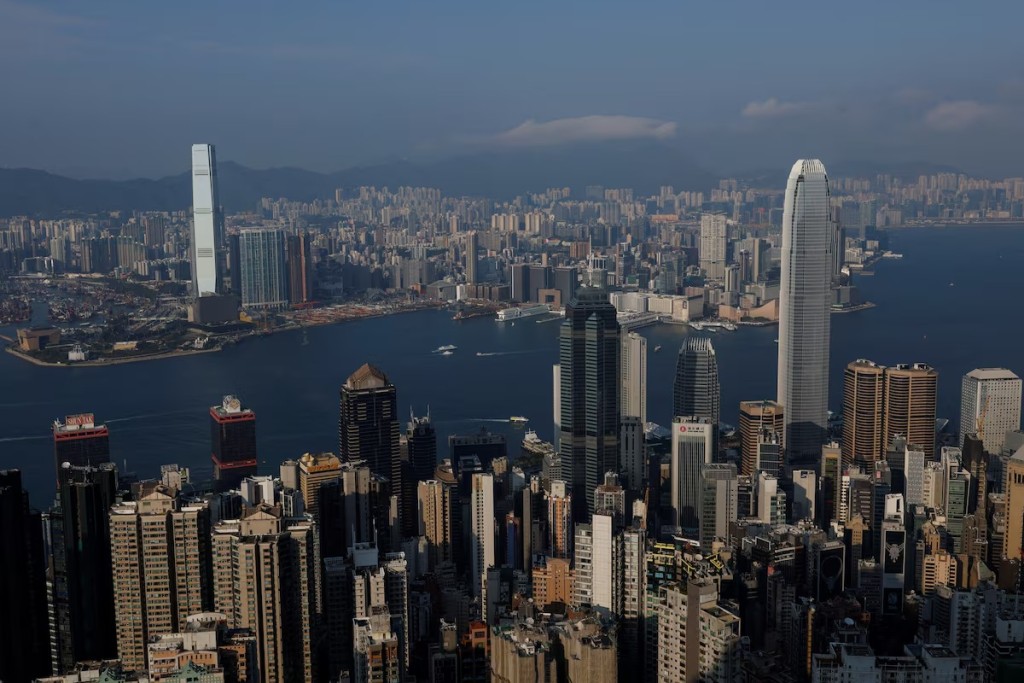
Hong Kong has made impressive progress in attracting overseas and mainland firms, as well as global talent, through various initiatives.
With over 1.5 million registered local companies and a record 15,000 non-Hong Kong companies, the city has seen billions in investment and thousands of new job opportunities.
Talent schemes have also brought over 200,000 individuals and their families to Hong Kong.
While these achievements are commendable, critical questions remain: Is Hong Kong doing enough to retain this talent and these businesses? Can the city provide the environment needed for long-term growth and prosperity?
A good start, but what happens next?
Government’s initiatives such as the Office for Attracting Strategic Enterprises have targeted companies in sectors like fintech, life and health technology, smart big data, and advanced manufacturing, and Hong Kong Talent Engage has also expanded its reach to overseas markets such as Malaysia and Germany.
However, there appears to be little follow-up after the initial announcements. Leung Chun-ying, vice chairman of the Chinese People’s Political Consultative Conference, has noted that private residential occupancy rates in Hong Kong have barely changed over the past five years.
This suggests that many of the so-called mainland “new talent” are obtaining Hong Kong ID cards but not actually settling in the city.
The same issue could apply to overseas professionals: while they may come for work, are they staying for the long term?
Workforce and quality of life
To truly benefit from the influx of talent and businesses, Hong Kong must address two key challenges: workforce alignment and quality of life.
And while importing workers addresses immediate gaps, fostering local talent through education and skill-building is essential for sustainable growth.
Hong Kong’s universities have a rising number of non-local students, but the city must do more to retain these graduates. Affordable housing, quality education for children, cultural lives, and work-life balance are critical. Without these, even the most attractive financial incentives may fail to keep talent and their families in Hong Kong.
Singapore integrates imported labor and talent into its development plans, regulating labor across multiple sectors while maintaining a high standard of living and a forward-looking vision.
Hong Kong can adopt similar principles, ensuring that short-term measures to attract talent are balanced with long-term policies to retain them. Policymakers must ensure that welfare entitlements for new arrivals are managed sustainably to maintain fairness while supporting growth.
In addition, Hong Kong’s universities must play a crucial role in ensuring that graduates see Hong Kong as a place where they can thrive.
Moreover, policies should encourage professionals to form families in the city, which requires addressing housing, education, and cultural life.
While Hong Kong has succeeded in attracting global talent and businesses, retention is the real challenge. The city must invest in creating a sustainable ecosystem where professionals and companies choose to stay, grow and contribute.