The closure of businesses, particularly in the retail and restaurant sectors, is an unavoidable aspect of any economic transition.
While this may raise concerns, it is essential to recognize that such trends are part of a broader global phenomenon.
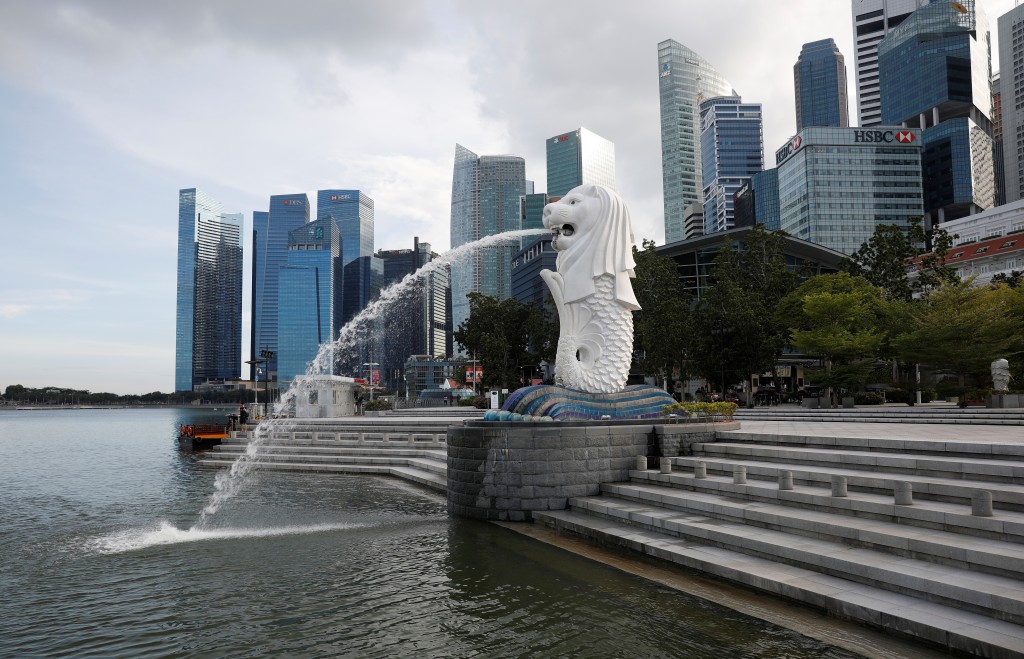
As Singapore Consul General Ong Siew Gay aptly observed, Hong Kong and Singapore have the flexibility to adapt and rebound stronger.
Despite current challenges, Hong Kong remains better positioned than many of its regional counterparts, including the other Asian Dragons – Singapore, Taiwan and South Korea.
Business closures are often perceived as indicators of economic weakness, but they should not be viewed in isolation. While Hong Kong saw around 200 restaurant closures in the first half of 2025, Singapore, Taiwan and South Korea face even greater challenges. High operational costs in cities like Hong Kong and Singapore mean that only businesses with strong performance and cost control can thrive. However, closures also allow for the emergence of stronger, more innovative companies.
Factors driving closures in the city
The rapid rise of artificial intelligence and advanced technologies has transformed industries, including retail and dining. Businesses that fail to adapt face an uphill battle for survival.
Global inflation has driven up the cost of raw materials, labor and rents. These rising costs have strained profit margins and challenged businesses.
During the Covid-19 pandemic, government subsidies and loan guarantee schemes provided temporary relief to struggling companies.
As these supports phase out, businesses that relied on them are now facing the reality of market competition.
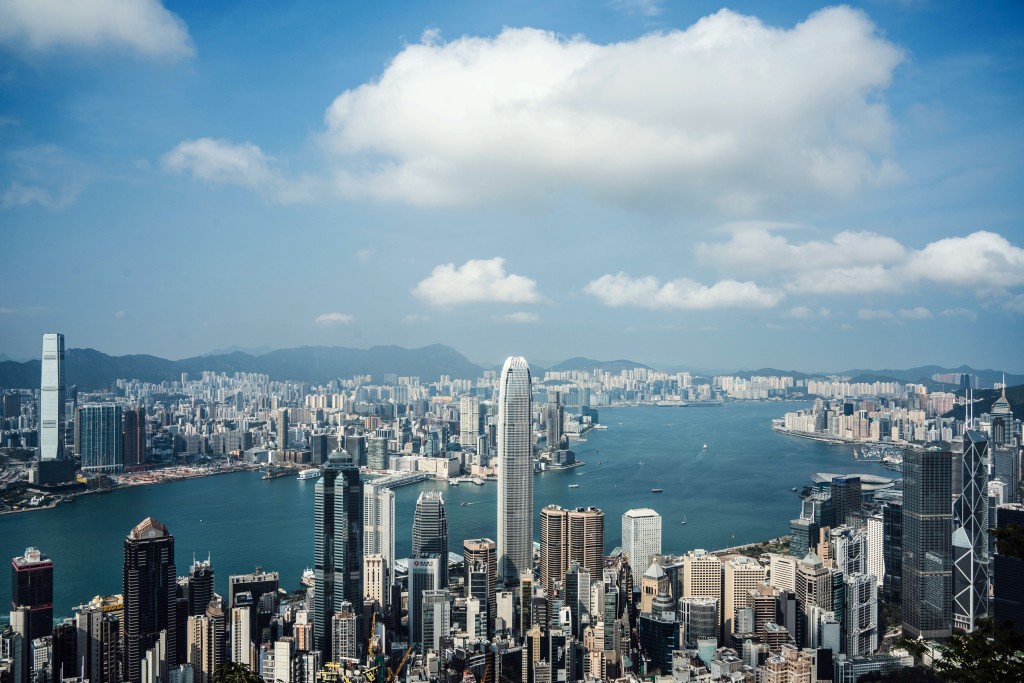
Despite these challenges, Hong Kong demonstrates remarkable resilience. The city continues to attract foreign investments and businesses, illustrating its enduring appeal as a global business destination.
Growth, opportunities amid challenges
In the first half of 2025, Invest Hong Kong facilitated the establishment of 1,301 foreign companies, bringing in HK$168.4 billion in investment – far exceeding the target of 1,130 companies and HK$77 billion.
Moreover, data from the Companies Registry reveals record growth in business registrations.
By mid-2025, local company registrations surpassed 1.4 million, significantly outpacing Singapore. Non-local companies registered in Hong Kong exceeded 15,000, reaffirming the city’s role as a key global business hub. Notably, over 84,000 new local companies were established in the first half of 2025, a 26 percent increase compared to the same period in 2024.
Economic transitions, while challenging, offer opportunities for renewal and growth. The closure of underperforming businesses allows for the emergence of more innovative, efficient, and competitive enterprises. Cities like Hong Kong and Singapore thrive on adaptability, and their ability to embrace change positions them for long-term success.
Hong Kong’s strategic location, robust infrastructure, skilled workforce and pro-business environment remain key advantages.
While concerns about business closures are understandable, there is no need for pessimism. Hong Kong’s economic resilience and adaptability highlight its ability to weather challenges and seize opportunities.
The city’s strong performance in attracting foreign investments and record-breaking business registrations demonstrates its ongoing vitality and global appeal.
Rather than signaling decline, economic transitions reflect Hong Kong’s dynamic nature.