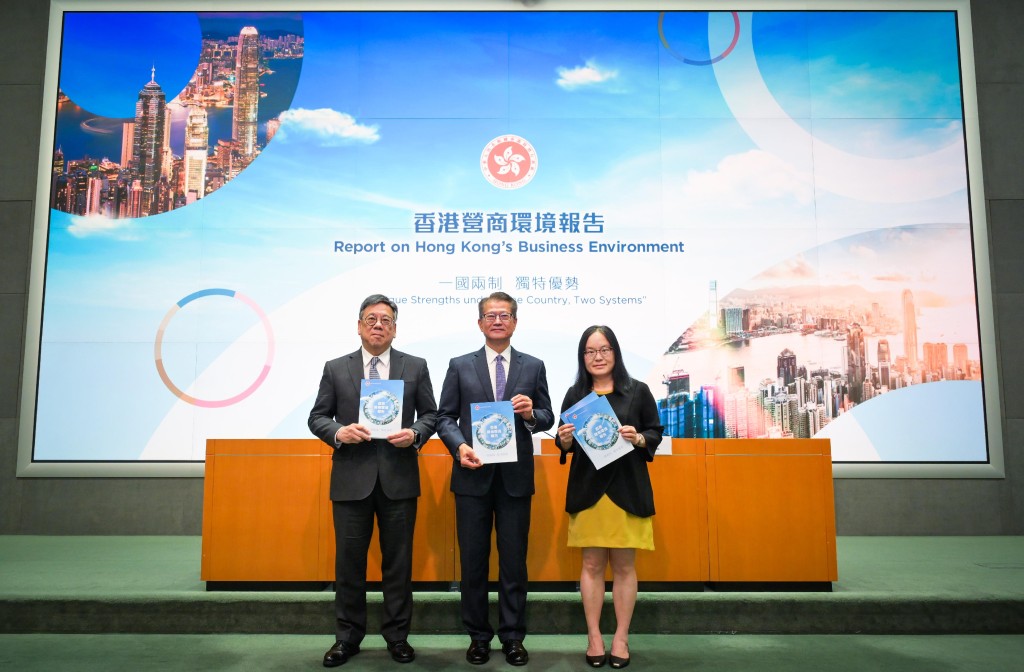
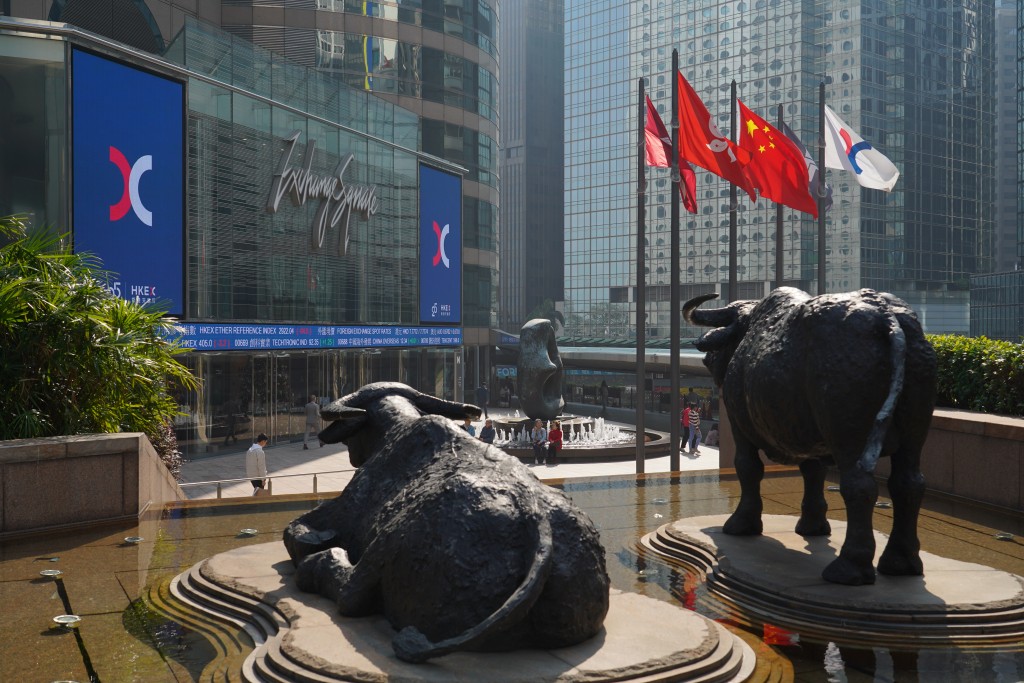
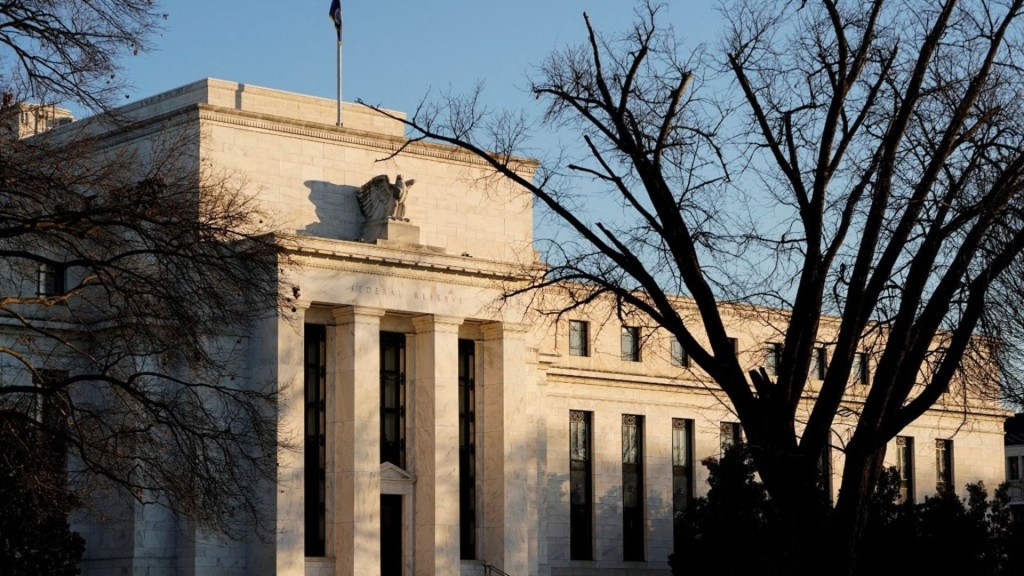
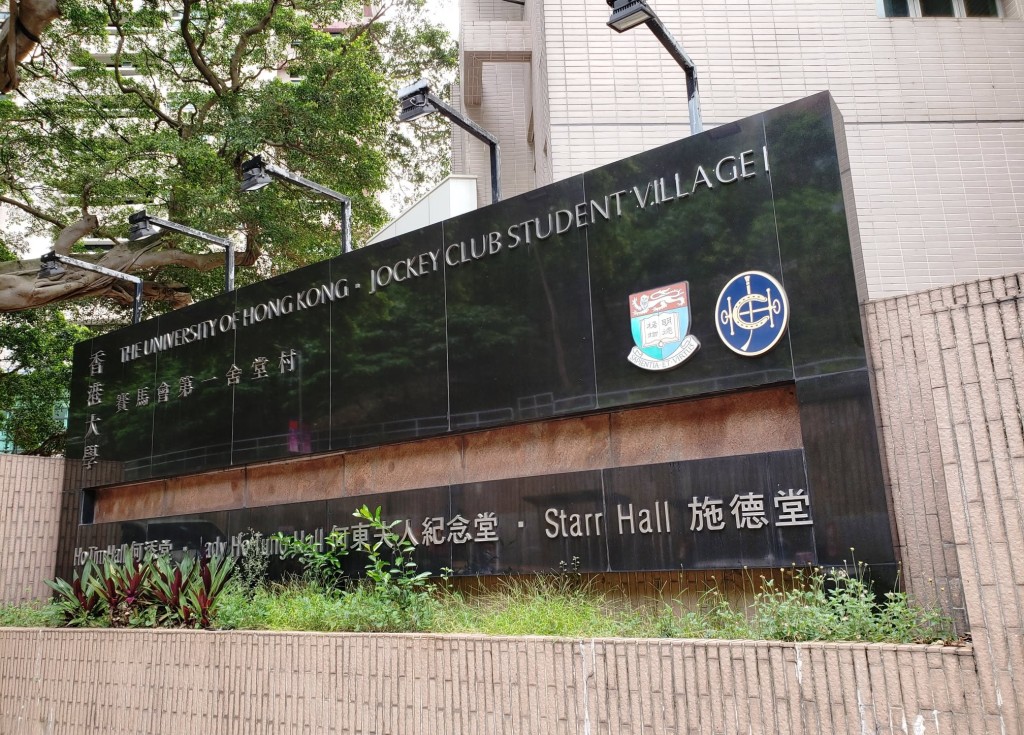
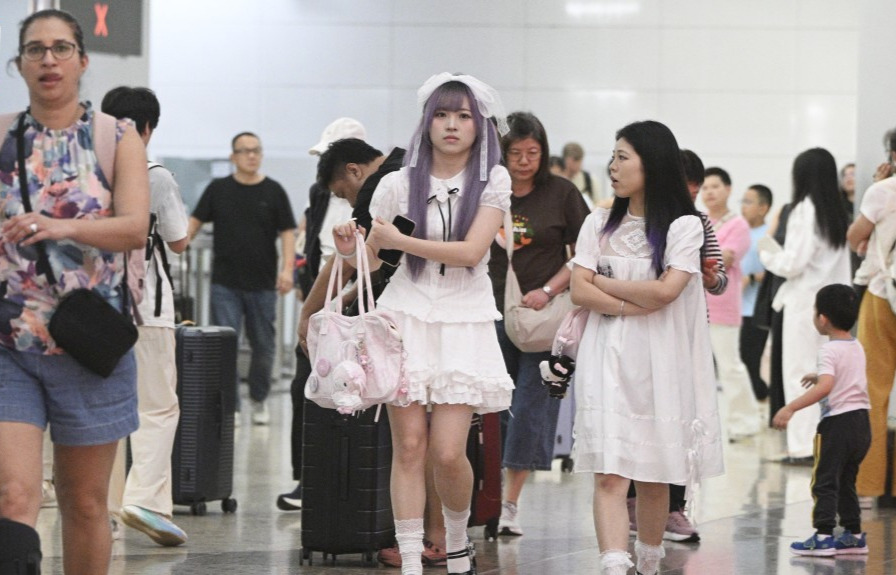
Hong Kong government’s “Report on Hong Kong’s Business Environment: Unique Strengths under ‘One Country, Two Systems” – released a day before US President Donald Trump’s “reciprocal tariffs” deadline was expected to end – is a timely move to attract investors by showcasing the city’s resilience and adaptability despite global tariff uncertainties.
From the start of the tariff war, Hong Kong’s unique position as an independent World Trade Organization member has been emphasized.
Unlike China, Hong Kong operates as a free port with zero tariffs, exempting it from Trump’s reciprocal tariff policies. This distinction provides Hong Kong with a competitive edge, though some voices have sought to blur this reality.
However, foreign investors, including those from the United States, recognize Hong Kong’s strengths. The continuous inflow of investment underscores the global business community’s confidence in Hong Kong’s simple tax system, free market, and robust financial infrastructure.
The report shows that 75 percent of businesses surveyed by the American Chamber of Commerce in Hong Kong believe the city is the most competitive international business hub in Asia, while 79 percent have no intention of relocating their headquarters. This reflects their optimism about Hong Kong’s future, even amid challenging global economic conditions.
Facts speak for themselves
Among the 9,960 foreign companies with offices in Hong Kong, US companies rank third in number. From 2022 to 2024, the number of US companies in Hong Kong grew by 10.5 percent, reaching 1,390 – a growth rate that aligns with the overall 11 percent increase in foreign companies operating in the city.
In addition, Hong Kong continues to attract family office operations. InvestHK has supported over 180 family offices in expanding their presence in Hong Kong, with another 150 in the pipeline. European and American firms rank second among those expanding their operations.
A gateway for global investors
The report highlights the city’s achievements across multiple dimensions, including local-global connectivity. As the European Chamber of Commerce in Hong Kong notes, the city serves as a critical gateway to mainland China, making it highly attractive to European investors.
Under the Belt and Road Initiative, Hong Kong has further solidified its status as a free port for foreign investors.
Hong Kong’s overall business growth is also remarkable. As of mid-2025, the number of registered local companies reached 1.5 million, while non-local firms totaled 15,509, both record highs. This represents an overall increase of 9.7 percent, significantly outpacing other advanced economies such as Switzerland (2.6 percent), Singapore (4 percent), and the U.S. (4.5 percent).
Hong Kong’s position as Asia’s largest asset management hub is another testament to its thriving environment. The city’s total assets under management grew by 13 percent to HK$35.1 trillion. This surpasses Singapore’s AUM of US$4.46 trillion (HK$34.79 trillion).
Globally, Hong Kong ranks second in cross-border wealth management, just behind Switzerland, and is projected to surpass it by 2027. By then, Hong Kong could manage US$3.1 trillion in wealth, far exceeding the US’s US$1.3 trillion.
As Asean’s second-largest trade partner, Hong Kong must leverage opportunities in Southeast Asia and the Belt and Road Initiative, continue to turn the risks posed by US tariffs into opportunities, attract more foreign capital, and further strengthen its position as a global economic powerhouse.