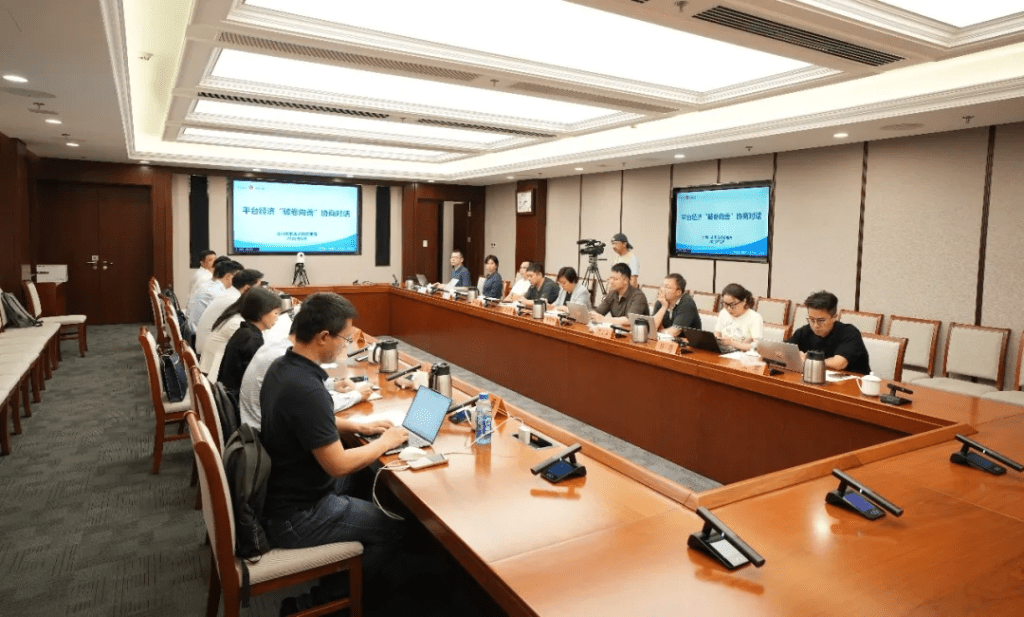
Involution, characterized by destructive competition is a pressing issue for the Chinese government. This phenomenon, seen in industries like electric vehicles and food delivery, reflects the dangers of unsustainable price wars.
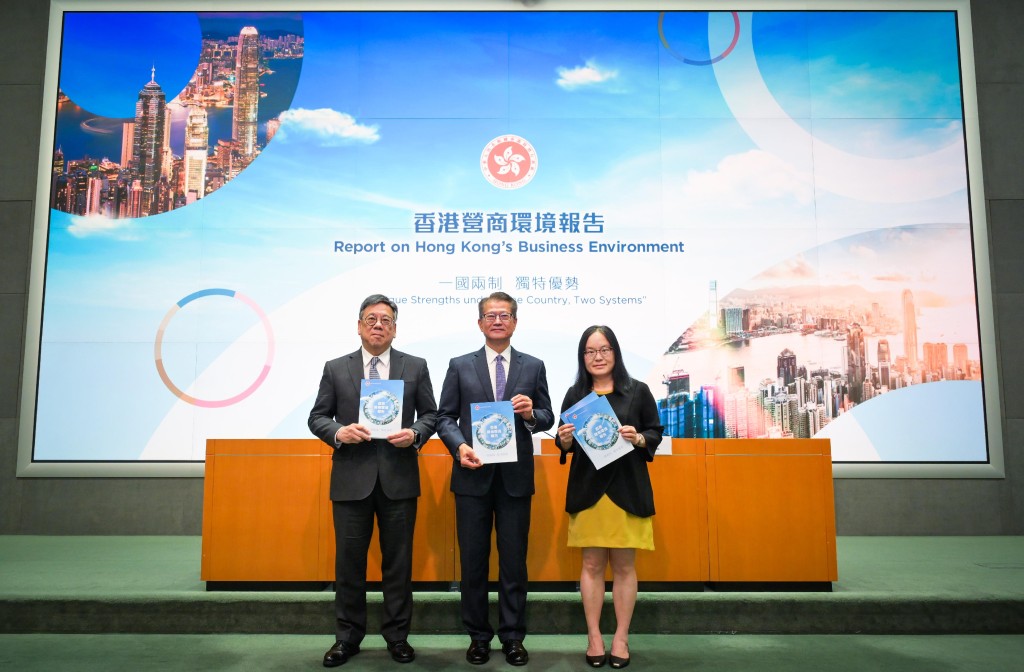
To overcome this, Chinese firms must expand their markets by focusing on quality and internationalization. Hong Kong, with its global reputation and professional services, is uniquely positioned to act as a springboard for mainland companies to reach overseas markets.
The problem with involution
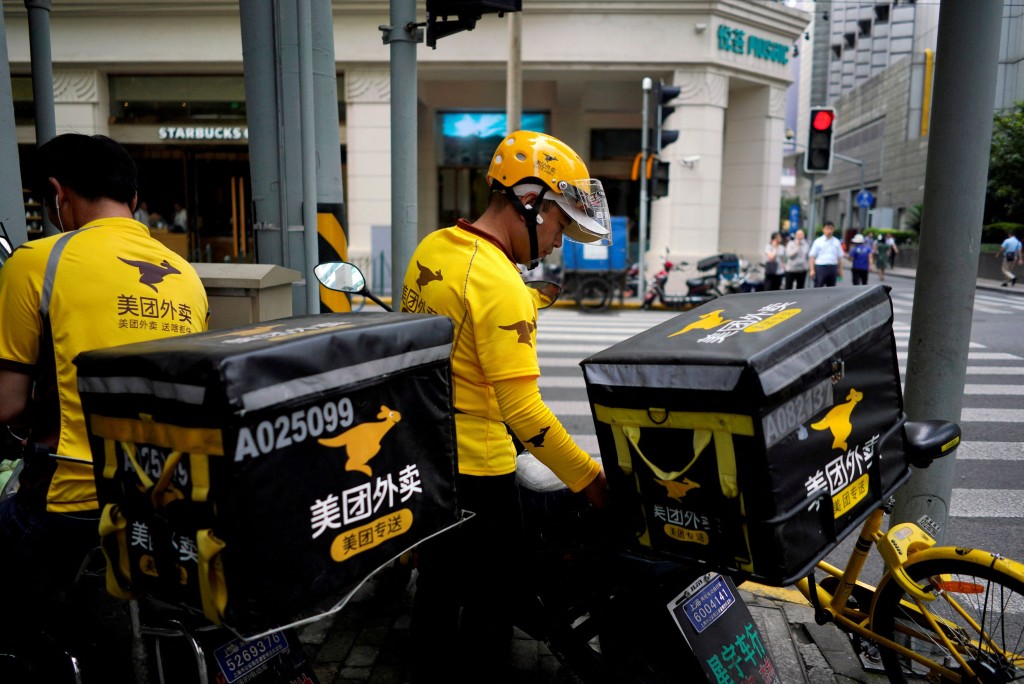
Involution creates a race to the bottom. In China, this issue has surfaced in sectors such as food delivery and EV makers. Companies like JD.com, Meituan and Alibaba have engaged in extreme price wars, with free milk tea offered to outcompete rivals.
The effects of involution are reflected in economic data. As of June, the Producer Price Index, which tracks upstream inflationary pressures, has recorded year-on-year declines for the 33rd consecutive month.
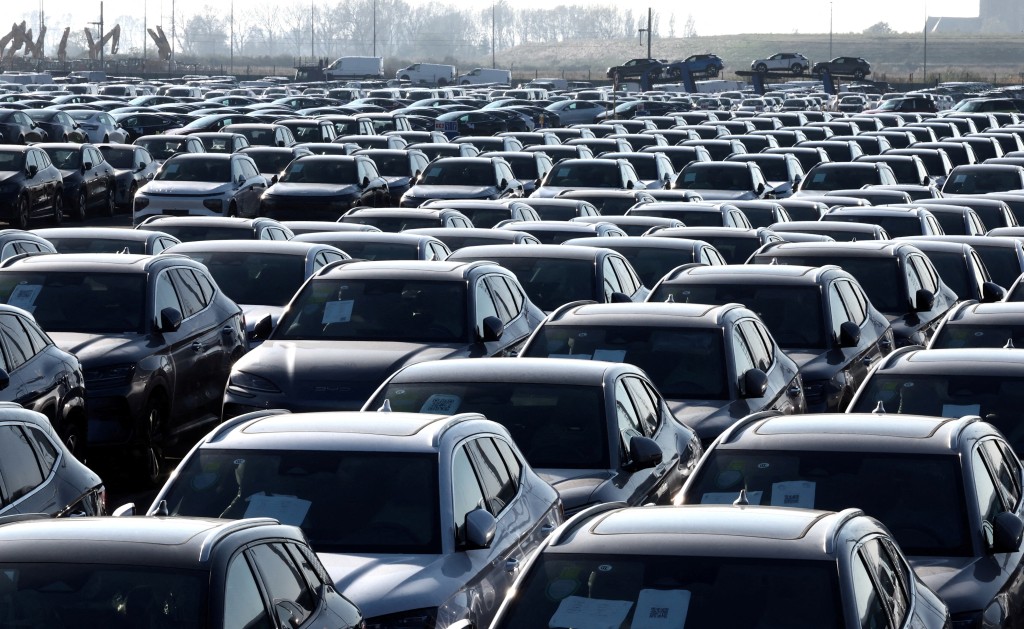
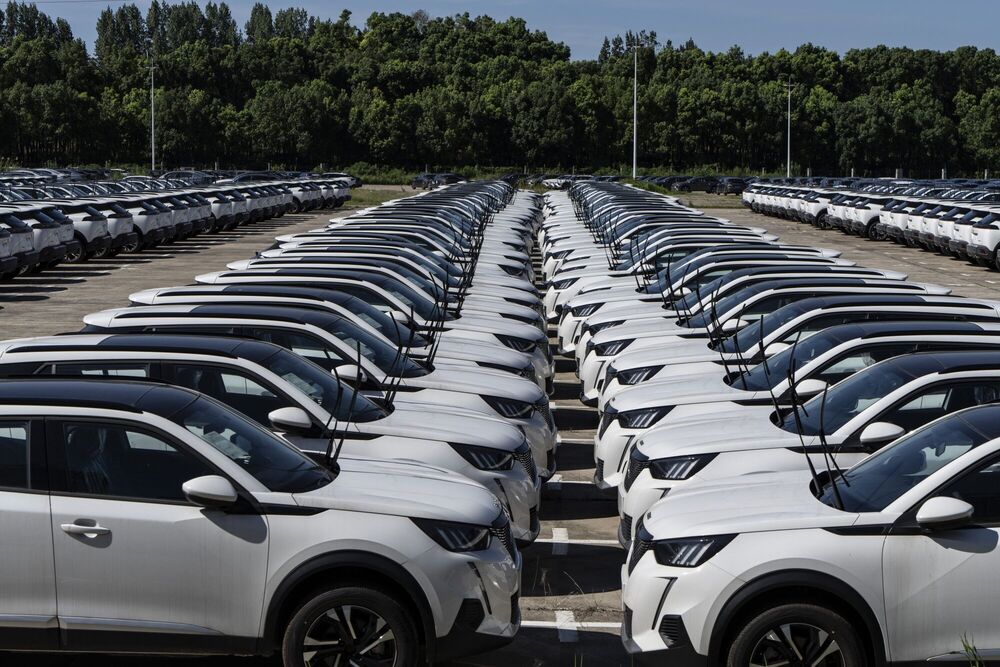
Industrial capacity utilization rates have also fallen, dropping to 75.1 percent in the first quarter of this year, with automobile manufacturing even lower at 71.9 percent. Industries such as photovoltaics, steel and cement, too, suffer from excess capacity.
However, not all competition is negative. Chinese EVs and solar panels offer high-quality products at competitive prices. These exports, which also contribute to climate change mitigation, demonstrate that quality-driven competition can break the cycle of involution.
HK as a springboard
Some critics argue that mainland companies entering Hong Kong could bring involution to the city. Mainland firms like Meituan’s KeeTa and JD’s acquisition of Kai Bo Food Supermarket have raised concerns about local businesses being pushed out. However, these fears are largely unfounded.
First, the arrival of mainland companies does not necessarily lead to the closure of local businesses. Instead, it can diversify the market.
For instance, mainland eateries have introduced unique cuisines such as Shaanxi dishes, enriching Hong Kong’s food culture.
Second, mainland companies view Hong Kong as an international platform to gain global exposure. Hong Kong’s professional branding, marketing and logistics services can help mainland firms package and promote their products for overseas markets.
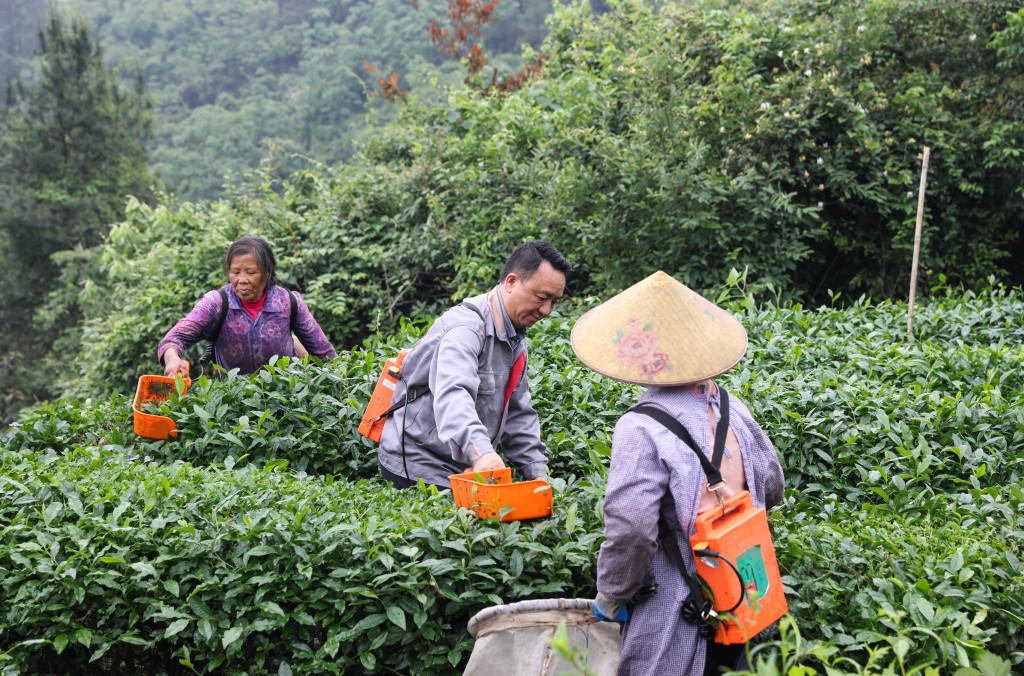
Many high-quality Chinese goods, from premium teas to rare delicacies and traditional handicrafts, remain underrepresented globally.
With Hong Kong’s expertise, these products can reach discerning international customers.
To succeed globally, Chinese firms must prioritize quality over price wars. By leveraging Hong Kong’s connections, they can tap into international markets and compete on innovation, craftsmanship and functionality rather than price alone.
Hong Kong also benefits from this collaboration. The influx of mainland businesses brings economic vitality and cultural diversity to the city. In turn, Hong Kong’s established infrastructure and professional expertise help these companies thrive internationally, creating a mutually beneficial relationship.
Breaking free from involution requires a focus on quality, innovation, and global expansion. Hong Kong’s role as a trusted international gateway is crucial in this process, offering mainland companies the tools to succeed on the world stage.
By embracing Hong Kong’s strengths, Chinese companies can shift away from destructive price wars and focus on producing high-quality goods that meet the demands of global consumers.
With proper collaboration, both Hong Kong and mainland China can thrive, fostering sustainable growth and enriching the international market with high-quality Chinese products.