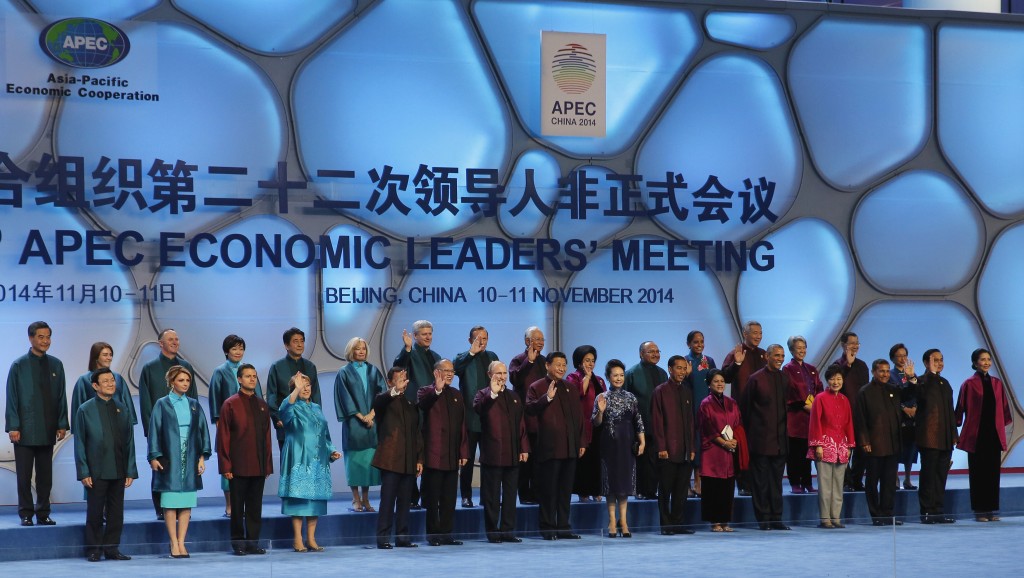
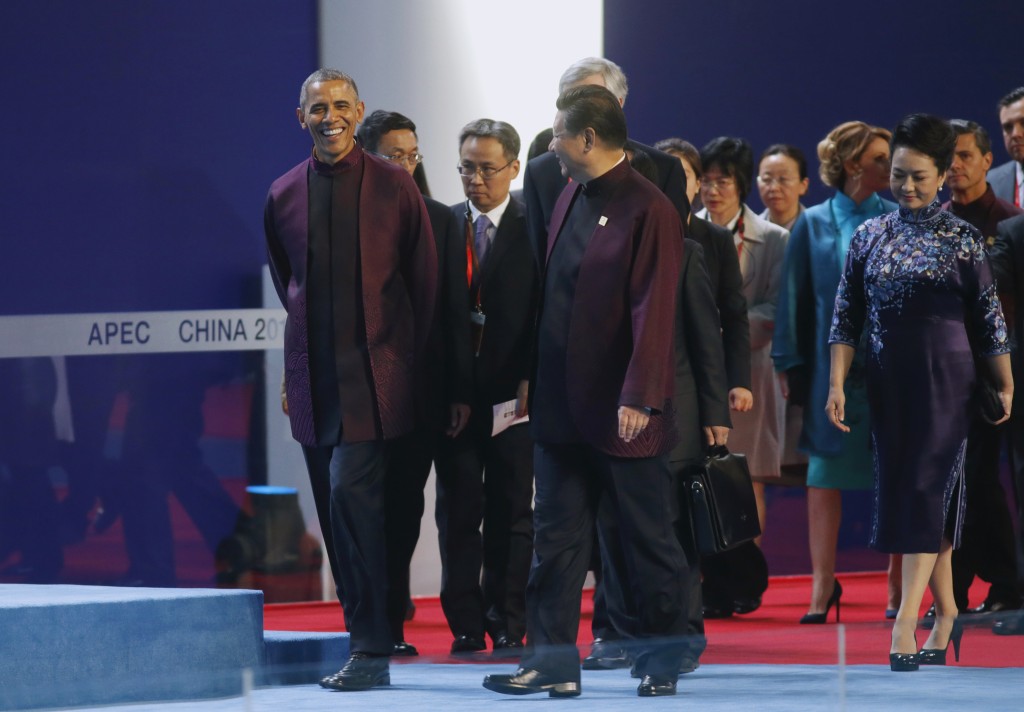
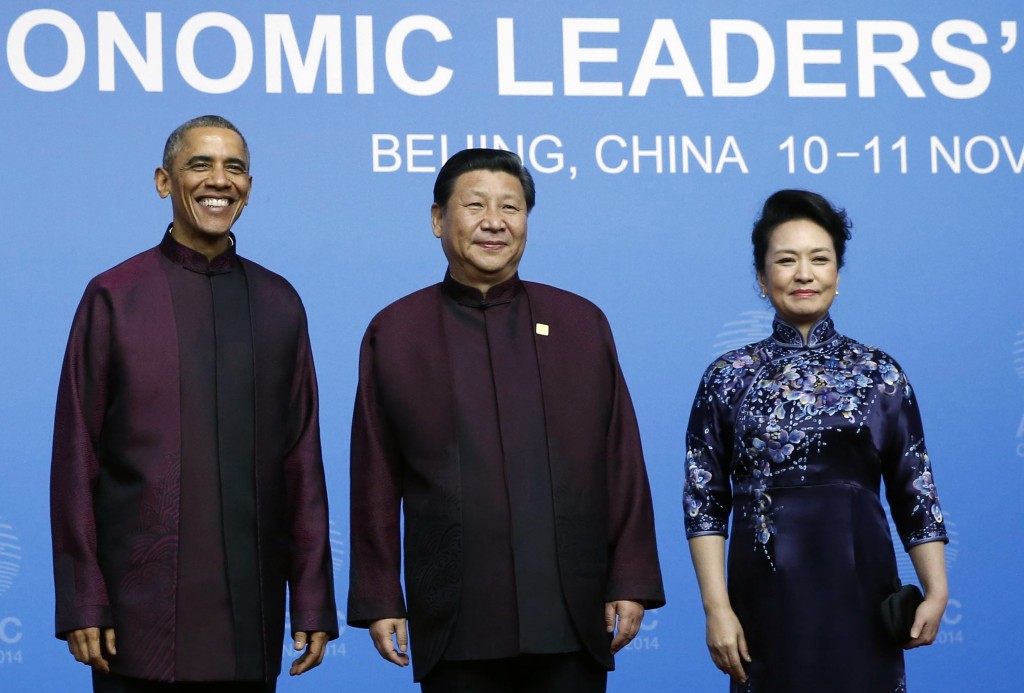
While the APEC Economic Leaders’ Meeting is traditionally an arena for high-stakes trade diplomacy, off-agenda cultural exchanges have long commanded global attention through the symbolic group photo, where participating leaders don traditional attire provided by the host country.
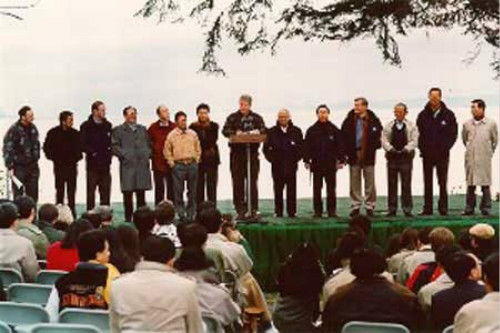
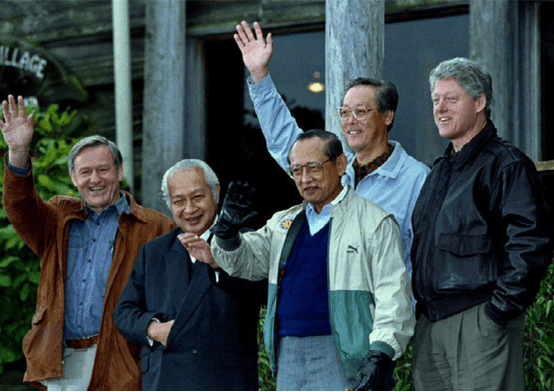
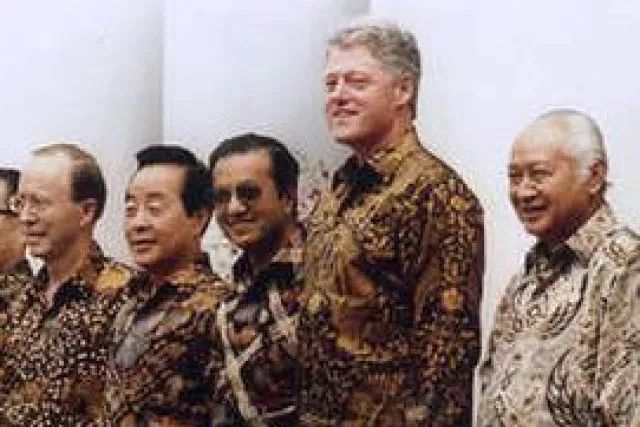
The practice dates to the first APEC leaders’ meeting, held in Seattle in 1993. Then-US President Bill Clinton wore denim and presented leather jackets to visiting leaders. The following year, Indonesian President Haji Mohammad Suharto arranged for leaders to wear traditional batik shirts at the meeting in Bogor, establishing a custom of highlighting the host economy’s heritage.
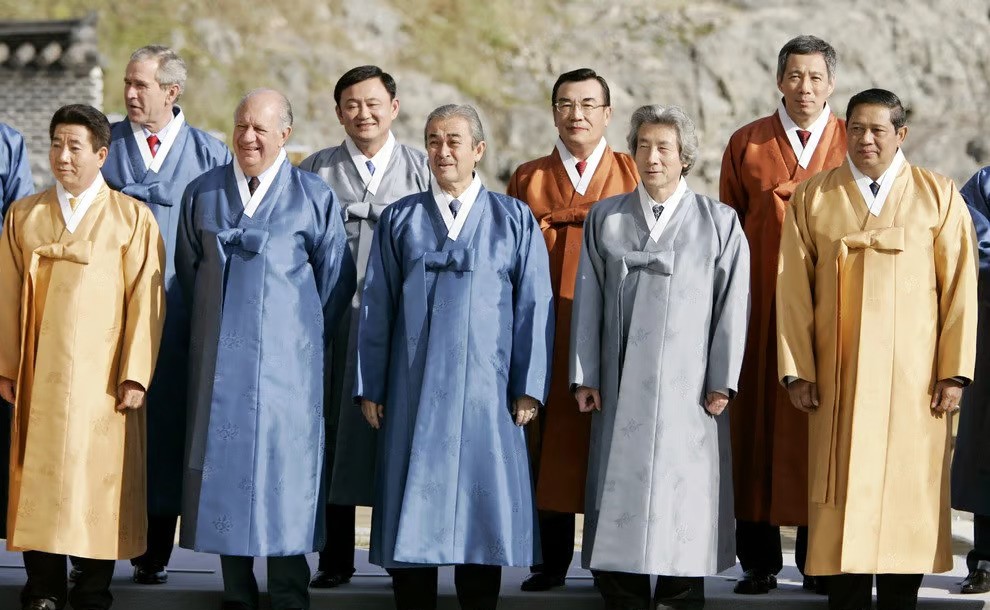
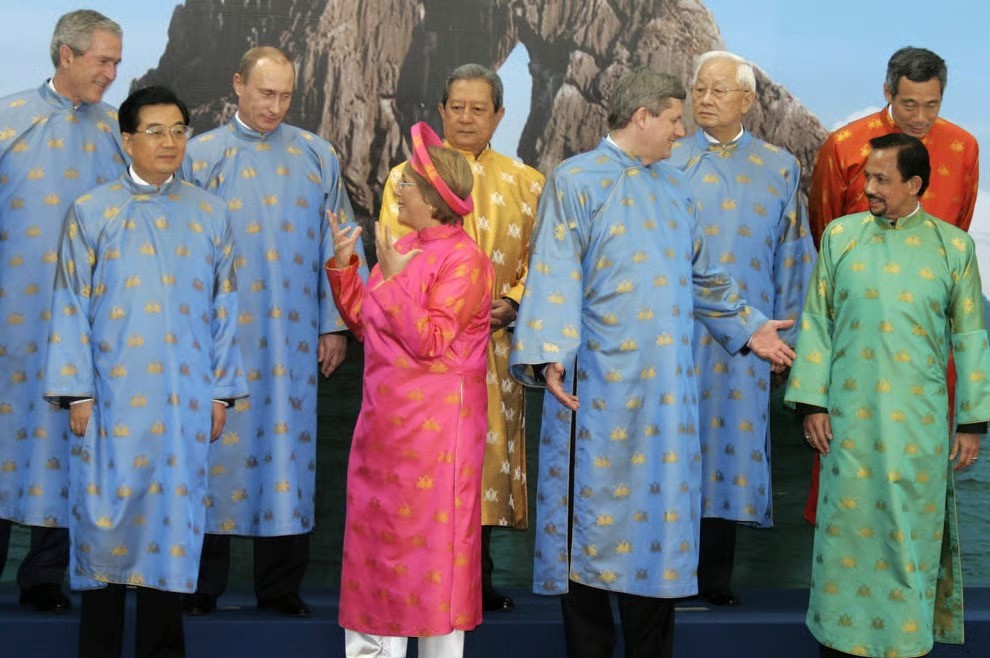
Later hosts selected garments reflecting their own traditions. Leaders wore white guayabera shirts in Los Cabos, Mexico, in 2002; durumagi overcoats in Busan, South Korea, in 2005; and silk ao dai in Hanoi, Vietnam, in 2006.
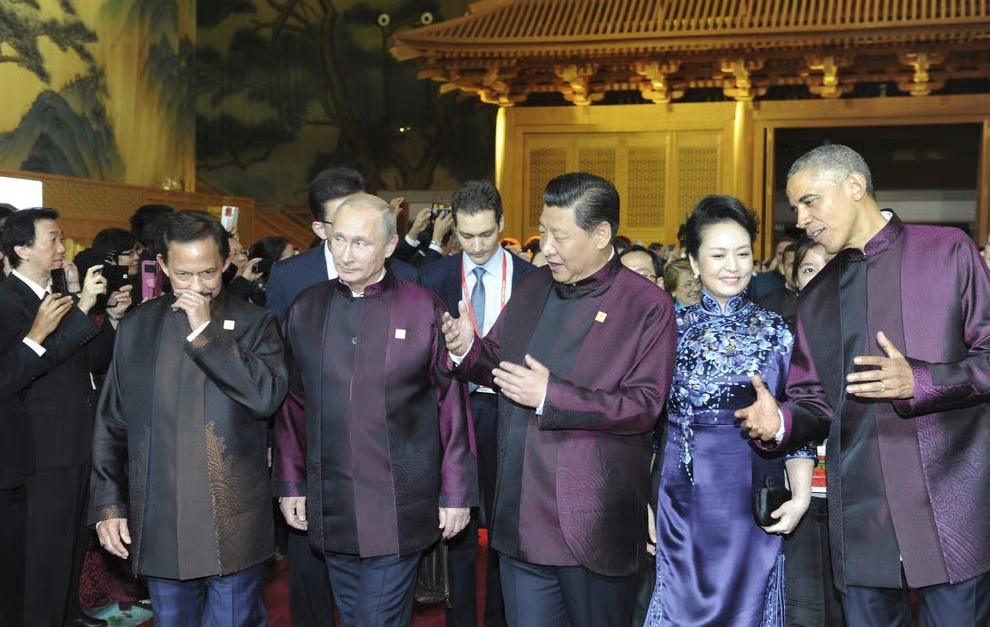
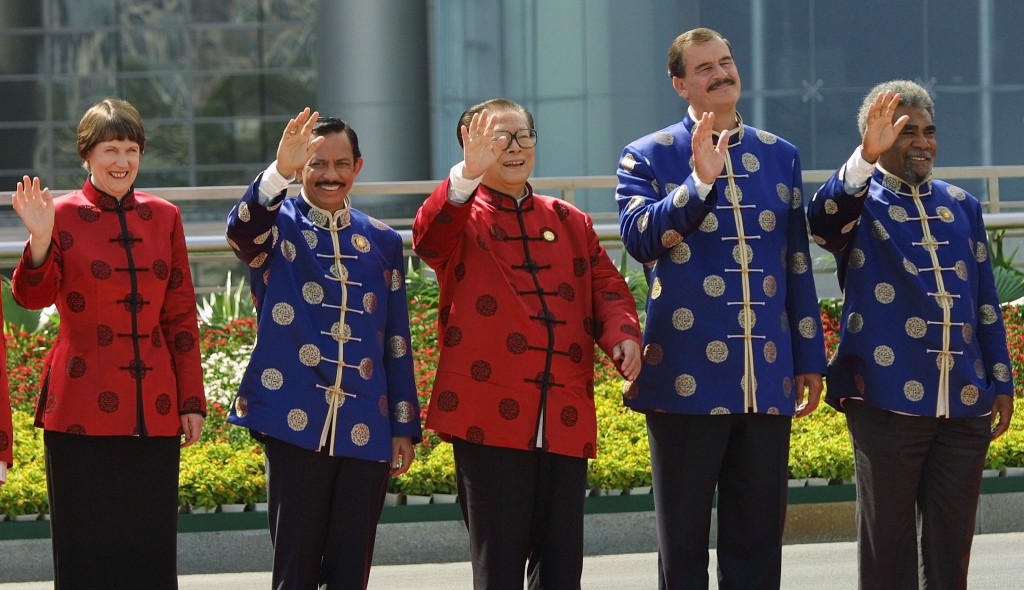
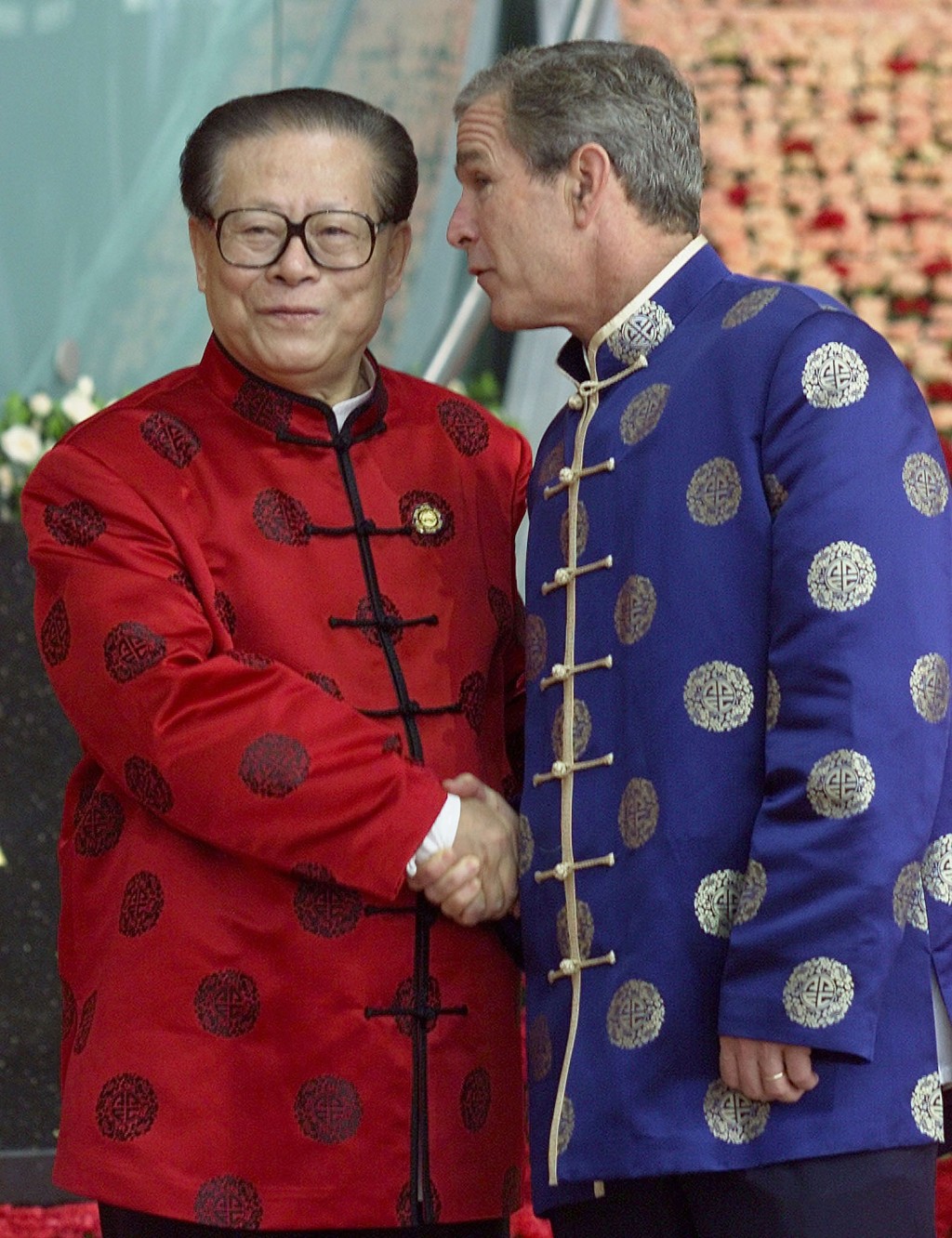
China has hosted the meeting twice, in Shanghai in 2001 and Beijing in 2014. In Shanghai, leaders wore modified Tang suits—Chinese-style, front-opening jackets made of floral brocade in a range of colors. The group photograph helped boost the suits’ popularity in China and overseas.
For the 2014 meeting in Beijing, the garments were made from Song brocade, a traditional silk-weaving craft recognized as intangible cultural heritage. According to People’s Daily Online, the packaging featured auspicious cloud patterns on handmade paper and single-loop frog buttons. Seawater, river, and cliff motifs on the clothing were intended to convey a message of economies connected by shared landscapes and mutual support.
In recent years, however, the tradition has come under greater scrutiny.
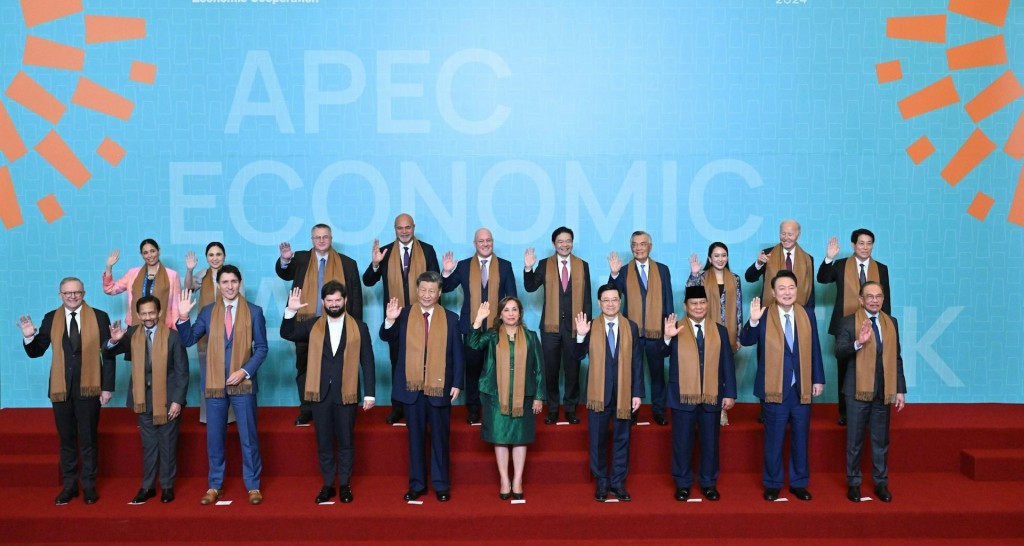
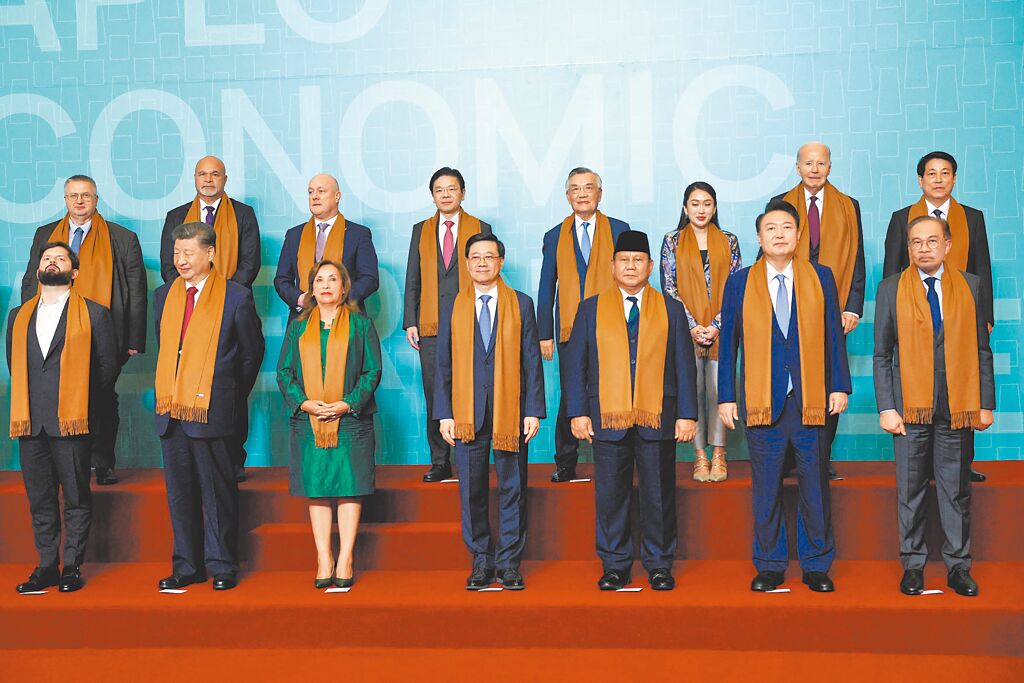
Some critics have dismissed the outfits as performative, while others have noted that leaders can appear uncomfortable in unfamiliar clothing. As a result, some hosts have replaced the full traditional-dress photo with simpler gestures, such as locally inspired scarves—or have opted for standard business attire.
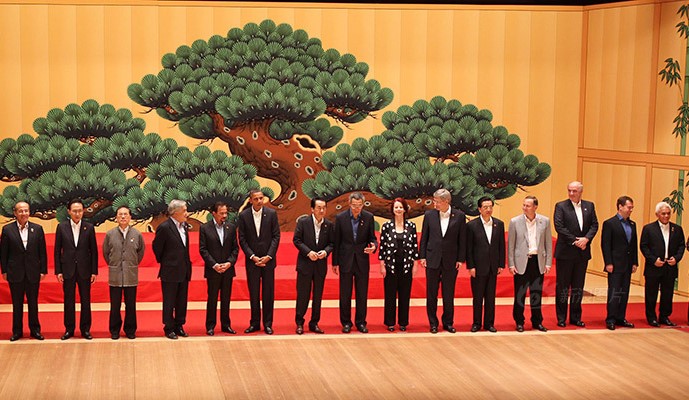
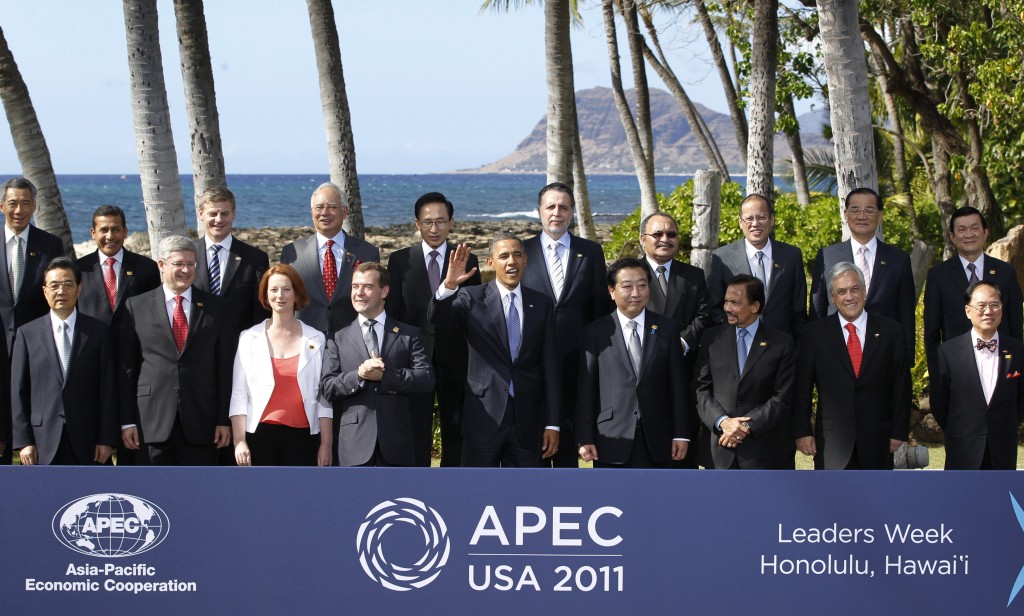
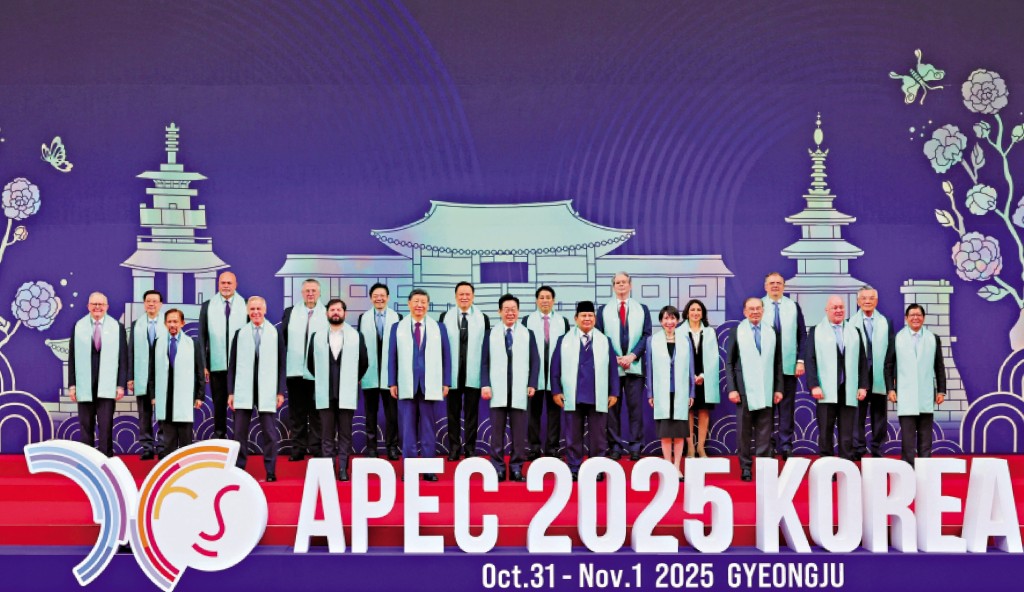
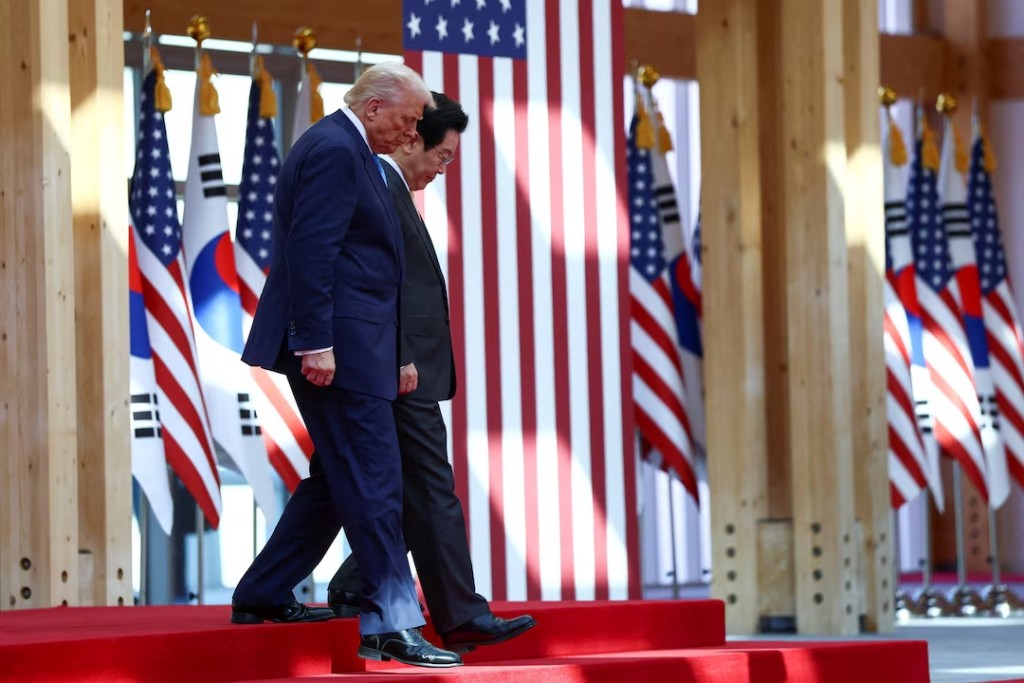
The traditional-dress segment was set aside in favor of formal suits at meetings in Yokohama in 2010, Honolulu in 2011, Vladivostok in 2012 and San Francisco in 2023. More recent gatherings in Peru in 2024 as well as in South Korea in 2025 took a more streamlined approach, with leaders wearing locally inspired scarves.