Read More



TSMC files lawsuit against former executive on security concerns
25-11-2025 18:27 HKT

Taiwan prosecutors investigate ex-TSMC executive on chip security concerns
20-11-2025 16:44 HKT











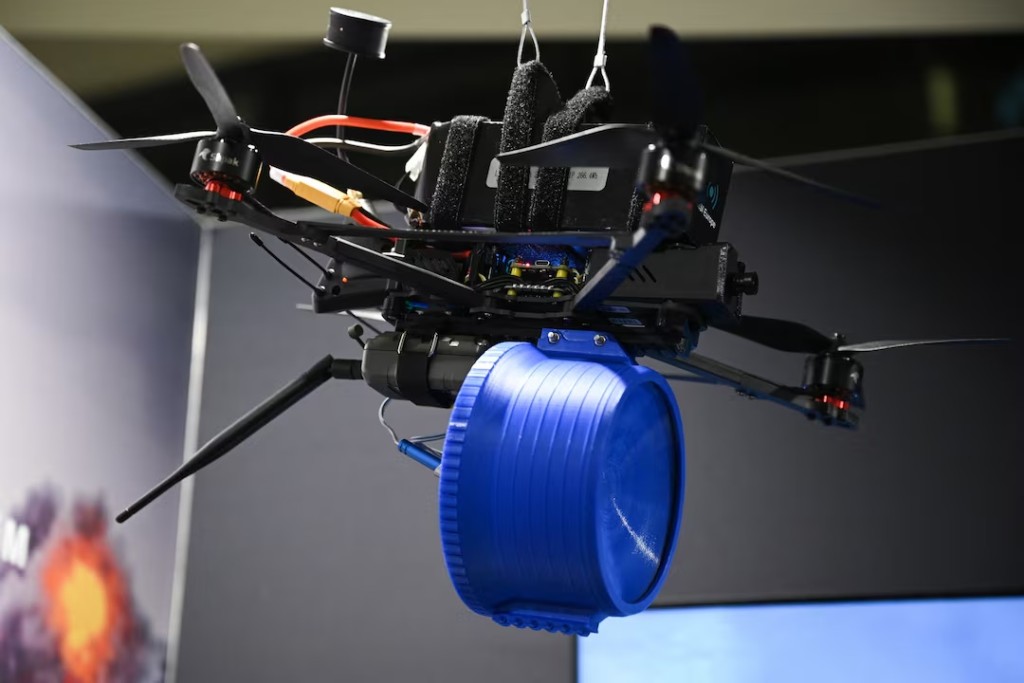
Germany's military will no longer use Chinese-made drones, a defence ministry spokesperson said on Wednesday, amid mounting concern among Western militaries that they could pose a security risk and be used to transmit sensitive information to Beijing.
Drones from Chinese manufacturers had previously been permitted as a cost-effective option for target practice and training purposes, the spokesperson said. They will now be replaced with European products.
"To strengthen the Bundeswehr's self-sufficiency and technological sovereignty, Chinese-made models will no longer be used," the spokesperson said in an emailed statement.
There is no blanket ban on the use of systems from specific countries, the spokesperson said, adding the decision is based on individual risk assessments aimed at safeguarding military security, IT and data security.
Germany's Der Spiegel news outlet first reported the change.
Local commanders had been allowed to purchase the drones under a 2024 strategy that included a "white list" of approved systems, including several made by China-based DJI, the world's largest drone maker, Spiegel reported.
DJI has repeatedly said its drones do not pose a security risk and in May the company told US lawmakers that an independent review had found "no evidence of data transmission outside the United States".
The Chinese embassy in Berlin and China's commerce and foreign ministries did not immediately return requests for comment.
The US last month prohibited vehicles made by China's BYD on its air base on Japan's Okinawa island, and Poland in February banned Chinese-made vehicles from military facilities over concerns their sensors could be used to collect sensitive data.
The spokesperson said the German defence ministry had no general ban on vehicles from specific countries or manufacturers, but said sensors installed in modern vehicles are seen as potential security risks, and therefore access to sensitive military sites can be restricted where necessary.
Reuters