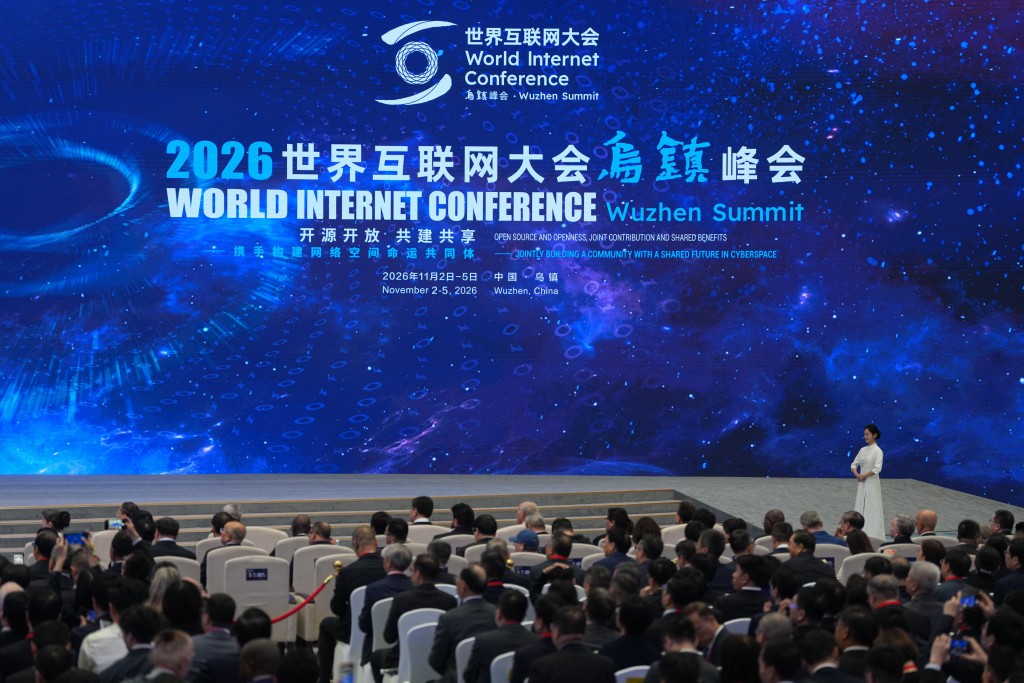
Chinese Premier Li Qiang called for a "people-centric" approach to artificial intelligence development and warned against a "digital iron curtain" at the opening of the 2026 World Internet Conference Wuzhen Summit on Tuesday.
Delivering the keynote speech in Zhejiang province, Li emphasized that the rapid integration of AI and the internet has sparked a systemic transformation, fundamentally reshaping economic and social development. He urged the international community to ensure humans remain in control of intelligent machines and that algorithmic models uphold shared ethical values.
"We must ensure that technology enhances human capabilities and well-being, rather than allowing people to become mere appendages of technology or letting technology exacerbate societal divides," Li said.
He also stressed China's commitment to open-source innovation and knowledge sharing, pledging support for the Global South to build digital infrastructure. Li reiterated Beijing's opposition to the construction of a "digital iron curtain" and called for a more equitable global internet governance system.
The premier's remarks aligned with the summit's core theme of open source and shared development. According to Xiang Ligang, director-general of the Information Consumption Alliance, the emphasis on open-source ecosystems highlights China's distinct path in the global AI race, contrasting with the closed-source models often favoured by major US tech firms.
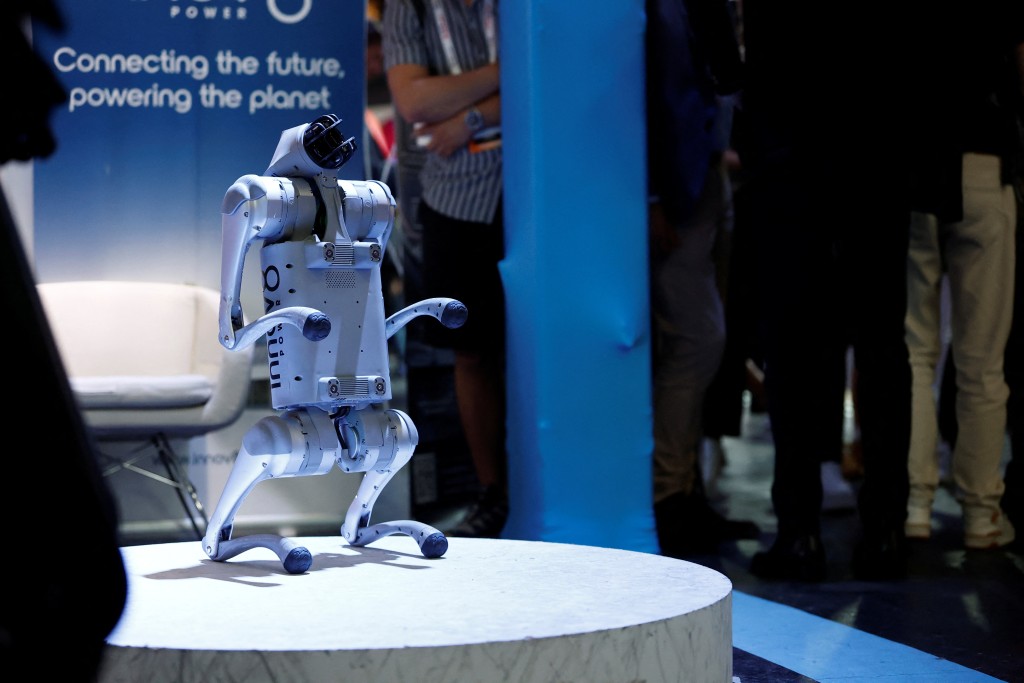
Meanwhile, the summit's "Light of Internet" Expo demonstrated how AI is rapidly moving from laboratory concepts to practical, everyday applications.
Featuring over 1,000 new technologies from 671 domestic and international enterprises, the expo highlighted autonomous robots performing physical tasks—ranging from manufacturing assembly and flexible garment sewing to providing commercial health services like pulse checking and AI-assisted moxibustion.
Cybersecurity also emerged as a critical focus at the event, with experts warning of the escalating threat of AI-driven cyberattacks. Security firm Qi An Xin noted that advanced AI models can now discover and weaponize network vulnerabilities in hours rather than months, prompting calls across the industry to "use AI to counter AI" by building integrated, dynamic defence systems.
Staff reporter