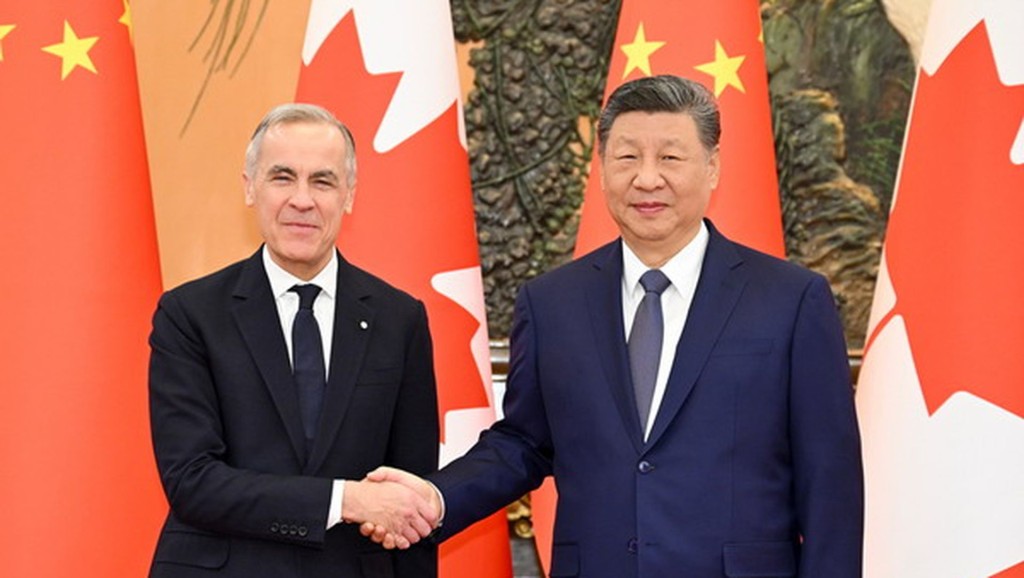
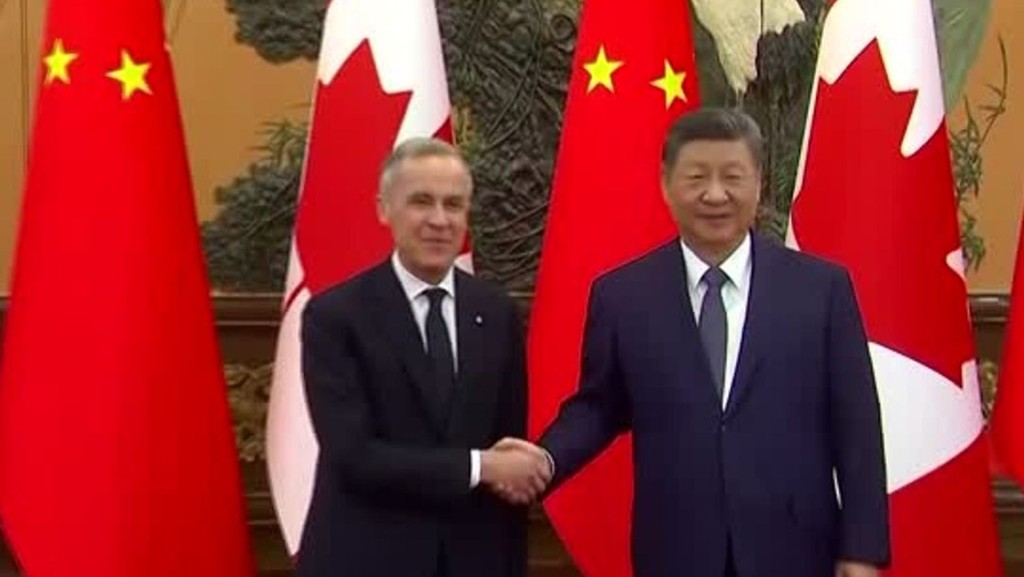
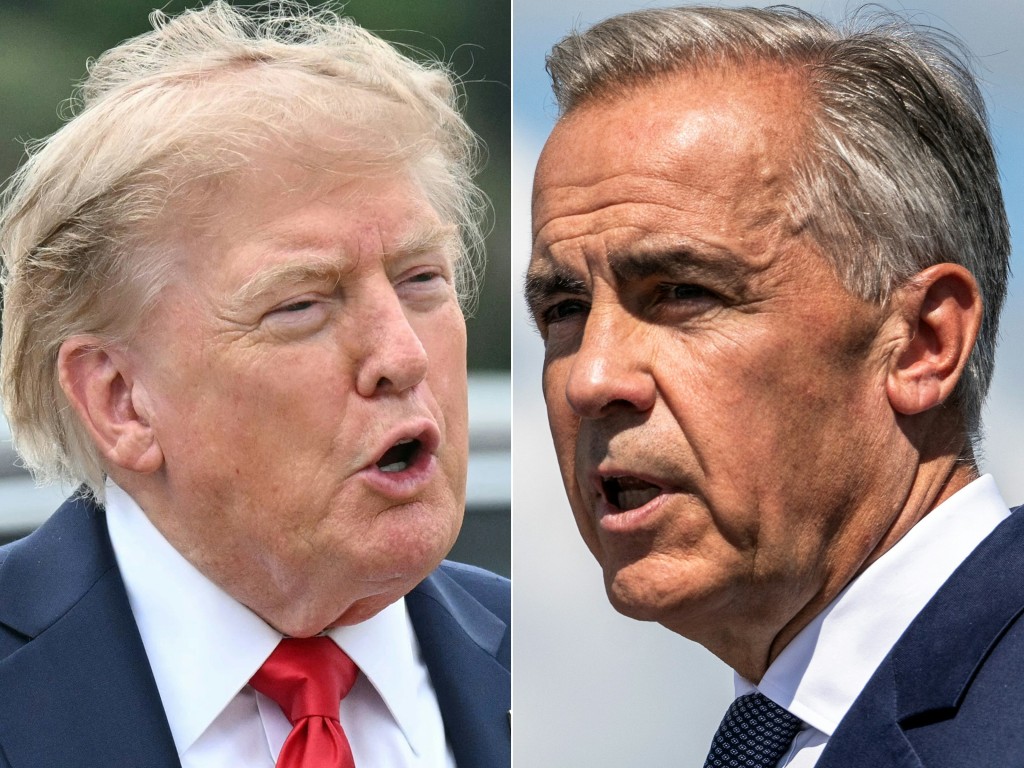
Canadian Prime Minister Mark Carney said he will discuss electric vehicle manufacturing with Chinese President Xi Jinping when they meet next week, but downplayed expectations of imminent production of Chinese cars in Canada.
"The extent to which there's Chinese investment depends on a variety of factors," Carney said. "It will be one of the discussions with President Xi."
He added that any discussion of Chinese EVs is also "relevant in our ongoing discussions with the United States," without elaborating.
Carney was speaking at the European Political Community summit in Dublin, the first stop on a trip that will also take him to the Philippines, Cambodia and China. He said European automakers may also emerge as new partners for Canada's auto sector, which is structured for exporting to the US but is struggling to adapt to tariffs imposed by President Donald Trump.
Carney plans to meet Xi on November 17, shortly after arriving in Shenzhen for the Asia-Pacific Economic Cooperation leaders' summit.
During Carney's visit to Beijing in January, he unveiled a pact that saw China cut tariffs on Canadian agricultural products in return for Canada creating a quota allowing as many as 49,000 Chinese-made EVs to enter Canada over 12 months at a tariff rate of about 6 per cent. Anything above that is subject to an additional 100 per cent surtax.
The agreement also set a goal to "drive considerable new Chinese joint-venture investment" in automotive manufacturing in Canada within three years. It drew criticism from the Trump administration.
Industry Minister Mélanie Joly has said she wants to see such joint ventures to boost Canadian parts manufacturing, labor and technology, but none have been announced. Stellantis held talks about potentially building EVs using Chinese technology at an idled plant near Toronto, but the government ruled out scenarios where parts are largely built in China and only assembled in Canada, and talks stalled. Stellantis instead plans to sell the plant to Roshel Inc.
Carney reiterated that the Roshel sale would be only a "partial" solution and that he wants the carmaker to address its contractual obligations to unionized workers.