Read More















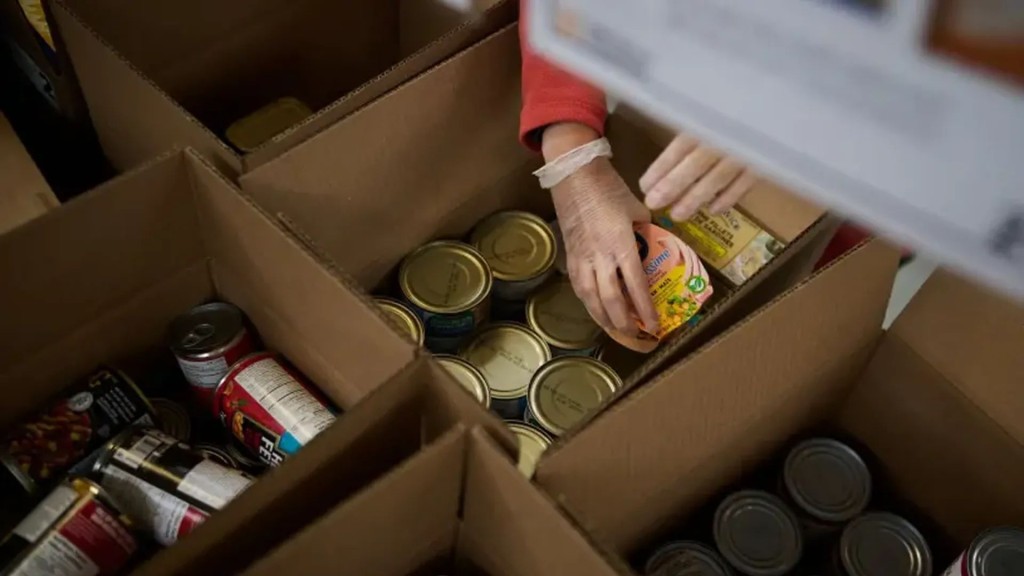
More Canadians are being forced to choose between food, housing and everyday essentials, with food insecurity reaching its highest level in four years, according to a new Salvation Army report.
The "2026 Canadian Poverty and Socioeconomic Analysis" surveyed more than 1,500 Canadians on poverty, food and housing affordability, and financial security.
Thirty-one per cent of Canadians said they skipped or cut the size of their meals because they could not afford groceries, up from 27 per cent in 2025. Fifteen per cent said they accessed community food supports, up from 11 per cent last year.
The figures align with a Food Banks Canada report showing monthly food bank visits reached a record 2.35 million in 2026, a 9 per cent increase from 2025 and 117 per cent higher than 2019.
"For many families, making ends meet is no longer about cutting back on extras," said Glenn van Gulik, national spokesperson for The Salvation Army. "It's about making difficult choices between food, housing and other basic necessities."
Younger Canadians are struggling most. Forty-one per cent of those aged 18 to 34 said they skipped or cut meals, compared with 31 per cent nationally, and 76 per cent said they struggle to manage with limited financial resources, compared with 55 per cent of those 55 and older.
Half of those surveyed said they worry they will not find suitable, affordable housing if their circumstances change, and 24 per cent spend at least half their after-tax household income on housing.
Eighty-nine per cent said they are concerned proposed US tariffs will put more pressure on already tight budgets, while 60 per cent said they have already felt the financial impact.
Among Canadians who accessed Salvation Army services, 83 per cent said the support improved their family's well-being, up from 80 per cent in 2025.