The Japanese government officially launched a new Disaster Prevention Agency on Monday to serve as a cross-departmental command center for catastrophic emergencies, immediately issuing an urgent appeal for the public to stockpile essential supplies.
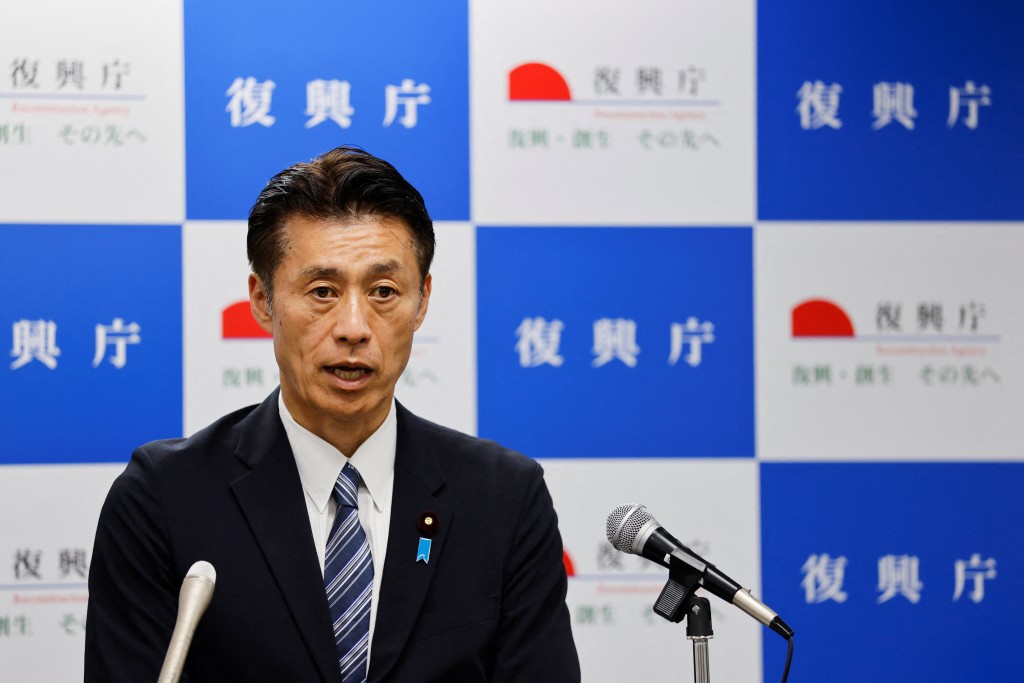
Headed by Prime Minister Sanae Takaichi, with Reconstruction Minister Goshi Hosono serving concurrently as the first disaster minister, the agency aims to tackle severe threats including a potential Nankai Trough megaquake, a direct earthquake strike on Tokyo, and a Mount Fuji eruption. It is the first cabinet-level agency established since the Digital Agency in 2021.
Citing expert forecasts of a 70 percent chance of a Tokyo inland earthquake and up to a 90 percent probability of a Nankai Trough megaquake within the next 30 years, Hosono stressed the need to build the world's most resilient nation.
"Facing a disaster of national proportions, everyone must save themselves," Hosono said.
Authorities urged citizens to inspect the seismic resistance of buildings constructed before 1981, memorize evacuation routes, and stockpile at least three to seven days' worth of food, drinking water, and portable toilets.
To support under-resourced local governments, the agency plans to establish regional disaster bureaus, with locations to be finalized by summer 2027 and operational by July 2028. It will also introduce a "proactive supply delivery" system that dispatches relief goods without waiting for local requests, alongside efforts to upgrade evacuation shelter amenities like beds, toilets, and air conditioning.
The agency will oversee ongoing recovery efforts for the 2024 Noto Peninsula earthquake and the July 2026 Kumamoto earthquake. Meanwhile, Hosono has ordered all ministries and prefectures to submit progress reports on 106 disaster preparedness measures by the end of the year. If progress lags, the minister holds the authority to issue binding recommendations to enforce improvements.
Staff reporter