Japan has raised fees for foreigners seeking permanent residency in the country by 20 times to 200,000 yen as of October 1. Long lines formed outside immigration offices earlier this week as applicants sought to beat the price hike, with Tokyo's main immigration bureau reporting wait times exceeding seven hours.
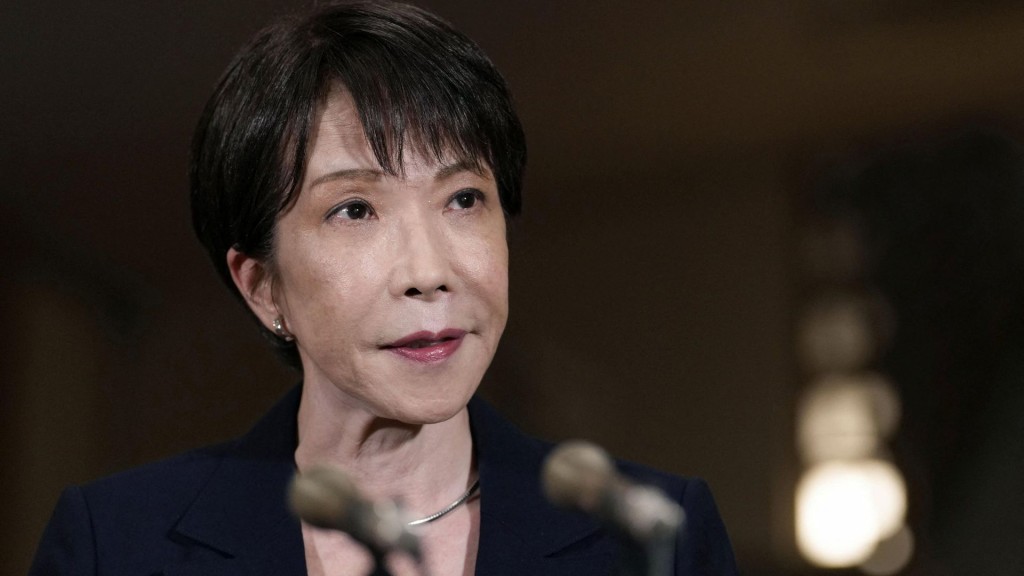
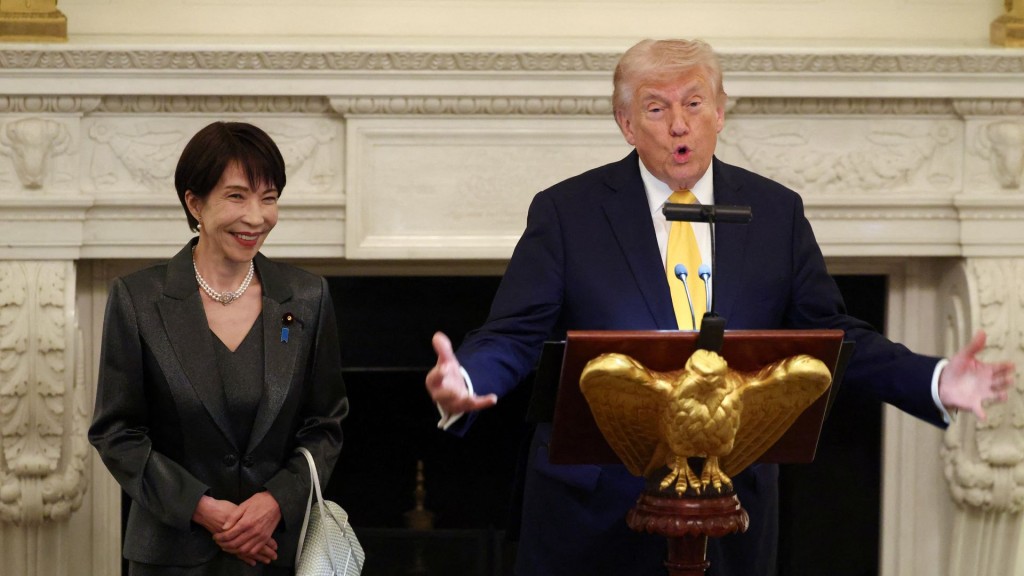
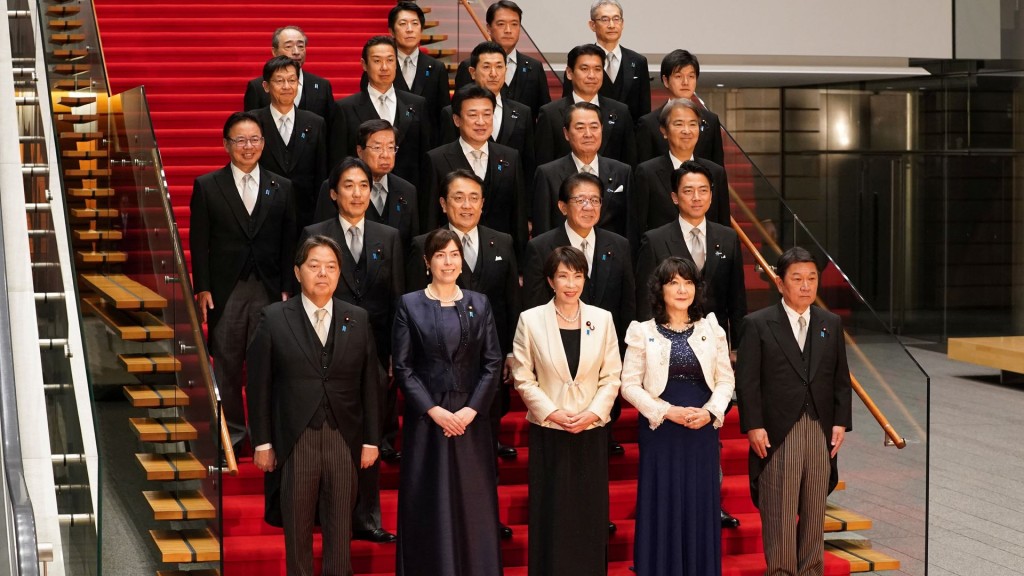
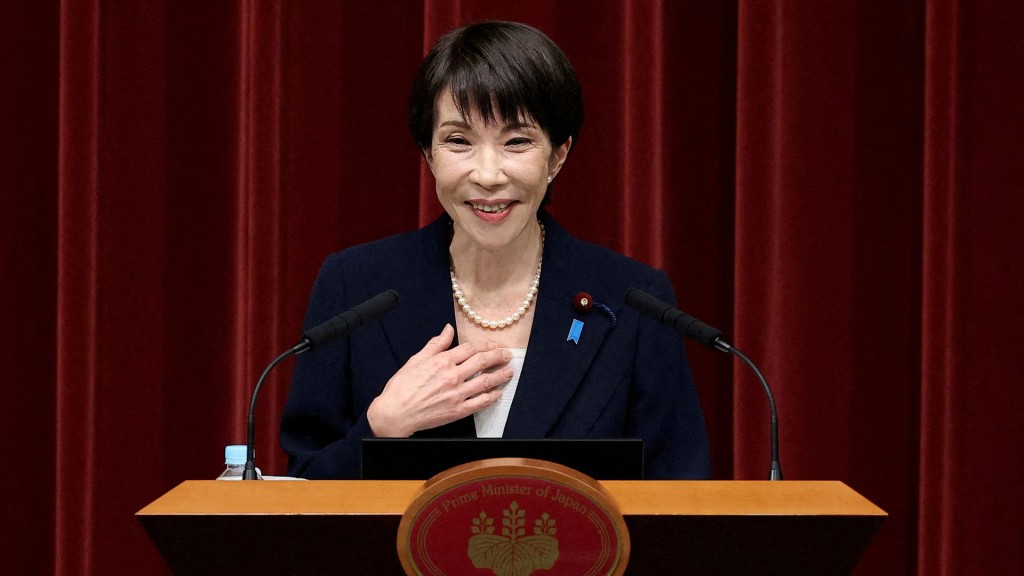
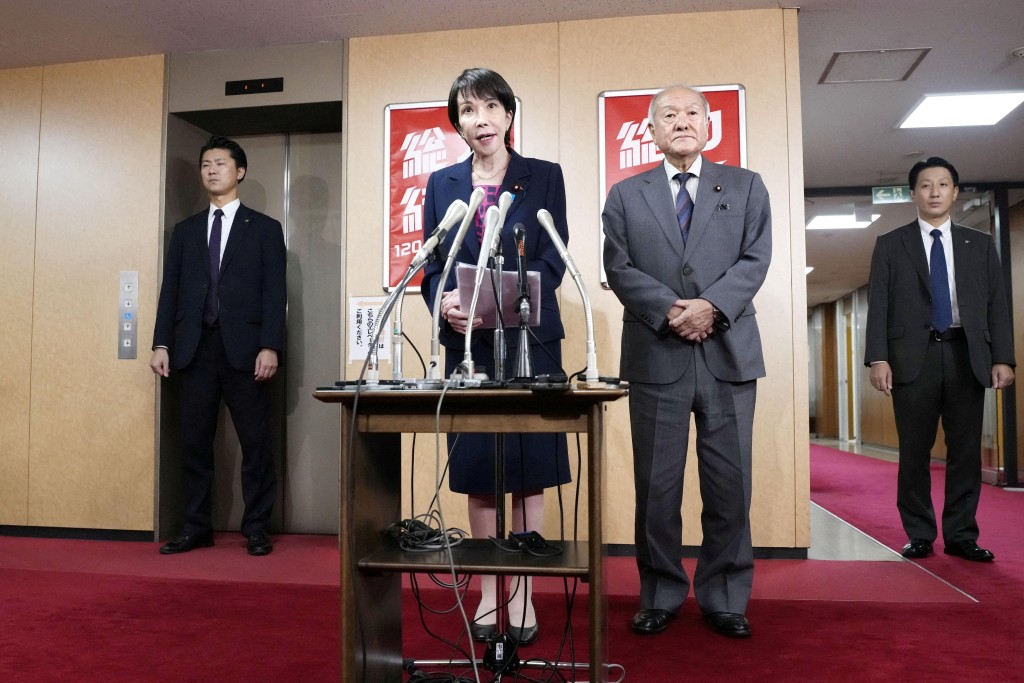
The dramatic fee increases are part of a series of immigration policy changes under Prime Minister Sanae Takaichi aimed at managing the nation's rapidly growing foreign population while addressing public concerns.
In addition to the permanent residency fee jumping from 10,000 yen to 200,000 yen, applicants must now meet stricter income, pension, and Japanese-language requirements. Standard visa extensions or status changes—previously a flat 6,000 yen—now scale based on the requested stay duration, ranging from 10,000 yen for three months or less up to 75,000 yen for five years or more.
Fee discounts remain available for recognized refugees or individuals facing financial hardship. Under the new minimum income guidance, applicants are expected to show a stable household income at or above the national average of 5.75 million yen, while pension compliance requires expected benefits equivalent to 30 years in the employee pension system. Language requirements are set to tighten further by April.
The overhaul follows a five-fold increase in general visa fees implemented in July to reflect inflation and exchange rate fluctuations. Japan's foreign resident population reached a record 4.12 million at the end of 2025, up 9.5% from the previous year.
While the nation increasingly relies on foreign labor to address severe demographic shortages, Prime Minister Takaichi stated that orderly policies are essential to ensure social stability and reassure local communities.