Read More


Taiwan detains Nvidia employee in Super Micro probe, Taiwan media says
28-07-2026 17:18 HKT











MTR opens new Tung Chung Line Extension track section with smooth service
13-09-2026 12:59 HKT


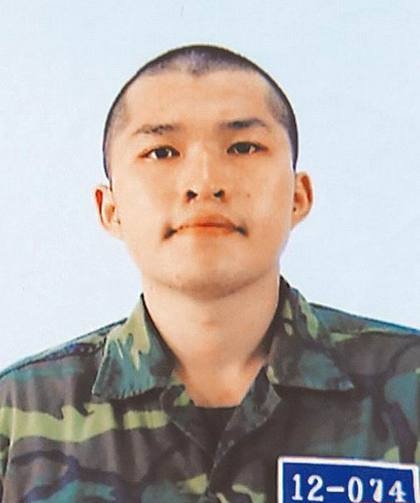
The recent stabbing incident in Taipei has sparked public inquiry into the perpetrator's motives, renewing concern about Taiwan's military desertion problem. On December 19, Chang Wen, aged 27, set off smoke grenades in Taipei Main station and attacked several people with a knife amid the chaos, causing at least four deaths and 11 injuries. He later fell to his death after a police chase.
It soon emerged that Chang was a military deserter wanted for over five months, according to East Week magazine, a sister publication of The Standard. A former air force volunteer, Chang was discharged for drunk driving and later failed to complete the subsequent conscription procedures, becoming a deserter. In July this year, he became wanted for obstructing military service.
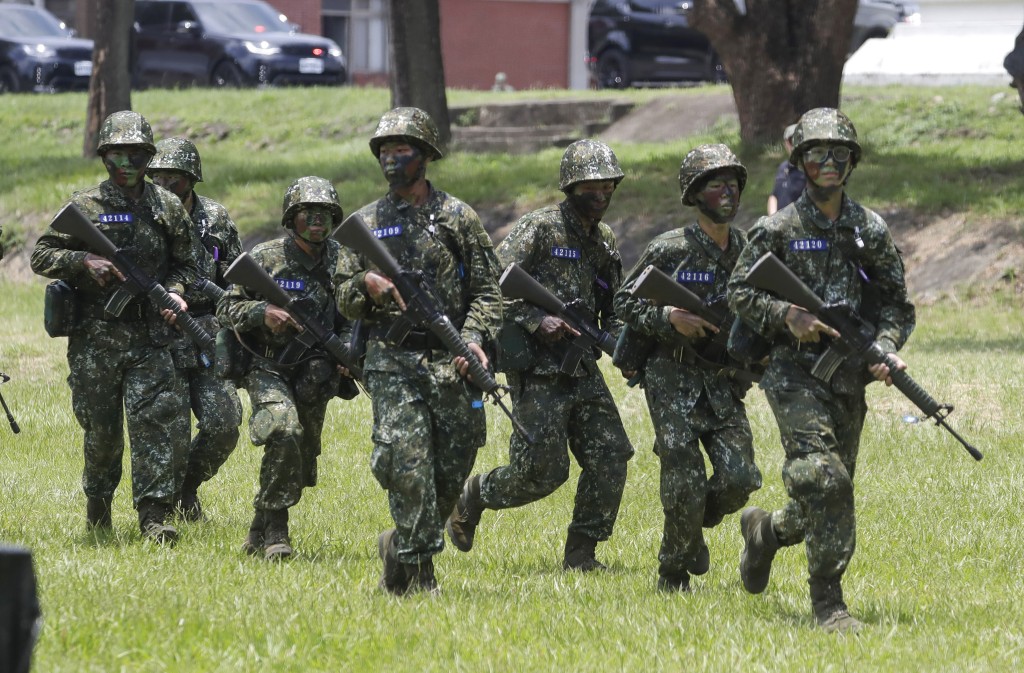
Chang's fatal attack has since drawn attention to Taiwan's conscription system, from which local men reportedly go to great lengths to escape. Under the current system, all men aged 19 to 36 are obligated to serve, with those born between 1994 and 2004 serving four months, and those born since 2005 serving one year. Background checks, physical examinations, and a lottery system are used to determine whether they are allocated to "standing soldier service" in the military, to "substitute service" in public service or administrative support, or exempt from service.
Various schemes have been conceived for avoiding conscription. Reports indicate that some Taiwanese men intentionally gain weight to be assigned to substitute service, while some others use medication to induce short-term symptoms to meet exemption criteria. Strong demand has spawned an illicit industry of forging medical records for evading service. Official data shows that the exemption rate in Taiwan stands at 16 percent, far exceeding the 5 percent in South Korea and Singapore.
A high-profile case of fraudulently obtaining exemption from service involved Taiwanese actor Darren Wang Ta-lu, who was exposed this year for paying an illegal organization almost HK$900,000 to forge documents citing a heart condition. Wang pled guilty, but the incident has continued to escalate, implicating several other celebrities now under trial.

Low wages and mistreatment in the Taiwanese military are among the major reasons for service evasion. Even with insurance and food, the monthly salary of a new conscript totals about HK$7,400, only slightly higher than the local minimum wage. Abuse of young conscripts by senior officers is rampant, epitomized by the fatal incident of Hung Chung-chiu in 2013. After undergoing high-intensity drills for alleged disciplinary violations, 24-year-old Hung was subject to solitary confinement where, under high temperatures and poor ventilation, he suffered heatstroke and later died. The incident led to protests demanding military reform, though cases of abuse continue to surface in recent years.