Read More



Seven arrested over Kwai Chung illegal gathering
14-09-2026 12:33 HKT


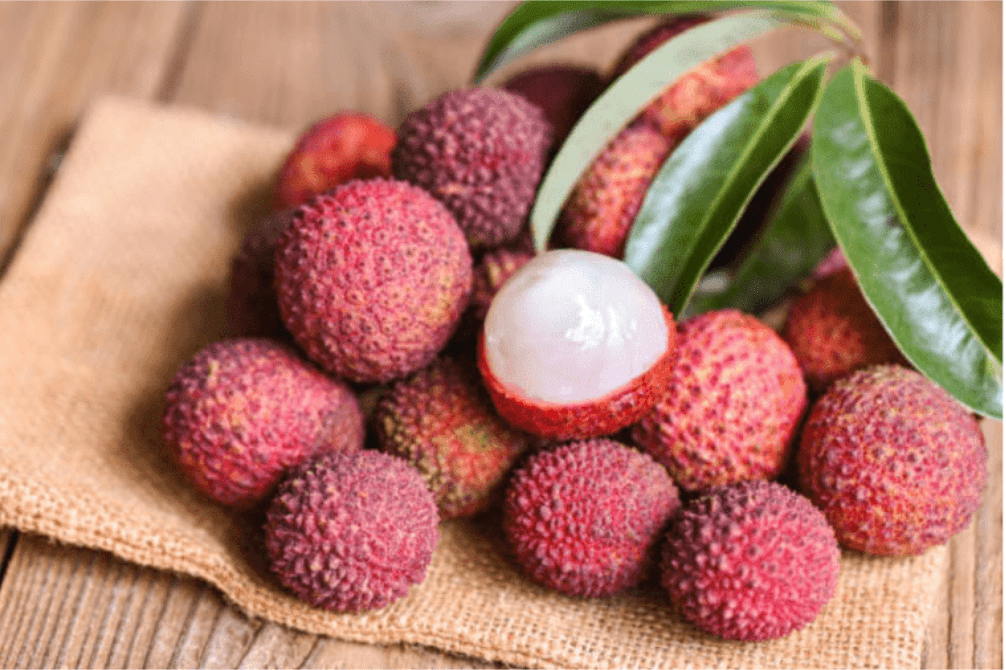
"One lychee, three fires of heat." Although eating too many lychees can cause a sore throat, their sweet, juicy flavor makes them a favorite for many in Hong Kong. What are the differences between lychee varieties? How do you choose and store them? And how many can you eat per day? Sing Tao Headline compiles expert advice from nutritionists and the Centre for Food Safety to help you enjoy summer sweetness safely and healthily.
According to USDA data, lychees have moderate calories but are packed with nutrients (per 100g):
Nutritionist Li Wan-ping shared that lychees' extremely high Vitamin C content helps promote non-heme iron absorption, and their copper ions assist in blood formation, beneficial for preventing anemia. Research also shows lychees contain various natural antioxidants like flavonoids, phenolic acids, saponins, and polysaccharides, which can boost immune function, regulate blood lipids, and protect cardiovascular health.
Lychee Varieties & Peak Seasons: Each with Distinct Flavors
There are many lychee varieties, differing in origin, season, and flesh texture. Here are 15 varieties well-known in Hong Kong:
| Variety | Peak Season | Origin & Characteristics |
| March Red | Late Mar – early Apr | One of the earliest; Taiwan, Guangdong, Guangxi, Hainan. Heart-shaped, bright red; tender, juicy, tangy and crisp. |
| Lychee King | May | Hainan, Guangdong, Guangxi, Fujian. Largest fruit (near egg size); thick, crisp flesh, sweet and juicy. |
| Feizixiao | May | Guangdong, Guangxi, Sichuan, Hainan. Large fruit, small seed; sweet, juicy, fragrant, helps with halitosis. |
| Baitangying | Late May | Guangdong Maoming. Crisp flesh, sweet with honey-like aroma; top quality. |
| Baila | Early June | Also called Bailazi; Guangdong, Guangxi, Hainan. Bright red-purple skin (thin, soft); whitish flesh, crisp and sweet. |
| Heiye | Early – mid June | Fujian, Guangdong, Guangxi. Darker skin; soft, smooth flesh; sweet, juicy, fragrant – the traditional favorite. |
| Crystal Ball | Mid June | Rare variety from Guangzhou. Flesh crystal-clear and white like glass; crisp and sweet; pale red-yellow skin; small seed. |
| Nuomici (Glutinous Rice) | Late June – early July | Guangdong, Guangxi. Bright red skin, thin; tender, juicy, with special aroma; considered the best late-season variety. |
| Guiwei (Cinnamon Flavor) | Late June | Guangdong, Guangxi. Bright to dark red skin; small seed; crisp, sweet, juicy with an osmanthus fragrance – very popular. |
| Gualv | Late June | Guangdong, rare. Red skin with green streaks; white, crystal-clear flesh; sweet and crisp – one of the "Four Great Lingnan Fruits." |
| Zhuangyuanhong | Mid – late June | Shitan, Licheng. Whitish flesh; crisp and juicy – must be fully ripe for sweetness; medium quality. |
| Lan Zhu | Late June | Fujian Longhai. Large, heart-shaped; thick, milky white flesh; sweet with slight tang – used for wine-making. |
| Huaizhi | Early July | Guangdong, Guangxi, Taiwan. Dark red, thick, tough skin; soft, smooth, sweet and juicy; hardy; one of the late-season varieties. |
| Yuanhong | Mid July | Fuzhou, Fujian. Heart-shaped; purple-red skin; thin flesh; sweet with a tang. |
| Chenzi | Mid – late July | Putian, Xianyou, Fujian. Known as the "Queen of Lychees." Smooth, soft flesh; sweet with slight tang; abundant moisture. |
Selection (3 tips):
Storage:
Registered Dietitian Jim Lau explains that lychees are a very high-sugar fruit, primarily composed of fructose. Fructose is viscous and easily adheres to the mouth and esophageal mucosa, causing a "hypertonic" effect that dehydrates the mucosa, leading to dry throat and discomfort. High sugar environments also weaken mucosal immunity, making it prone to inflammation and bacterial growth, resulting in sore throat and mouth ulcers. Additionally, high sugar stimulates rapid insulin spikes, exacerbating the body's inflammatory response.
Lychees should not be consumed frequently or in large quantities. The Centre for Food Safety recommends a daily limit of about 10 lychees (approx. 300g) for adults and no more than 5 for children. Jim Lau suggests limiting intake to 1-2 lychees per sitting. The following 6 groups should be especially cautious or even avoid lychees entirely:
Lau warns against eating large amounts of lychees on an empty stomach. High-sugar foods cause drastic blood sugar changes and excessive insulin release, leading to hypoglycemia (low blood sugar). There have been cases in mainland China of "lychee disease." One 24-year-old woman ate about 1.2 kg of lychees at once, developing dizziness and nausea, diagnosed as hypoglycemia, causing weakness, vomiting, and in severe cases, seizures, coma, or death.
US and Indian scientists have found that unripe lychees contain hypoglycin A and methylenecyclopropylglycine (MCPG), which inhibit the body's glucose production, significantly increasing the risk of low blood sugar.
Sources: Jim Lau – Registered Dietitian (authorized reprint), Nutritionist Li Wanping, Centre for Food Safety (Hong Kong)