Read More

Seven arrested over Kwai Chung illegal gathering
14-09-2026 12:33 HKT


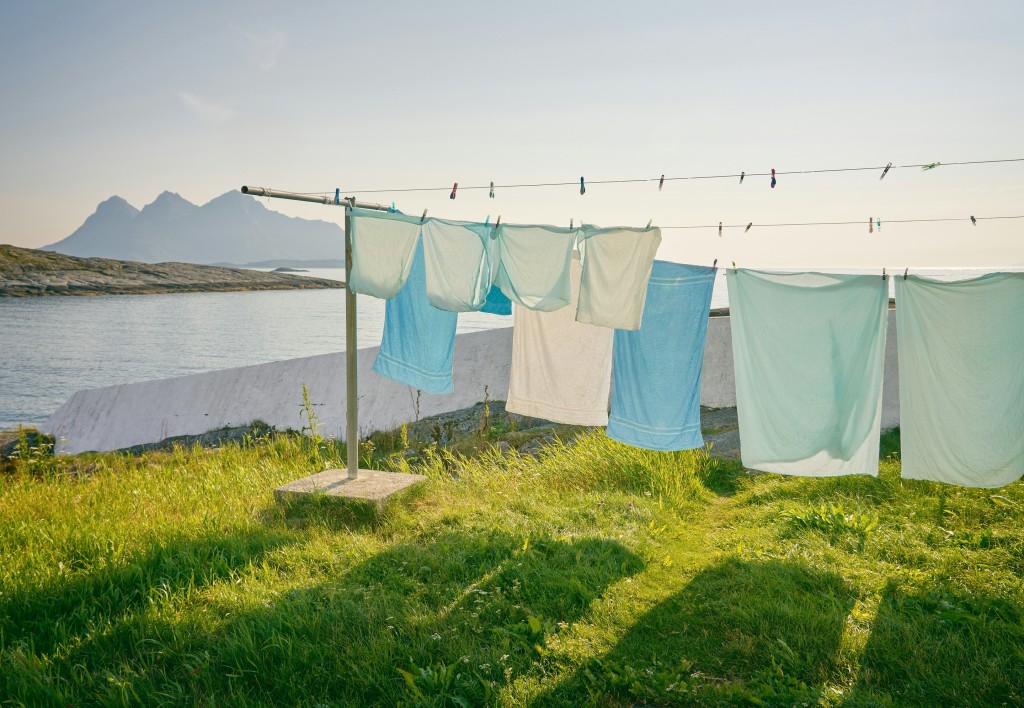
Hong Kong's humid weather, especially during the rainy season, often leaves clothes smelling musty after days of drying. A popular screenshot from a Japanese TV program shows the best way to dry clothes quickly. According to actual tests by the Japan Meteorological Agency and many housekeeping experts, this "bow-shaped hanging" arrangement is the correct answer for the fastest drying. However, besides this optimal method, there are many other common drying habits. Let's break down the drawbacks of other methods and why they slow down the drying process.
Let's first understand the scientific principle behind the "bow-shaped hanging" method (Red). This method involves hanging long items (coats, trousers) on both ends of the clothesline and shorter items (T-shirts, shorts) concentrated in the middle.
The key reason this significantly reduces overall drying time is that it creates an efficient "rising airflow" under the clothes. When shorter items are hung in the middle, a larger open space is left underneath. Air from the surroundings enters this relatively open area, and because the space above is larger, it forms a smooth air channel. As air gathers in the middle and flows upward, it creates a weak updraft (chimney effect). This continuously flowing air quickly carries away moisture from the clothes' surface.
In contrast, the "uniform hanging" method (Blue) has clear disadvantages.
This method, arranging clothes from longest to shortest like a staircase, allows air to flow only from one direction. When wind passes through, it easily stagnates on the side with longer clothes. Moisture cannot evaporate smoothly, leading to uneven drying: one side is completely dry while the other is still damp.
The "V-shaped hanging" method (Green), used by many out of habit (long items in the middle, short on the sides), is considered a trap by housekeeping experts.
This arrangement allows the long items in the center to completely block the space below. When surrounding air enters under the clothesline, it gets trapped by the long items and cannot flow upward. Once air convection is lost, moisture easily accumulates between the clothes, actually prolonging drying time.
Finally, the "jagged hanging" method (Yellow), where long and short items are mixed randomly with no order.
This messy arrangement causes airflow to continuously collide with the protruding long items as it passes through gaps. As a result, wind speed is severely weakened, and countless small eddies form on the clothes' surface. Because an effective, unidirectional air channel cannot be established, moisture is carried away much more slowly.
By understanding the pros and cons of these four methods, next time you hang laundry, remember the golden rule of "bow-shaped hanging": keep the short clothes in the middle to use the natural air channel for faster drying.
Source: "Fish Cake Couple" @ Facebook (魚漿夫婦)