Read More



Seven arrested over Kwai Chung illegal gathering
14-09-2026 12:33 HKT


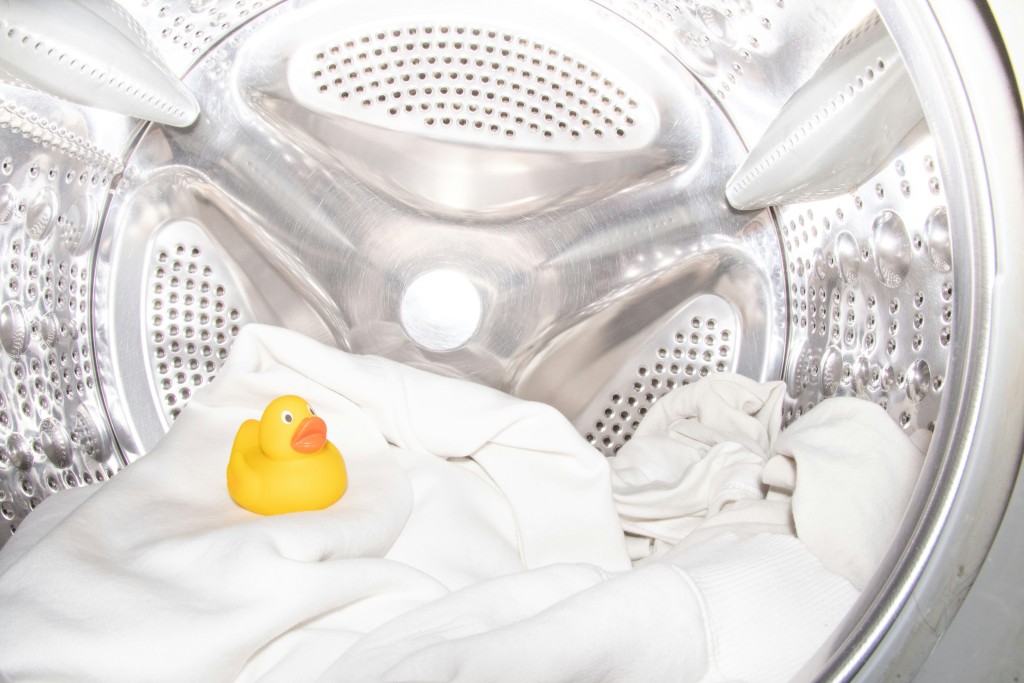
Many independent young adults, trying to save water and electricity and for convenience, often accumulate dirty clothes for a day or two until the washing machine is stuffed full before running a cycle. However, Japanese laundry researcher Rie Hirajima points out this seemingly cost-effective idea is completely wrong. Overloading the washing machine not only fails to clean clothes properly but can actually backfire, using more water and electricity. So, what is the "golden load capacity"? Let's look at the expert's detailed analysis.
Many people adopt the mindset: "Since a wash cycle uses this much water anyway, the fuller the load, the better value." But Hirajima states that this blind pursuit of "maximum capacity" actually leads to three negative effects on clothes and the machine:
If overstuffing is wrong, what's the right amount? Hirajima proposes the perfect "golden load standard," applicable to both front-loading and top-loading machines commonly used in homes: After loading dirty clothes, leave about 20-30% empty space at the top of the drum (approximately 7/10 full). This reserved space ensures clothes have enough room to fall and tumble, allowing water, air, and detergent to thoroughly penetrate fibers for maximum cleaning efficiency and water conservation.
Besides the 7/10 full rule, experts also recommend two habits for true water efficiency and cleanliness:
Source: Laundry Researcher Rie Hirajima