Read More



Seven arrested over Kwai Chung illegal gathering
14-09-2026 12:33 HKT


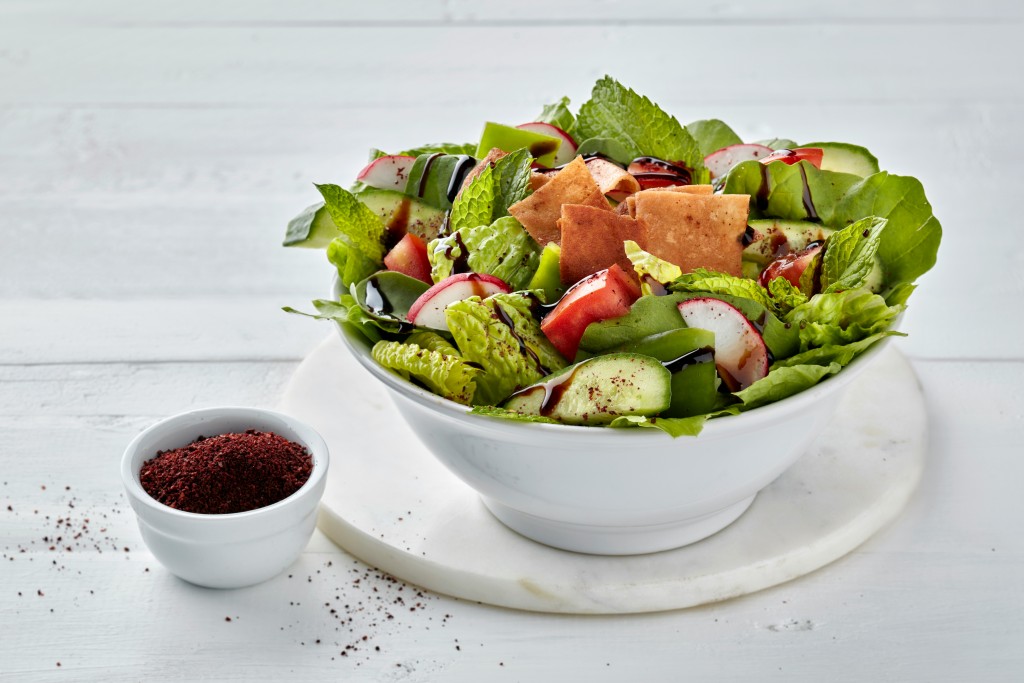
Want to feel full and not gain weight during weight loss? Many people immediately think of cucumber (about 16 kcal per 100g). But a nutritionist points out that there are actually 10 other vegetables with even fewer calories. Eating them in moderation, along with a balanced diet and exercise, is a healthy and satisfying way to manage weight.
Nutritionist Gu Chuan-ling introduces 10 "low-calorie treasures" among vegetables, along with simple and delicious recipes, to help you get enough vitamins, minerals, and dietary fiber while controlling calories:
High in potassium (212 mg) and low in sodium (35.6 mg), helping regulate blood pressure and protect cardiovascular health. Often called a "superfood." Celtuce leaves contain 5.9 times more beta-carotene, 3.3 times more Vitamin C, and higher potassium (305 mg) than the stem. Eat the leaves too!
Rich in Vitamin C (64 mg) and beta-carotene (889 mcg), with calcium at 117 mg – a "nutritional powerhouse." Vitamin C boosts collagen and iron absorption; beta-carotene protects eyes and fights oxidation.
Lycopene is a powerful antioxidant, better released when cooked; eating raw preserves more Vitamin C. High water content and low calories make it great for replacing vegetables for dietary fiber.
High potassium (246 mg), low sodium (8.6 mg) for lowering blood pressure. Rich in selenium (strong antioxidant). Dietary fiber increases satiety; iodine suitable for pregnant and breastfeeding women. Eat once weekly.
Contains potassium (164 mg) and sodium (32 mg), good for replenishing electrolytes post-exercise. Beta-carotene (1634 mcg) protects eyes. Suitable for people with high blood pressure.
Rich in dietary fiber, increasing satiety and promoting gut motility. High in folate (120 mcg), providing over 1/4 of the daily requirement per 100g. Green leaf and romaine lettuce have more beta-carotene and potassium than iceberg.
Both water celery and common celery are rich in dietary fiber, which binds to cholesterol and glucose, slowing absorption. Apigenin has potential blood pressure-lowering effects. Water celery has 1.7 times more potassium than common celery.
High in calcium (148 mg), low in oxalates. Vitamin K (84 mcg) promotes calcium absorption. Beta-carotene (1460 mcg) protects eyes.
High in Vitamin C (44 mg), comparable to two lemons, boosting immunity and preventing colds.
Calcium (78 mg) is twice that of regular cabbage; low oxalates, easy to digest, suitable for elderly and children. Potassium (278 mg) helps stabilize blood pressure.