Read More



Seven arrested over Kwai Chung illegal gathering
14-09-2026 12:33 HKT


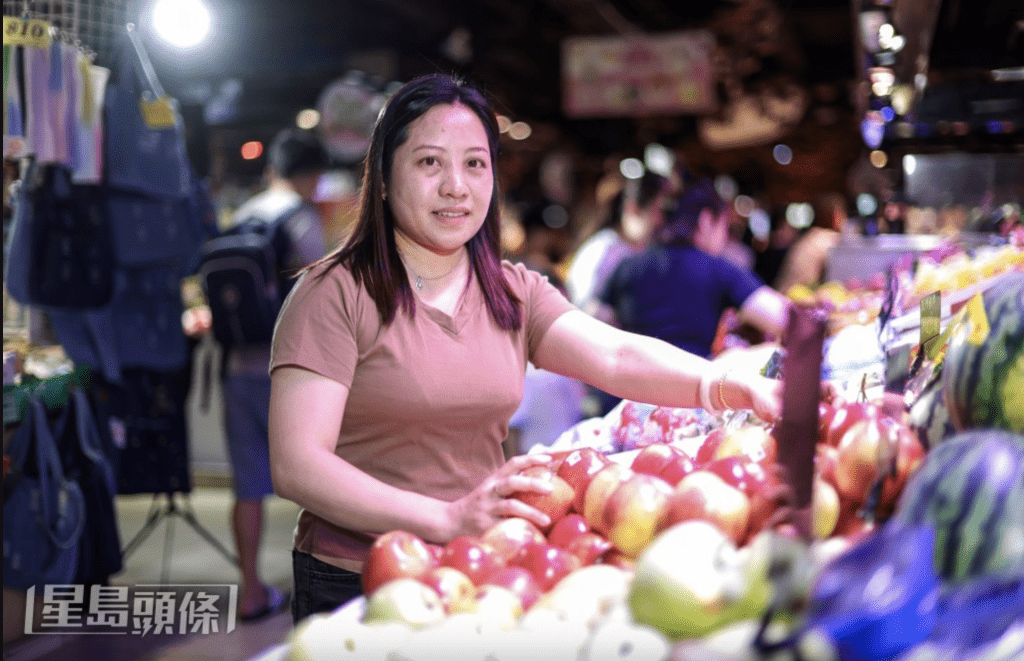
Pineapples are a popular tropical fruit in summer, known for their sweet and tangy juice. However, different origins and varieties offer distinct flavors. This guide covers common types, their uses, nutritional values, and expert tips from a nutritionist and a fruit stall vendor to help you choose the perfect one.
Bik, the owner of "Samyau Fruits" at Tsing Yi Market, explains that from June onwards, pineapples in Hong Kong primarily come from the Philippines, Mainland China, and Taiwan. Origin and variety determine sweetness and texture. While essentially the same fruit, different varieties have distinct characteristics in appearance, nutrition, and taste:
Pomelo (often the smoother-leafed variety): Usually a smaller, thinner-skinned, sweeter improved cultivar.
Pineapple (often the rough-leafed variety): Higher acidity usually means stronger bromelain enzyme activity, which can irritate the mouth but works wonderfully in cooking.
Key Differences:
| Feature | Pineapple | Pomelo (Smooth Cayenne type) |
| Leaves | Sharp, serrated edges (can cut). | Smooth edges (usually). |
| Eyes (Spots) | Deep, requiring grooving after peeling. | Shallow, resulting in a smoother surface after peeling. |
| Taste/Effect | Higher acidity; stronger mouth irritation. | Lower acidity, higher sugar; generally sweeter and gentler on the mouth. |
Origin/Season: Philippines (May-Sep).
Features: Small, delicate; often tree-ripened with a yellow-orange skin.
Taste: Crisp, refreshing flesh and core.
Nutrition: Rich in trace elements like manganese.
Use: Fried rice. Price: ~$32/each (A)
Origin/Season: Philippines (Apr-Aug).
Features: Usually large; deep yellow flesh when ripe; less fiber than "Golden" pineapples.
Taste: Very sweet and juicy.
Nutrition: High sugar content.
Use: Desserts, smoothies. Price: ~$38/each (B)
Origin/Season: Philippines (Jun-Sep).
Features: Most common in HK; thick, firm rind; bright yellow flesh.
Taste: Sweet with a tang; soft texture.
Nutrition: Good source of Vitamin C, fiber, and fructose.
Use: Meat dishes (cooking). Price: ~$32/each (A)
Origin/Season: Taiwan (Jun-Aug).
Features: Thin skin; bright golden, fine-grained flesh; core has no rough fiber.
Taste: Sweet, tart, and crunchy.
Nutrition: Rich in Vitamin C (30-40mg/100g); excellent sugar-acid balance.
Use: Jam. Price: ~$25/each (A)
Origin/Season: Taiwan (Jul-Aug).
Features: Short season (~2 months); bright yellow flesh; strong ripe fruity aroma.
Taste: Fresh and sweet.
Nutrition: High fructose ratio; very low acidity (<0.4%).
Use: Baking (cakes). Price: ~$35/each (A)
Origin/Season: Taiwan (Jul-Aug).
Features: Small, round, and plump; thin skin with deep golden flesh.
Taste: Rich, fruity aroma reminiscent of Irwin mango.
Nutrition: High in polyphenol antioxidants.
Use: Salsa. Price: ~$22/each (B)
Origin/Season: Hainan (May-Aug).
Features: Large fruit; flesh is milky white, fine-fibered with no stringy texture.
Taste: Subtle coconut or milk aroma.
Nutrition: Rich in dietary and soluble fiber; contains unique plant volatile oils.
Use: Pairs well with yogurt and ice cream. Price: ~$35/each (B)
Bik suggests focusing on the peel, shape, and leaves:
Peel: Should be intact, dry, and firm. Color should be golden with a hint of green. Too dark or deep yellow indicates over-ripeness.
Shape: Look for plump, round fruit that feels heavy for its size (indicating juiciness).
Leaves: Should be green, firm, not wilted or yellowed (signs of freshness).
High-sugar varieties can be eaten directly after peeling.
For varieties with higher acidity (like Golden or Golden Diamond), soaking cut pieces briefly in mild salt water can deactivate bromelain, preventing tongue irritation and even enhancing perceived sweetness. Use only a small amount of salt.
Nutritionist's Advice:
Joey Wong, a nutritionist accredited by the Hong Kong Nutritionists Society, recommends:
Daily Serving: About 200g for healthy adults.
Precautions:
Individuals monitoring blood sugar should avoid eating pineapple/pomelo.
Those with weak stomachs should avoid eating on an empty stomach or before meals, as the fruit acids and plant enzymes can stimulate gastric acid secretion, potentially causing pain, reflux, or heartburn.
Sources:
A: Oliver's The Delicatessen, Shop 332-328, 3/F, Landmark, Central.
B: Samyau Fruits, Tsing Yi Market, G/F, Cheung Fat Plaza, 6 Tam Kon Shan Road, Tsing Yi.