Read More
Alysha Bibi and Eunice Lam
ADVERTISEMENT
SCROLL TO CONTINUE WITH CONTENT
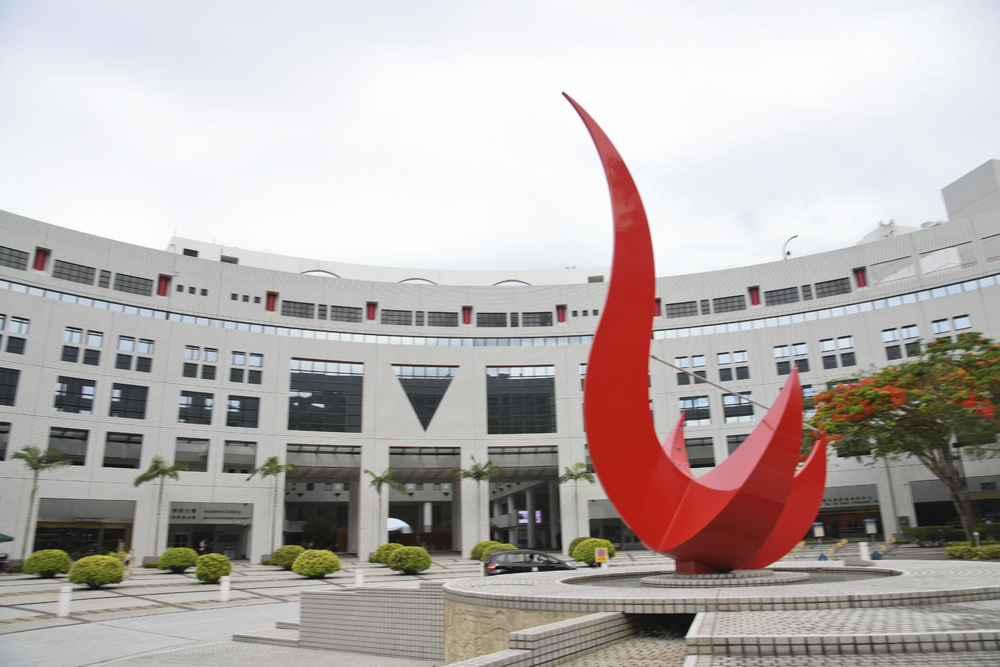
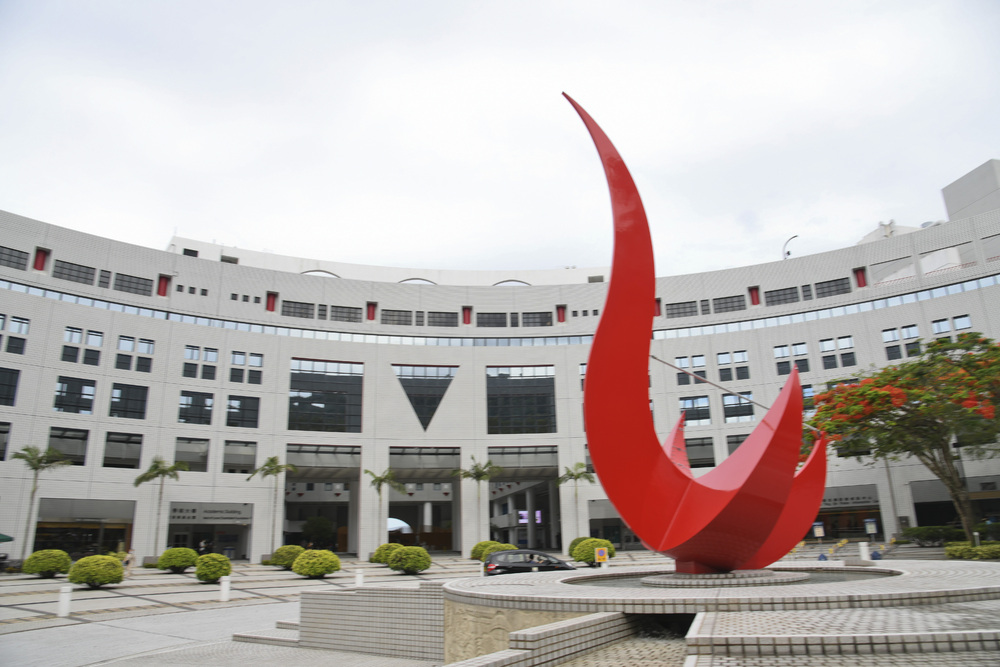
Hong Kong University of Science and Technology freshmen who get the highest level 5** in six subjects of the Diploma of Secondary Education can receive scholarships of up to HK$100,000 each as the institution steps up its scholarship scheme to attract more top students.
To that end, the university said it had handed out HK$70 million in scholarships over the past two years.
Based on the number of subjects in which students obtain level 5* or 5**, HKUST will offer scholarships ranging from HK$5,000 to a full tuition fee of HK$42,100 plus an additional HK$60,000 scholarship.
The drive comes as it marks the 20th year it has been training Hong Kong teams for the International and the Asian physics olympiads.
That sees it work with the Academy for Gifted Education to offer senior secondary students undergraduate-level physics theory courses and experiment training that results in the eight brightest shortlisted for the Hong Kong team.
A second-year student in its international research enrichment program, Cheung Man-yin, was a silver medalist in the 2021 and 2022 International Physics Olympiad.
"I learned about the physics olympiad Hong Kong team from secondary school seniors when face-to-face classes were suspended," he said, adding that he hopes to pass on the torch to others.
Meanwhile, students applying for the University of Hong Kong's bachelor of arts & sciences program can apply for its one-off HK$20,000 future leaders of the year scholarship, which also comes with mentorship and training opportunities.
The program, with an annual intake of 80 to 100, allows students to choose from one of six majors: artificial intelligence, design, fintech, global health, data science and interdisciplinary studies.
Students may also get a chance to work in leading global organizations such as the United Nations and Medecins Sans Frontieres.
Program director Pauline Chiu said the curriculum strategically addresses the rapidly evolving job market, merging and putting into use concepts and knowledge from diverse disciplines.
"We think that for future issues, for example sustainable development, we need to have cross-disciplinary knowledge and know how we can approach and solve a problem with experts and professionals from different industries," she said.
Ahead of the DSE results to be released on Wednesday, student guidance group Hok Yau Club said there is "very high possibility" of candidates securing a university offer if they score at least 20 in their best five subjects, similar to the past.
This is the first year students have sat for the citizenship and social development subject, which replaced liberal studies, with results only graded as "attained" or "unattained."
Club executive director Leung Kwok-shing said the switch and its scoring system change would inevitably affect how universities evaluate students' performance under the Joint University Programmes Admissions System.
"We have seen that since the transition to CSD, many JUPAS programs have started considering the best five subject scores, instead of the usual best six," he said.