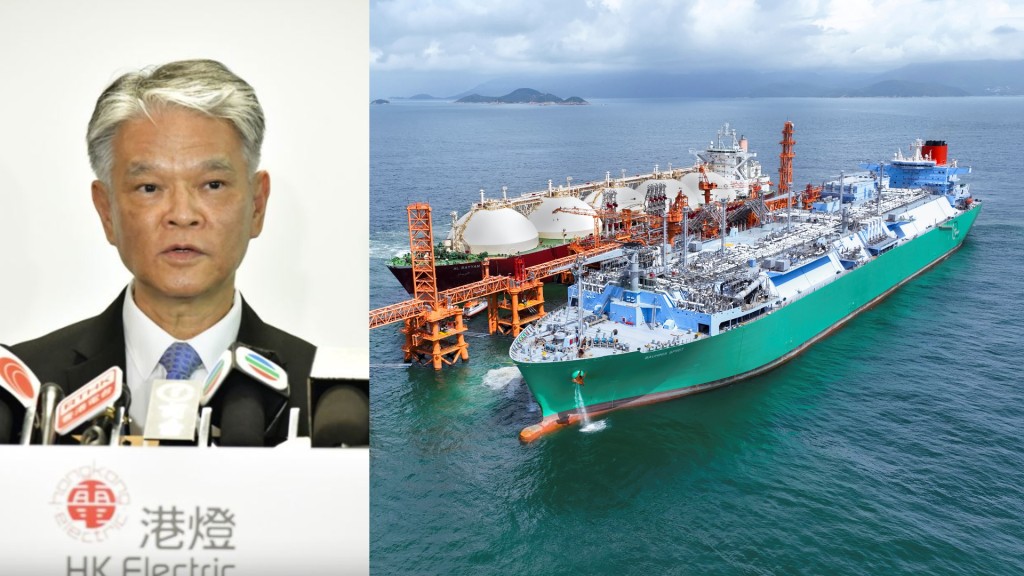
Experts are warning that Hong Kong must prepare for the possibility of a global natural gas shortage, as one of the city’s power suppliers, HK Electric, has raised concerns over securing stable supplies.
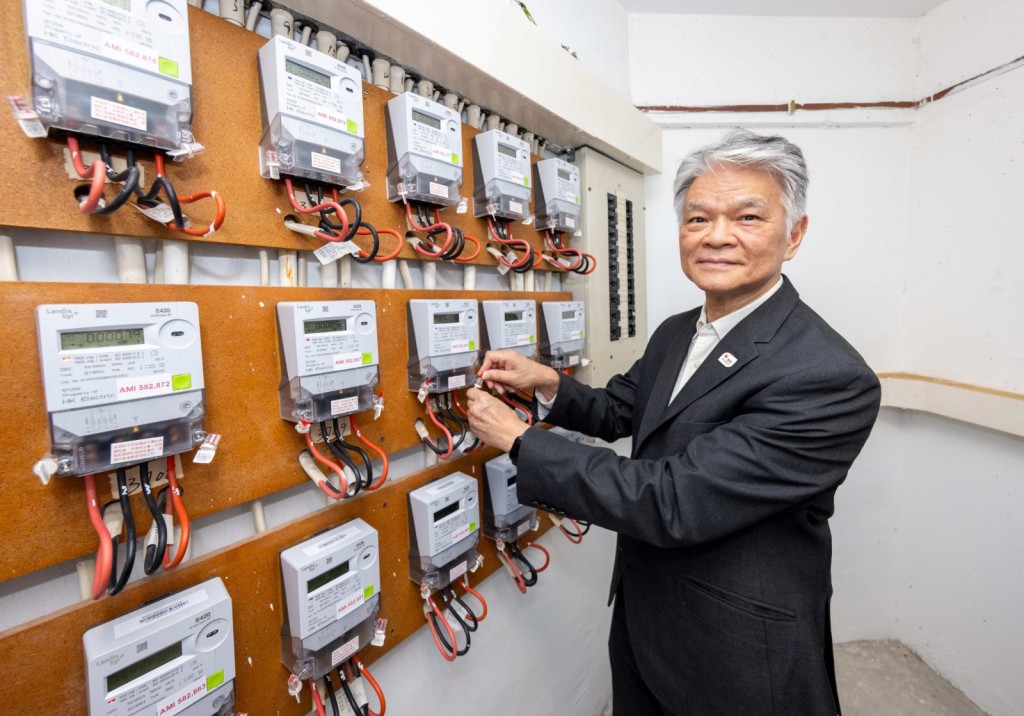
HK Electric managing director Francis Cheng Cho-ying wrote yesterday that since March, global energy markets have been highly volatile, with fuel prices climbing sharply and overall costs rising.
He explained that because the adjustment mechanism relies on data from the previous three months, there is a “deferred effect,” meaning fuel charges could see a significant increase by midyear if international prices remain high.
“This is certainly not a situation anyone wants to see, but as an insider, when I sense any signs of trouble, I feel it is my responsibility to inform the public early so they can prepare for possible electricity bill increases,” Cheng said.
He added that the worst scenario is not only expensive natural gas but also the inability to secure supplies, noting that Hong Kong no longer has enough coal-fired units to meet peak demand.
CLP chairman Michael Kadoorie earlier described the situation as a “yellow light,” noting that CLP maintains multiple supply chains for its natural gas and can ramp up coal power if necessary.
Kadoorie stressed that maintaining a high level of self-sufficiency is the cornerstone of power reliability.
William Yu Yuen-ping, chief executive officer of the World Green Organisation, echoed concerns that instability in Middle Eastern gas supplies has prompted countries to turn to Central Asia and Australia, which could eventually strain non-Middle Eastern sources.
Yu stressed that there is no complete substitute for natural gas in power generation and urged the government to develop contingency plans rather than relying solely on mainland China. He noted that China itself must purchase gas from international markets, making the issue a global challenge.
Hong Kong sources about 12 percent of its natural gas from Qatar, mainly for HK Electric, with gas-fired generation accounting for roughly 70 percent of its total output in 2024.
CLP reported that its fuel mix in 2024 comprised 52 percent gas, 31 percent nuclear, 16 percent coal and 1 percent renewables.
The Environment and Ecology Bureau has said about 80 percent of Hong Kong’s petroleum products come from the mainland and pledged to maintain communication with mainland authorities to ensure stable supplies.
Reuters reported that Beijing has been reluctant to provide energy assurances to Southeast Asia, focusing instead on securing its own supplies, even as it pledged closer energy ties this month while freezing fuel and fertilizer shipments.
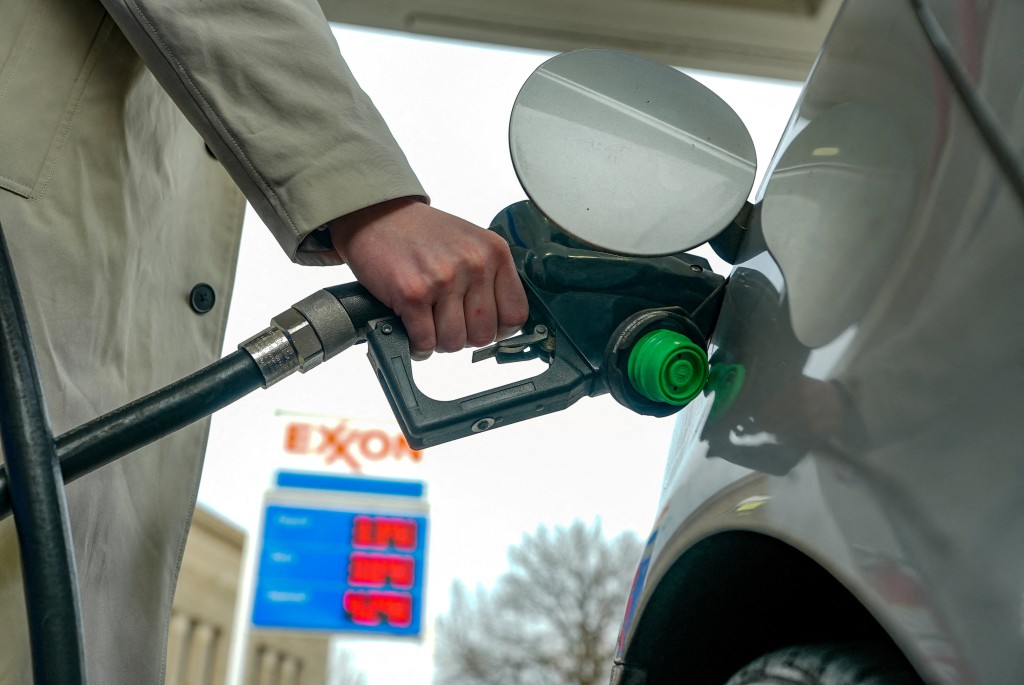
Meanwhile, the Environment and Ecology Bureau yesterday started publishing weekly updates of the seven-day moving average retail prices of unleaded gasoline and diesel after discounts at local oil companies, alongside international refined oil benchmarks, to improve transparency and monitoring.