Read More
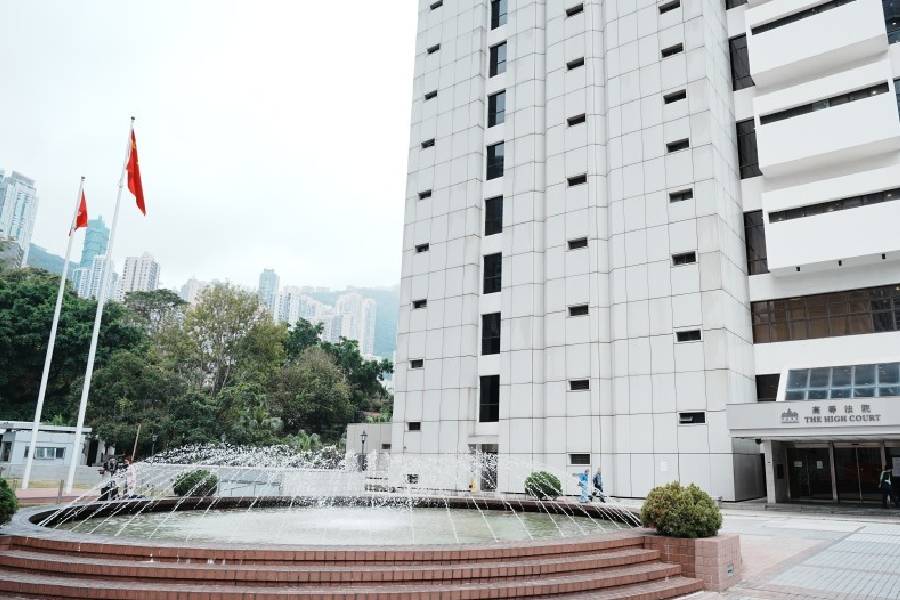
A group of 87 Mainland Chinese families has taken the Hong Kong government to court, challenging a recent policy change that restricts access to subsidized university spots for dependents of high-talent visa holders.
ADVERTISEMENT
SCROLL TO CONTINUE WITH CONTENT
The legal battle centers on a new residency requirement that the families argue was implemented so abruptly it left them with no realistic way to comply.
A shift in eligibility status
Last July, the government announced a significant shift in how "local student" status is defined for tuition purposes.
Under the new rules, students holding dependent visas must reside in Hong Kong for at least two years before starting their degree to qualify for subsidized rates, starting from the 2028/29 academic year.
For those planning to enroll in the 2027/28 academic year, a transitional requirement of one year of residency was introduced.
Prior to this change, many of these students were considered local applicants regardless of where they actually lived or attended high school.
Financial and academic pressures
The families involved in the judicial review are primarily in Hong Kong under programs like the Top Talent Pass Scheme.
Their children are currently enrolled in international curricula, such as A-Levels or AP courses, at schools in Mainland China or overseas. These students intend to apply for Hong Kong universities for the 2027/28 term.
Their legal representative argued in court that the difference between being classified as a local or non-local student amounts to roughly $80,000 over a four-year degree.
Practical obstacles to compliance
The applicants contend that the timing of the announcement—coming just weeks before the start of the 2025/26 school year—made it nearly impossible for them to adjust.
Many students had already registered for their final years of high school outside of Hong Kong.
The families claimed that despite immediate efforts to find placements in Hong Kong secondary schools to satisfy the one-year residency rule, they were met with full enrollment lists and expired application deadlines.
Furthermore, they argued that forcing students to move to a new city and school during their final examination years would cause significant academic and personal distress.
The government's defense of public resources
In response, the Education Bureau defended the policy as a necessary measure to ensure that government-subsidized places are reserved for those with genuine local ties.
The government’s legal team argued that the policy is applied fairly across the board to all dependent visa holders, regardless of their origin.
They noted that with the number of dependent visa holders expected to reach 6,000 by 2027, the financial burden on the public purse is substantial.
Awaiting the final verdict
The defense also suggested that the families had approximately 13 months from the announcement to establish residency before the 2027 enrollment period.
They maintained that the government should not alter a broad institutional policy to accommodate a small minority of people, especially when those students still have the option to apply to Hong Kong universities as non-local candidates.
The presiding judge has reserved his judgment and is expected to deliver a ruling later this month.