Read More
Christine Tang
ADVERTISEMENT
SCROLL TO CONTINUE WITH CONTENT
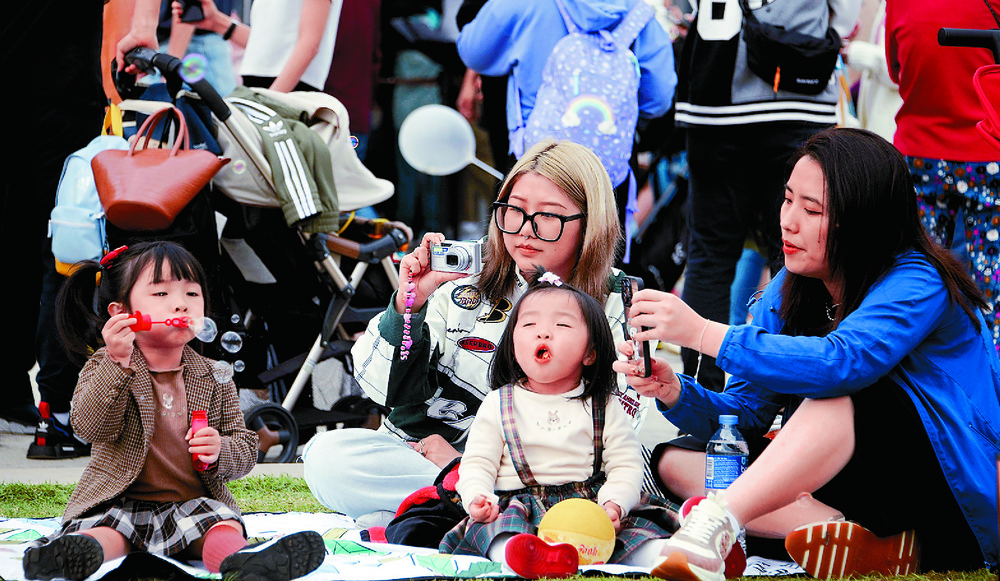
There has been a slight decline in the overall well-being of families in Hong Kong compared to two years ago, according to the Hong Kong Family Welfare Society's index.
The latest index stands at 6.06 out of 10, which is a small decrease from 6.1 in 2022.
Notably, the score for family health saw a drop from 7.07 to 6.74 points.
While the decline in the overall well-being index is smaller than from 2020 to 2022, which saw a decrease of 0.21 points, the current score still reflects an "average" level of well-being.
The findings are based on a telephone poll conducted in January that took in over 2,000 adults.
The survey was divided into three internal family considerations (solidarity, resources and health) and three external ones (social resources, social connection and work-life balance). In total, 26 questions were asked.
Of the six considerations, the internal ones generally scored higher, with differences ranging from two to four points.
Despite the significant decline in family health scores, the score for social connection increased from 3.26 in 2022 to 3.34 points.
Interestingly, the gap in overall well-being has narrowed between high- and low-income groups, with the former (earning more than HK$30,000 per month) experiencing a decrease in well-being.
The findings also shed light on the well-being of families with carers, prompting the inclusion of questions concerning them this year.
Families with carers showed lower scores, 5.81, in overall well-being. Single carer families fared even worse, scoring 5.79 points.
It is worth mentioning that 40 percent of carers in single carer families are above the age of 60.
Researchers estimated that there are over 262,600 single carers aged over 60 in the SAR, and with an aging population, the situation of elderly single carers is expected to worsen, requiring more attention.
Society senior manager Teresa Cheung Wing-shan said "more than 10 percent of families with carers have relocated overseas in the past three years, and half of the carers who remain are seeing increased stress."
Helena Chu, a carer for her 16-year-old grandson who has special education needs, praised the carer support hotline and information on government websites, which "have provided significant assistance to carers."