Read More
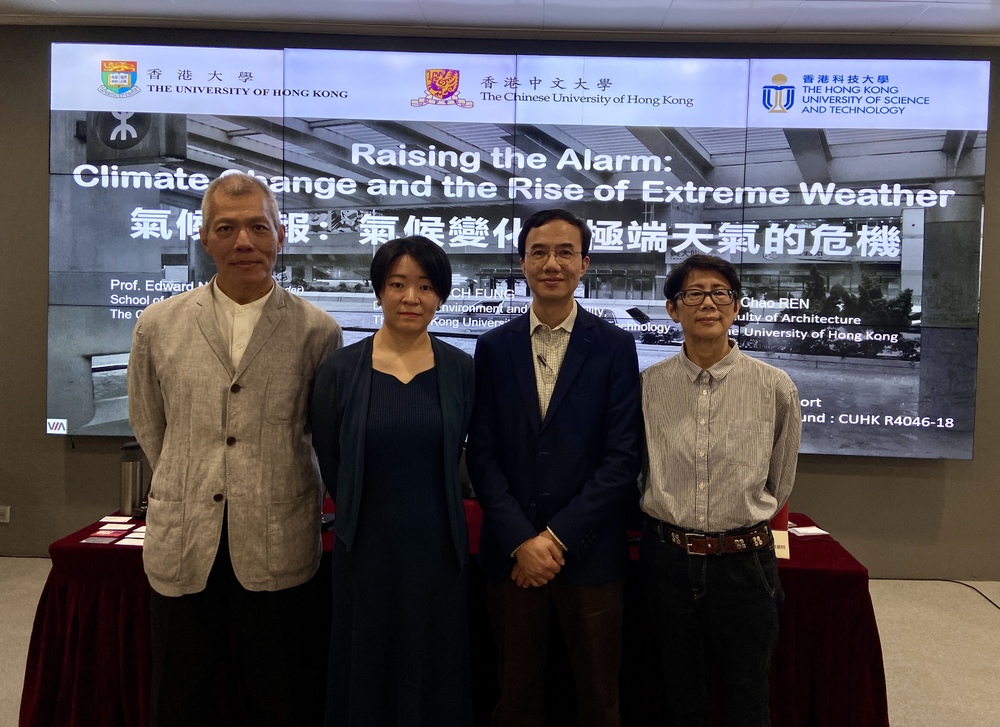
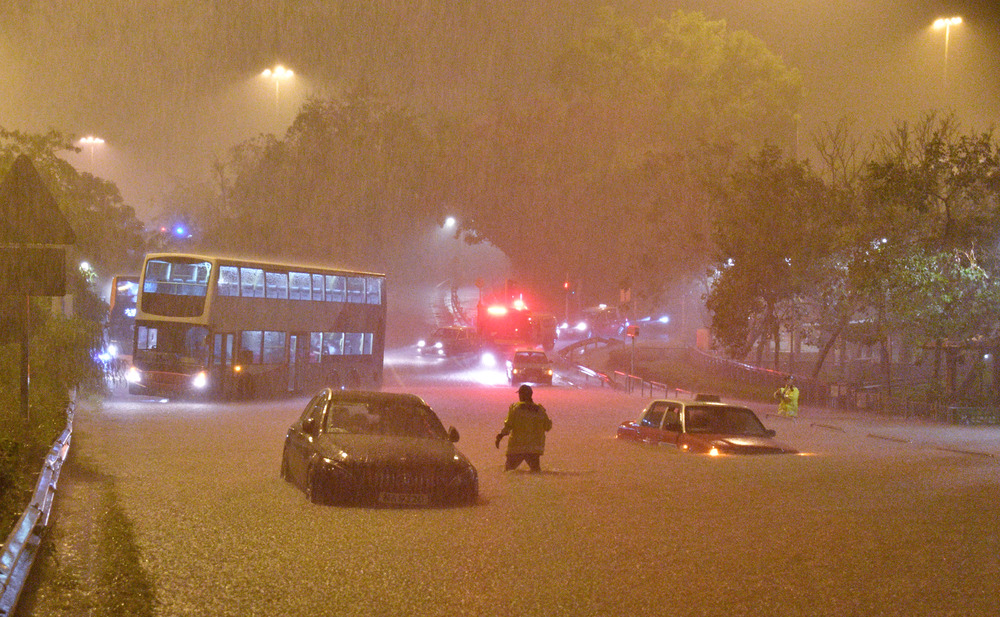
Hong Kong is expected to see more extreme rainfalls as high as 230 millimeters an hour - 40 percent higher than the "once-in-a-century" rainstorm that caused severe floods in September - between 2040 and 2049, according to a joint study by three local universities.
ADVERTISEMENT
SCROLL TO CONTINUE WITH CONTENT
Researchers at The University of Hong Kong, Chinese University and the University of Science and Technology also said the city may experience 50 percent more hot nights in the 2040s compared to presently.
According to a weather research and forecasting model alongside local urban environmental data, the study forecast that the intensity and frequency of extreme rainfalls may increase - with the overall rainfalls increasing 30 to 40 percent - which will result in more landslides and floods, said research leader Edward Ng Yan-yung.
"Although heavy rain generally has a shorter duration, it can be more destructive," added Jimmy Fung Chi-hung, chair professor in the department of mathematics and the division of environment and sustainability at HKUST.
"Floods, waterlogging and landslides can pose immediate threats to the safety of citizens, as well as have a significant impact on urban infrastructure," Fung said.
Ng said the priority is to enhance public awareness of the severity of extreme weather, including advising citizens to stay indoors and wait for heavy rain to subside and to keep clear of flooded areas and slopes.
In addition, the average number of hot nights - with the daily minimum temperature not falling below 28 degrees Celsius - in the SAR may increase from 32 days to 48 days annually in the 2040s.
The 10-year average of the longest consecutive number of hot nights yearly is also expected to increase from eight to approximately 10, with the maximum number of consecutive hot nights reaching as long as 15 days.
The team said the normalization of hot weather has significant impacts on livelihoods and public health.
HKU associate professor Ren Chao suggested the government allocate more medical resources and enhance community services in accordance with the varying degrees of heatwave impact in the different districts, as the elderly and individuals with chronic illnesses are more susceptible to heatstroke and cardiovascular disease during prolonged extreme heat.
The team also urged the government to take a more proactive approach in addressing various extreme weather crises, including formulating protocols to cope with extreme weather, implementing permanent support measures for the new normal, adjusting the plans for management of new infrastructure, and effectively coordinating different government departments.
They also urged citizens to reduce carbon emissions as part of a collective effort to address the challenges of climate change.
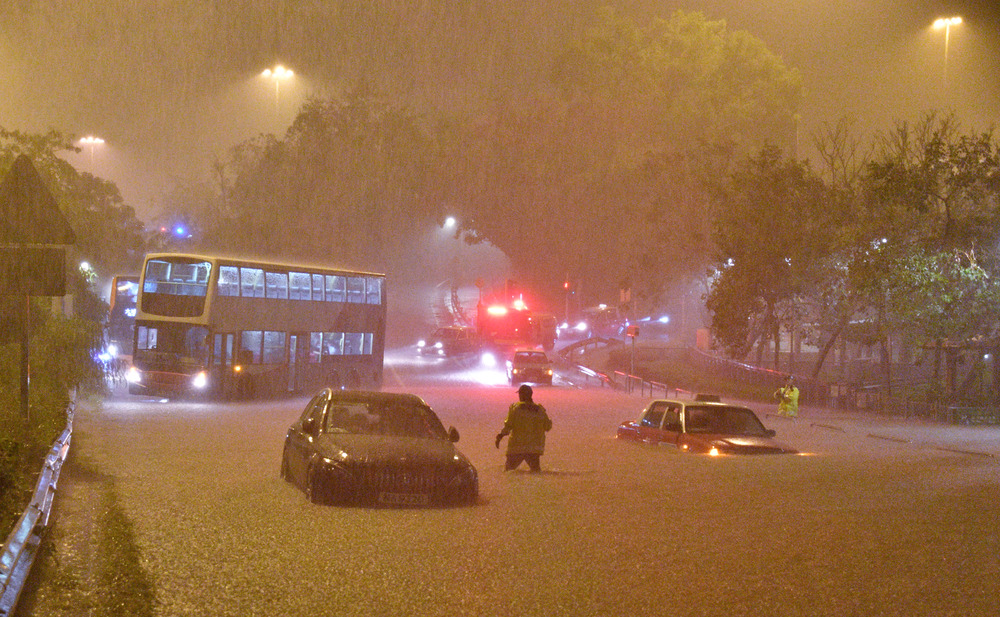
The joint study by three universities warned of downpours 40 percent worse than the rainstorm that caused severe flooding in September.