Read More
Restaurants and clinics could be breaching the Disability Discrimination Ordinance if they turn away people who have contracted Covid-19, the chairman of the Equal Opportunities Commission warned yesterday.
ADVERTISEMENT
SCROLL TO CONTINUE WITH CONTENT
Remarks from Ricky Chu Man-kin came two days after Hongkongers were allowed to go out and about without having to observe home isolation even if they tested positive for the virus.
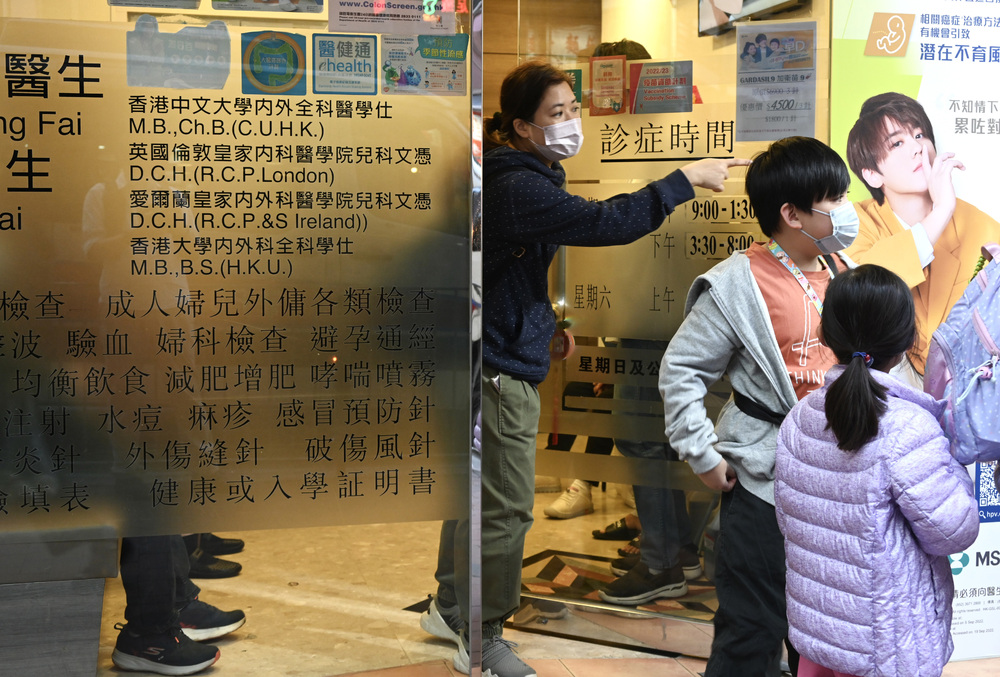
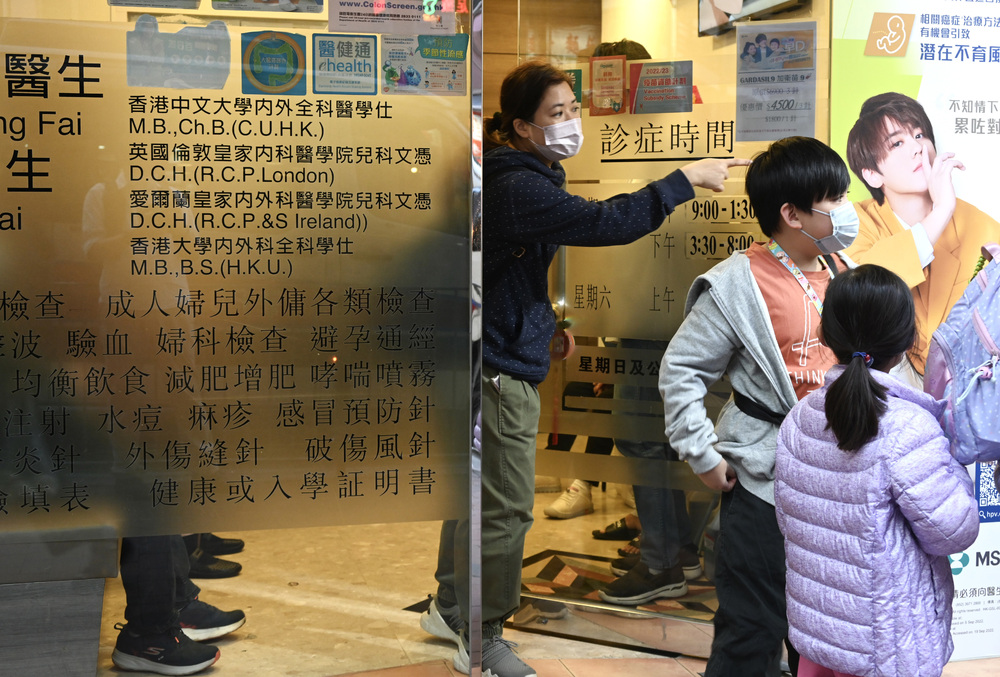
But that was met by some restaurant operators and private doctors balking at serving or attending to people with a Covid infection.
Chu went on television yesterday to warn: “If you refuse to serve [a Covid sufferer] it constitutes bad treatment for that person. And that fits the definition of discrimination in the ordinance.”
And to justify such bad treatment being meted out, he said, “a reasonable explanation must be provided.”
Some private doctors have rejected people with Covid, with one reason offered being that they have not partnered with health authorities to prescribe oral drugs for the coronavirus.
Whether that particular reason could be valid, Chu said: “Medical advice has pointed out Covid patients with mild symptoms may not require Covid medications. They can be effectively treated in similar ways as those contracting a cold and other upper respiratory diseases.”
But Chu admitted discrimination can be hard to define in various settings.
So he advised operators of eateries to use their common sense.
“What was the way of handling [situations] before the Covid pandemic? You should treat diners how you used to.”
The commission also said it has not received complaints from Covid sufferers about being barred from premises.
The watchdog had, however, received 360 Covid-related complaints and inquiries from April 2021 to September 2022.
A patient rights' group leader echoed Chu's comments and said private doctors shutting out people with Covid may breach professional conduct.
Alex Lam Chi-yau, chairman of Hong Kong Patients' Voices, said authorities have classified Covid as an upper respiratory tract infection, and he believed every doctor had training to treat it.
He also thought it inappropriate for private practitioners to use a lack of an oral Covid drug as a reason to reject someone.
They may not need a specific drug, anyway, he said. "There may be other medications to treat their illness."
Lam said people can file complaints with the Medical Council if they believe doctors have infringed upon their rights.
Some doctors have also reportedly charged Covid patients extra consultation fees, and Lam said that was wrong.
“Consultation sessions last more or less the same time, and drug prescription is similar between Covid and colds patients,” EOC chief said, so charges should not vary by much.
Meanwhile, government pandemic adviser Ivan Hung Fan-ngai backed calls for an independent probe into Hong Kong's response to the Covid pandemic, saying it would be more comprehensive than an internal review within the administration.
Hung said experts from Hong Kong, the mainland and overseas as well as representatives from care homes and private testing laboratories should also be invited to join an inquiry panel.
“The scope of review should be broader, to cover tests, contact tracing and hospital admission for elderly patients during the fifth wave,” he said. “We should also look at manpower and bed deployments at hospitals, isolation and border policies.”
Another government adviser, Wallace Lau Chak-sing, supported a review of anti-pandemic efforts.
But instead of pressing for an independent inquiry, Lau, who is the University of Hong Kong's dean of medicine, said authorities should think about how best a review should be done.
Asked if an inquiry committee should include third-party representatives such as judges and overseas experts, he said more discussion is needed on the composition of a review panel.