Read More





Night Recap - May 21, 2026
5 hours ago




ImmD crackdown targets moonlighting domestic helpers arresting 17
19-05-2026 17:52 HKT



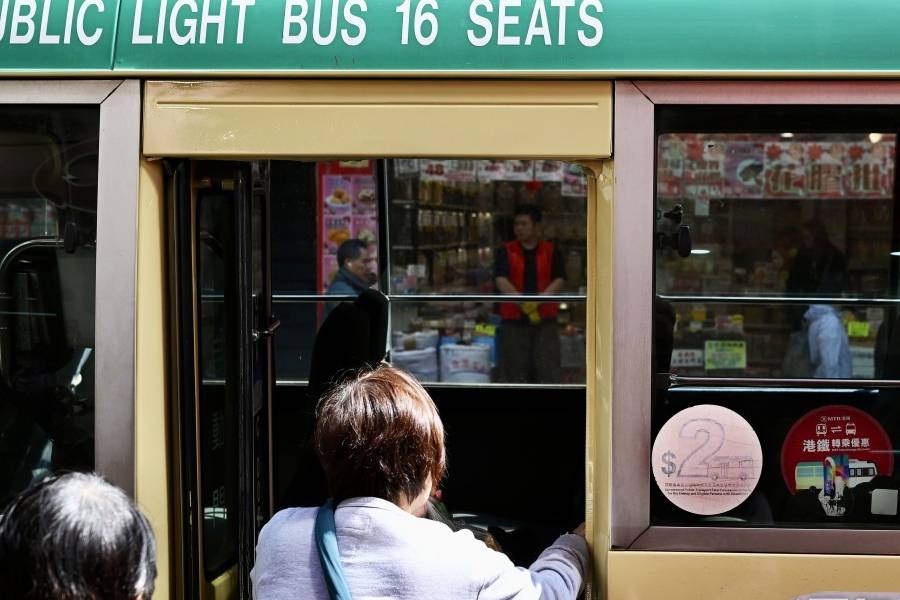
Hong Kong’s long-standing elderly transport subsidy underwent a significant structural change on Friday, shifting from a flat rate to a new tiered discount system that has sparked concerns regarding its impact on social mobility and the financial burden on residents in remote areas.
Legislative Council Panel on Transport Chairman Ben Chan Han-pan noted that the "HK$2 flat rate or 80 percent discount" adjustment represents a major shift in how seniors interact with public transit.
Under the previous long-term policy, elderly passengers rarely scrutinized individual trip costs, but the new arrangement requires them to be much more conscious of fare differences to save money.
Chan highlighted that residents of outlying islands would likely feel the greatest impact, as ferry fares under the new system will see a noticeable increase, leading to significant local dissatisfaction.
To mitigate these costs, he urged bus companies to expand sectional fare schemes, though he acknowledged that operators currently lack the financial incentive to do so without government intervention.
Concerns about the social consequences of the policy were also raised by social welfare lawmaker Grace Chan Man-yee. Speaking on the same radio program, she expressed worry that seniors living in the New Territories or on outlying islands might be forced to reduce their travel or compress multiple errands—such as medical appointments and grocery shopping—into a single day to minimize expenses.
While the government has launched educational campaigns to help seniors navigate the new fare structures, Chan emphasized that the policy should not discourage the elderly from remaining active in the community.
The sustainability of the subsidy remains at the heart of the debate.
While the government has stressed the need for fiscal responsibility, welfare advocates argue that the social value of elderly mobility is paramount.
Chan Man-yee suggested that if upcoming data shows that most users are not exceeding the 240-trip monthly threshold, the government should consider adjusting or even reversing the restrictions in the next phase of the program.