Read More






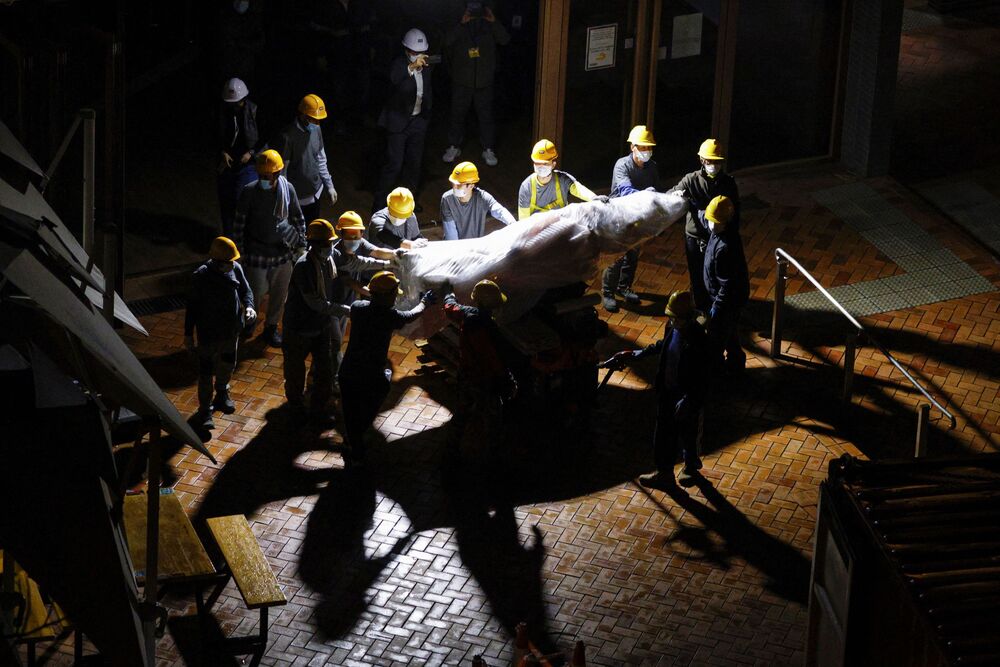
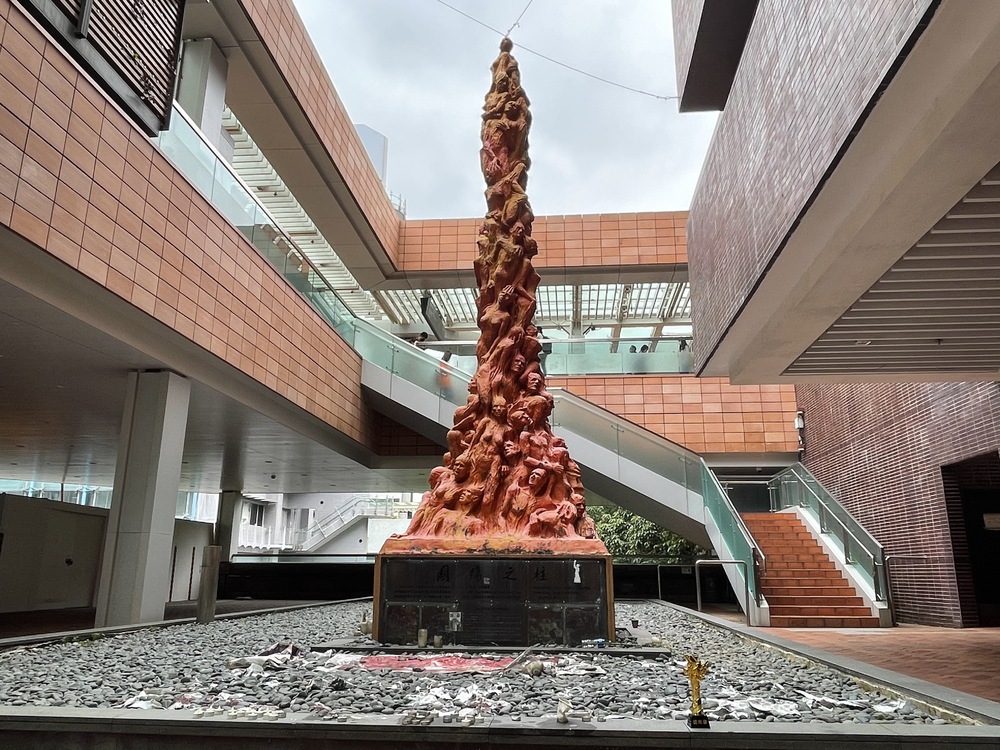
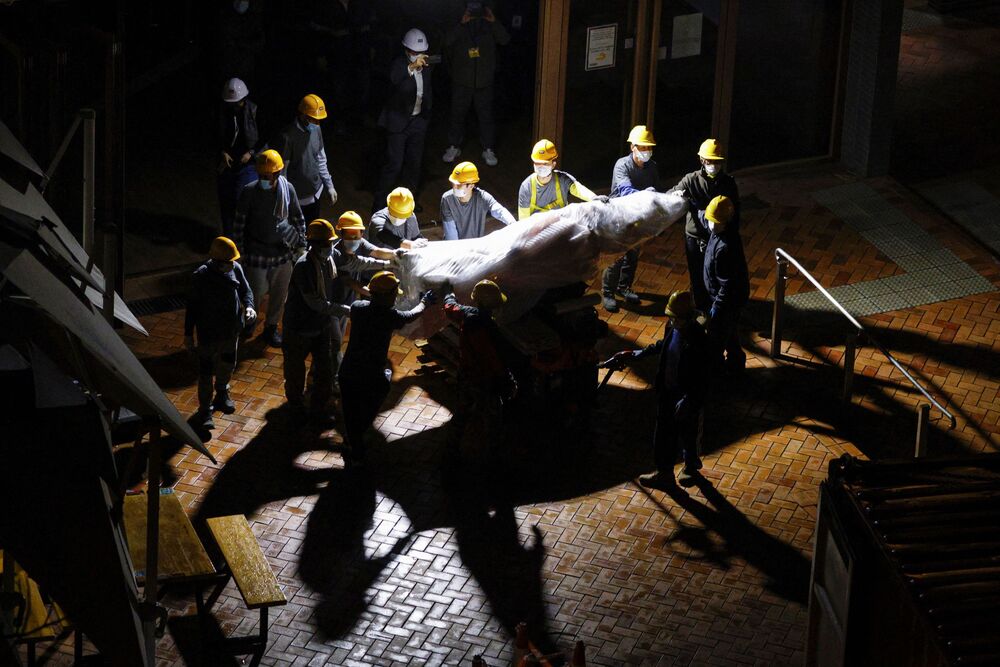
The University of Hong Kong dismantled and removed the Pillar of Shame - an orange copper sculpture commemorating the 1989 Tiananmen Square crackdown - from its Pok Fu Lam campus in the early hours yesterday.
It did so without warning or a formal notice, with university authorities citing legal risk and possibly safety.
The beginning of the removal of the 7.9-meter sculpture commemorating Tiananmen victims, which had stood in the campus for 24 years, was first spotted by the HKU student newspaper Undergrad at about 10pm on Wednesday.
That was when security barriers were erected around the sculpture and loud noises were heard until past midnight.
The sculpture, in fact, was broken down into large pieces and wrapped in white cloth before being taken to the university's Kadoorie Centre in Shek Kong near Yuen Long.
The HKU council said in a statement yesterday morning that in a meeting on Wednesday members agreed to remove the sculpture from the campus.
"No party has ever obtained any approval from the university to display the statue on campus," it said, "and the university has the right to take appropriate action to handle it at any time."
The council said the latest legal advice was that continued display of the statue posed legal risks to HKU based on the Crimes Ordinance.
The university was also concerned about the "potential safety issues resulting from the fragile statue" and the council requested it be put in storage pending further advice and action.
Undergrad cited sources as saying HKU would store the statue in a safe place while arranging for the owner to retrieve it.
The sculpture's creator, Danish artist Jens Galschiot, now 67, said he was "totally shocked" at the university action, claiming it was "destroying" his work.
It was "completely unreasonable" action against private property, he said, and he had been trying to reach out to HKU since October, when the university sent a letter to the statue's "manager" - the now-dissolved Hong Kong Alliance in Support of Patriotic Democratic Movements of China - asking it to remove it from the campus.
"But it has been completely impossible to get in touch with them," Galschiot said, though he had offered to come to the SAR with a team to take away the sculpture.
"It is my private property and the sculpture belongs to me personally," he said.
Galschiot then demanded HKU take care of the sculpture and said he will "claim compensation for any damage" to it.
Later yesterday Galschiot said he has contacted the Danish government, asking it to help protect the statue and sought to have the SAR administration retrieve his artwork.
The pillar was one of his most important artworks and he was sad it was "brutally taken down."
On flying to Hong Kong to retrieve the sculpture, he went on, that could only happen if authorities promise they will not arrest or prosecute him under the National Security Law, for he has publicly criticized the human rights situation in the mainland.
The HKU council's undergraduate student representative, Wong Ching-hin, noted that members in a Wednesday meeting voted for the statue's removal from the campus, but "I never thought they'd rush to take it down immediately."
Wong noted that the pillar was based on a real event and had stood on the campus for over two decades and some students who witnessed the removal were in tears.
Students had divided opinions on HKU's actions.
Among them, a mainlander studying for a master's degree said the statue's display on the campus drew an "unnecessary spotlight and discussion that could be unhealthy" for social stability.
But another mainland doctoral degree student said HKU "had done a little too much" to remove the statue as it signified that only "one kind of ideology is allowed in Hong Kong."
She added: "Hong Kong should be a place of freedom and a society is only healthy when it allows different opinions. I worry people may not be allowed to discuss June 4 publicly in the future."
Newly elected legislator Dennis Lam Shun-chiu, who is an HKU alumnus, disagreed the sculpture was dismantled in a rush and said the university had given a notice period to Galschiot on the removal.
He said the HKU chose to conduct the removal works past midnight to minimize nuisance to students and staff.
Another legislator, Tik Chi-yuen from the social welfare sector, said he understood HKU had the right to handle the statue, but the university should have thought twice before acting.
"I hope the university has thought about citizens' feelings or it could bring a backlash and disrupt social harmony," he said.
The Pillar of Shame action turns the spotlight on another statue - the Goddess of Democracy at the Chinese University of Hong Kong's Sha Tin campus.
jane.cheung@singtaonewscorp.com