Read More



Night Recap - September 4, 2026
1 hour ago




Louis Koo and production house sued for $149 million over unpaid loan
03-09-2026 17:07 HKT

Leslie Cheung 70th birthday exhibition brings the legend back to fans
03-09-2026 19:26 HKT
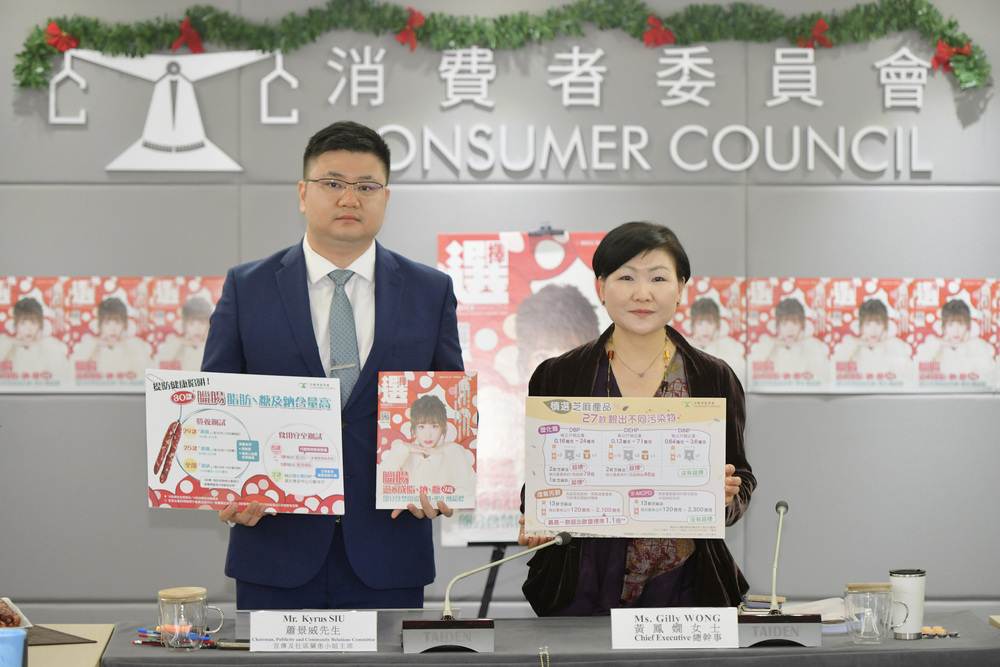
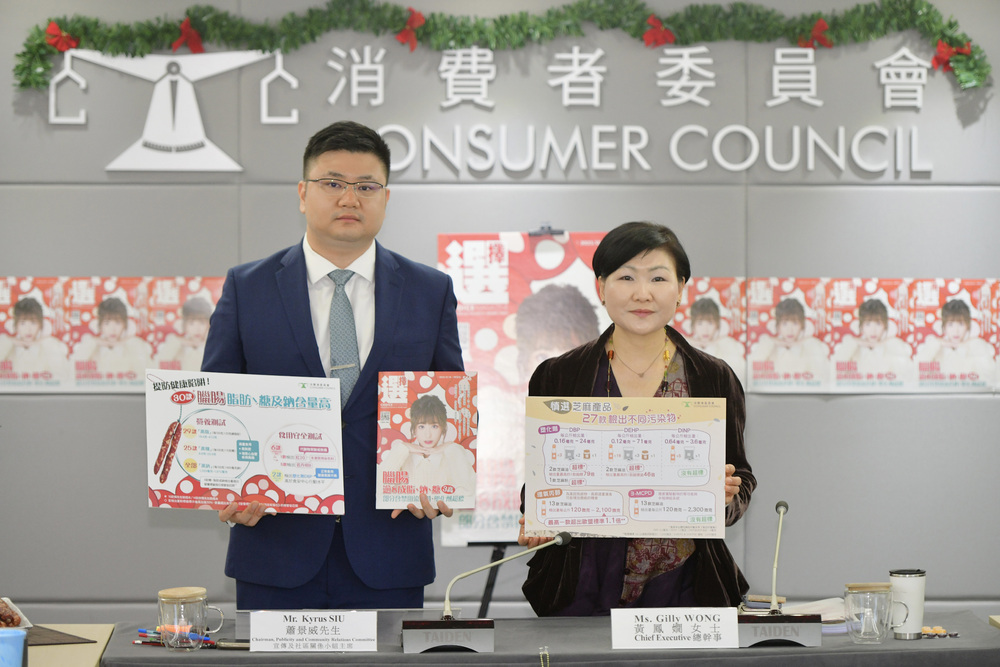
People should be aware of the health risks of eating too many Chinese sausages, the Consumer Council warned as it found most of them were high in sodium, fat and sugar.
It tested 30 samples, including prepackaged and non-prepackaged ones, and found all of them to be high in sodium and 80 percent high in sugar.
All samples contained sodium content ranging from 1,258.5 to 1,971 milligrams per 100g, or one to 2.3 times higher than the Centre for Food Safety's 600mg standard for what it considers as high-sodium foods.
Over 80 percent of samples had sugar contents higher than 15g sugar per 100g - the high-sugar benchmark - with the highest being Wing Wah's dried sausage selected preserved meat sausage at 25.9g sugar per 100g.
A total of 29 samples were high fat, including those labeled as "lean" to entice consumers who tended to go for Chinese sausages with low fat, the watchdog said.
The head of its publicity and community relations committee, Kyrus Siu King-wai, urged restraint when eating Chinese sausages, as their high sugar, fat and sodium levels could lead to heart disease and even cancers.
"Excessive intake of fat may increase the risks of heart disease, obesity, hypertension and even cancers," Siu said.
Too much sodium, he said, can lead to strokes and cardiovascular diseases.
Chief executive Gilly Wong Fung-han said the sausages should be washed before cooking to reduce sodium and sugar levels.
"Sodium and sugar can dissolve in water, so at least it will help a bit," she said.
People were urged to pour away water left over from steaming sausages, as some like to use the fatty water to cook rice.
They should also remove strings used to tie sausages before cooking to prevent the coloring in the string from contaminating the sausage, as the council has detected carcinogenic coloring matters in some samples.
It found banned coloring agents in six non-prepackaged sausages, with one containing Red-2G, which can lead to cancer and has been banned from use in food in Hong Kong since 2008.
The other five contained Rhodamine B, a banned coloring matter that can make people dizzy and sick.
For its part, the center, after announcing seasonal test results on lap mei, urged people to abide by a balanced diet and avoid excessive consumption of the cured meats due to their high sugar, fat and sodium content, as well as the potential cancer risk.
"Infants should avoid consuming lap mei while for young children, the intake of lap-mei should also be restricted," it added.
The council also conducted tests on 35 sesame products such as oil, powder and pastes. It found plasticizers in four samples exceeded the European Union limits, with one sesame oil sample exceeding the limit by as high as 79 times.