Car drivers are getting increasingly inconvenienced by the closure of public car parks. After the pulling down of the car parks at Murray Road and Middle Road, the iconic Yau Ma Tei Carpark Building is now closed to make way for the Central Kowloon Route.
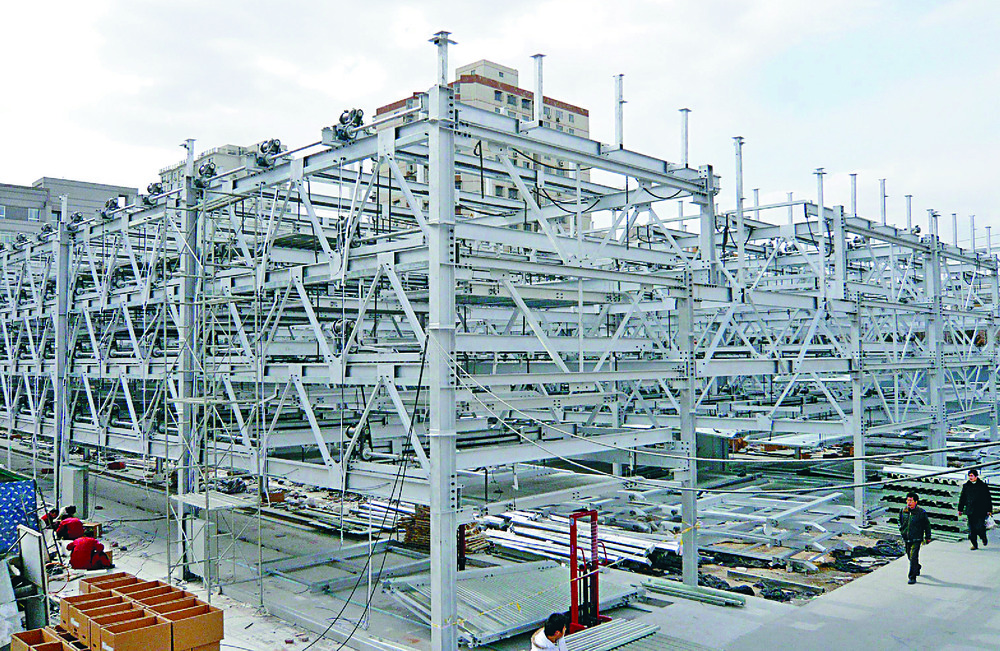
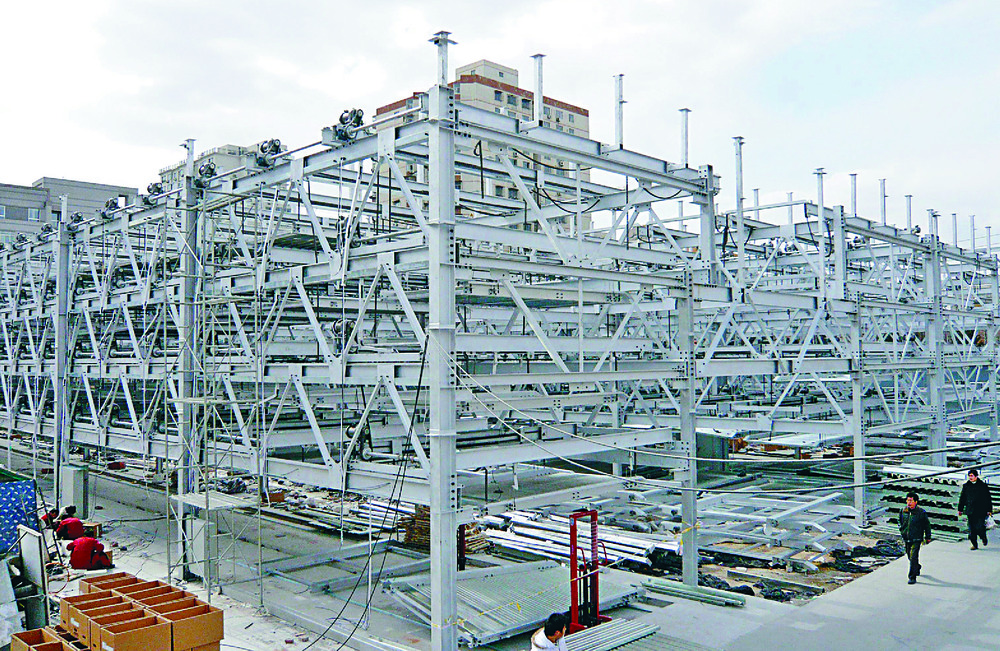
Provision of car parks in a congested city is always a difficult task and in many cities, the use of mechanized car parking allows a much more flexible use of the land space and has been seen to solve many car parking issues.
The Electrical and Mechanical Services Department of the Hong Kong government already has a Guideline for Mechanical Car Parking, which deals with the mechanical aspects of the system and includes details of the different types of mechanized systems, such as carousels and various lifting and sliding systems, already used in many overseas applications.
However, we have not yet seen a successful application of such a system in Hong Kong.
So why is that the case?
I can see a few obstacles - to start with, our land planning rules stringently control the total number of parking spaces in a building. Some of us have witnessed some public car parks try to provide double-stacked parking to increase parking spaces, but this was soon removed due to non-compliance with the planning provisions.
The second reason is the road congestion due to queuing. We have already seen the long queues of cars waiting to get into car parks on busy days. Eventually, the police has to chase them away to prevent blocking the already narrow roadways, causing massive traffic jams.
Imagine drivers taking time to drop and collect vehicles in the small holding area, waiting for so long for their cars to be sent away and retrieved. This is already happening in small multi-story car parks with vehicle elevators, but for large scale operations, the long queue at rush hour is unacceptable.
Car parks for overseas operations have a large yard outside to hold vehicles for delivery and collection, but in a congested city such as ours, if room were available for such holding areas, it would be used as extra parking spaces or for retail purposes, to earn more revenue.
A third reason is the way we use car parks in Hong Kong. Many of us go shopping with our cars and often return during the day to drop our shopping off in the car before continuing to proceed with our lunches or meetings. Many car owners also get their cars cleaned in the day while they are parked. Such practices do not mix well with stacked parking.
Another obvious reason would be the inability to charge electric vehicles when they are stacked randomly for space saving rather than proximity to power supply points. It will require a lot of labor before both charging and stack parking can be facilitated.
I have not even mentioned the reluctance of the car owners of expensive cars who are not comfortable leaving their precious cars to be handled by mechanical devices that shove and stack them at locations that they cannot see. If any damage occurs, they will find it most difficult to prove liability and seek compensation.
Until and unless the above hurdles are overcome, it seems that the application of mechanical parking in Hong Kong will remain a pipe dream for us.
Veteran engineer Edmund Leung Kwong-ho casts an expert eye over Hong Kong's iconic infrastructure
Mechanized parking like this one in Beijing remains all but a pipe dream for HK. XINHUA