Read More




World Cup 2026 reflects impact of mega events | High-flier | Jeffrey Lam
21-07-2026 02:05 HKT
What we bring: critical thinking | Human Reinvented | Frank Ng & Ryan Ng
21-07-2026 01:52 HKT



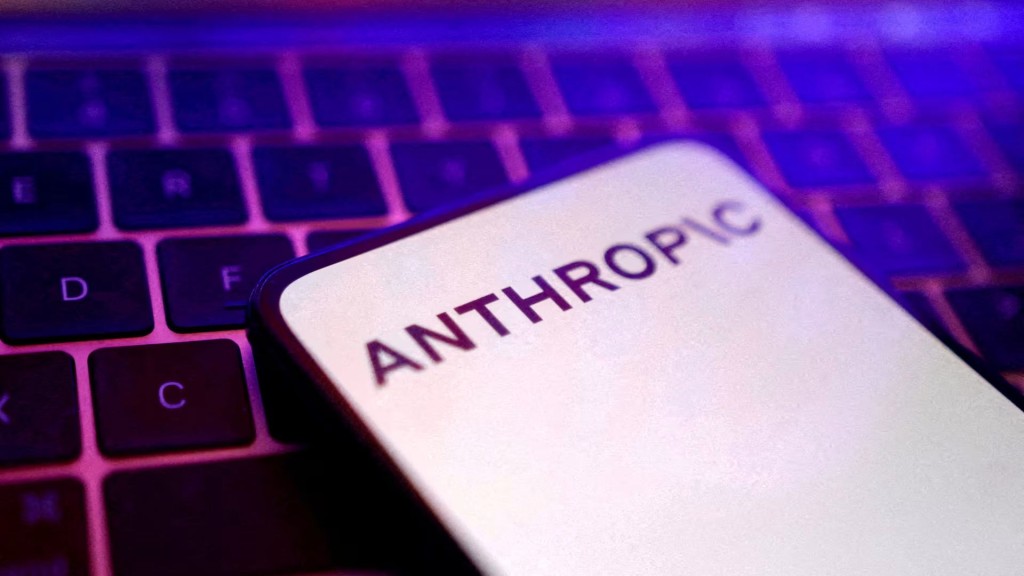
Market conspiracy theories suggest that the S&P 500 must remain supported until SpaceX’s initial public offering is completed before any meaningful correction can occur. However, the question is whether this argument truly holds. Besides SpaceX, other major companies that are widely expected to pursue IPOs this year include Anthropic and OpenAI. Does this imply that the S&P 500 can only decline after all of these companies have successfully gone public?
It is undeniable that Wall Street investment banks are eager to facilitate the IPOs of SpaceX, Anthropic, and OpenAI. As such, they naturally have a strong incentive to maintain a positive market environment. For example, JPMorgan chief executive Jamie Dimon had repeatedly warned about numerous risks facing the US financial markets in recent years. Yet more recently, he has devoted considerable effort to promoting the investment potential of SpaceX to clients while noticeably reducing the frequency and intensity of his market warnings.
However, even if major Wall Street banks are determined to keep the S&P 500 climbing to new highs while disregarding factors such as geopolitical tensions involving Iran, the global energy crisis, inflationary pressures, and the possibility of an artificial intelligence-driven asset bubble, a more fundamental question remains – does the market possess sufficient liquidity to absorb the enormous fundraising requirements of SpaceX, Anthropic, and OpenAI?
The scale of these capital raisings is unprecedented. SpaceX alone is expected to seek approximately US$75 billion (HK$587.6 billion) through its IPO. Market estimates suggest that Anthropic and OpenAI could raise as much as US$80 billion and US$100 billion, respectively. In addition, Alphabet recently announced a major share offering with a potential fundraising size of up to US$84.75 billion. Although Berkshire Hathaway has reportedly agreed to subscribe to US$10 billion of the issuance, Alphabet would still need to secure an additional US$74.75 billion from the broader market.
In other words, if SpaceX, Anthropic, and OpenAI all complete their IPOs this year and Alphabet successfully executes its share offering, these four companies could collectively absorb approximately US$350 billion of market liquidity within roughly six months. To put this figure into perspective, only the world’s 50 largest economies generate annual GDPs exceeding US$350 billion, while the GDPs of more than 140 countries remain below that threshold. This comparison highlights the immense pressure that the fundraising activities of SpaceX, Anthropic, OpenAI, and Alphabet could place on global capital markets.
More importantly, if inflation continues to accelerate, central banks around the world may be forced to tighten monetary policy and raise interest rates in the coming months, further draining liquidity from the financial system. Under such conditions, it is reasonable to question whether the market can genuinely absorb the combined fundraising demands of SpaceX, Anthropic, OpenAI, and Alphabet.
The real issue may not be whether Wall Street can keep the S&P 500 elevated until these companies complete their capital raising activities. Rather, it is entirely possible that the sheer scale of their fundraising requirements could become one of the factors that ultimately weighs on the S&P 500 itself.
Andrew Wong is a veteran independent commentator