Read More











World Cup 2026 reflects impact of mega events | High-flier | Jeffrey Lam
21-07-2026 02:05 HKT


Singapore mulls tax cuts as top finance professionals return to Hong Kong
25-07-2026 21:22 HKT


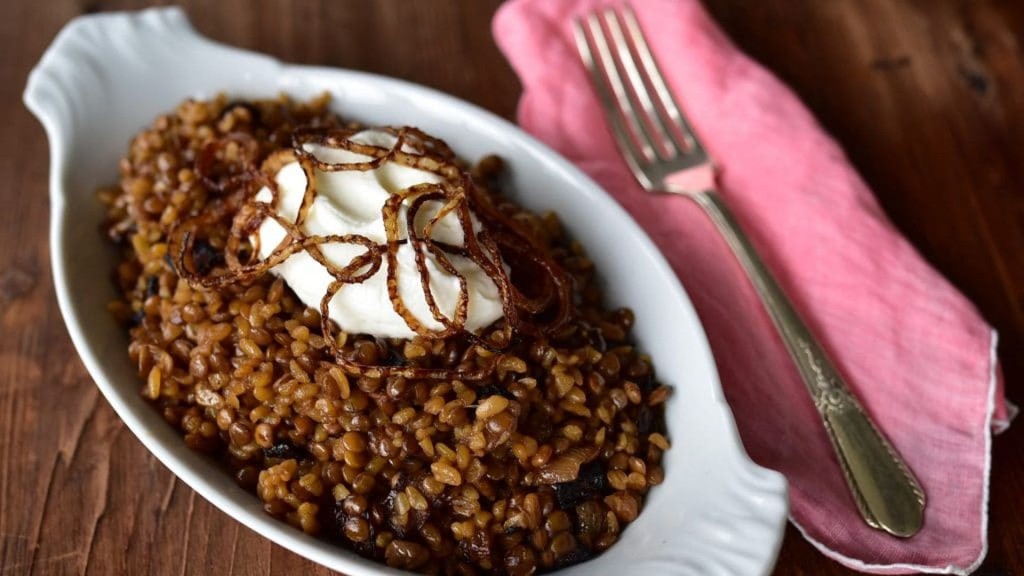
While Arab cuisine is celebrated for its rich array of meat and seafood, it equally boasts a vibrant abundance of vegetarian options. Legumes form the cornerstone of many regional recipes, serving as an affordable, healthy alternative to animal protein. Easily stored for long periods without spoiling, they are perfectly suited to the arid climates of many Arab countries.
These dishes naturally cater to the dietary practices of Eastern Christians. During their months-long fasts, which strictly exclude meat and dairy, they rely heavily on plant-based foods, with legumes taking center stage. One such savory delight is mujadara, a beloved staple in Syria, Jordan, and Palestine, and widely enjoyed in Iraq and Lebanon. At its heart, it consists of yellow or brown lentils and rice, beautifully garnished with crispy fried onions.
Mujadara is an ancient classic, first documented in an early 13th-century Arabic cookbook. Originally prepared with meat, it was later adapted into a vegetarian dish to suit the poor and meat abstainers. Some believe it evolved from the red pottage mentioned in the Old Testament. A similar dish, fakes moutzentra, exists in Cypriot cuisine.
Preparing mujadara is simple: soak a cup of lentils in lukewarm water for 4-8 hours, then boil for 15-20 minutes. Add a cup of washed rice, cooking everything together, seasoning with salt and cumin, adding cardamom and nutmeg for extra depth until tender. And finally, crown generously with oil-fried onions.
In Egypt, this classic transforms into koshari, an iconic street food. This popular version enriches the base with small boiled pasta and a tangy tomato sauce infused with garlic and vinegar.
Whether you choose the Levantine mujadara or the Egyptian koshari, both are wholesome and incredibly delicious. The ingredients create exquisite layers of taste that pamper your digestion and delight your palate. Savor the distinct flavor of each ingredient, or the magical symphony in every spoonful. Give this recipe a try!
Amjad Refai is the director of the Arabic Programme at the University of Hong Kong