Read More













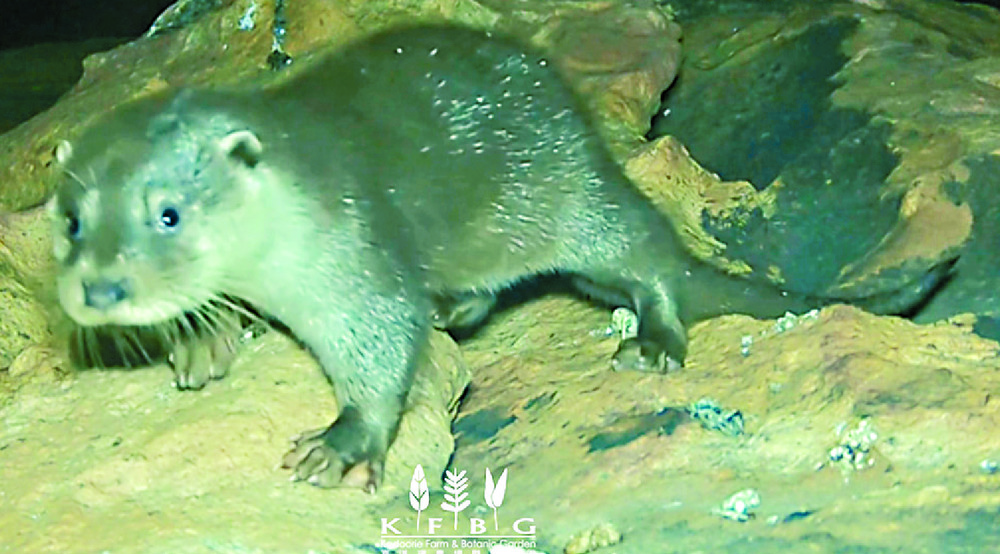
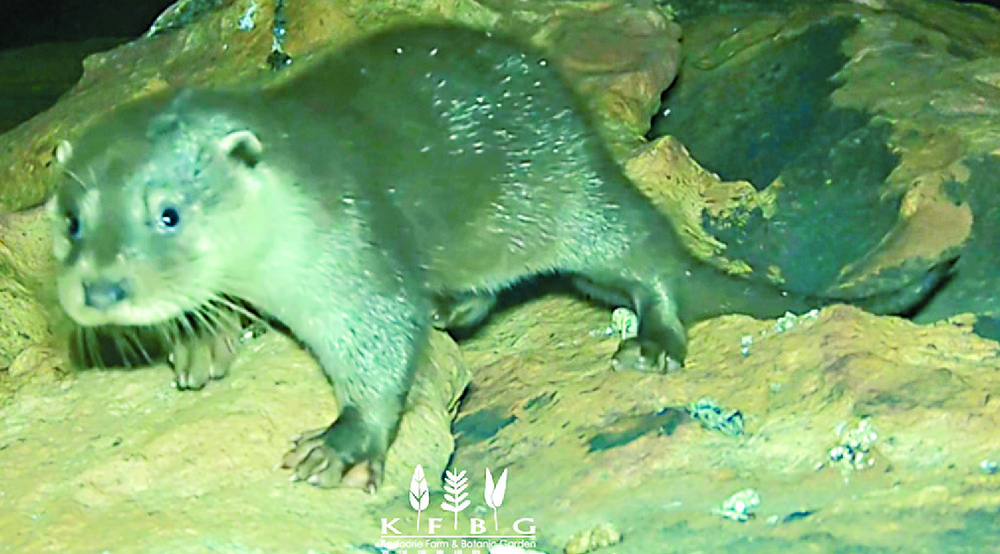
An exceptionally rare Eurasian otter is believed to be active in Sheung Shui, a research team at Kadoorie Farm and Botanic Garden declared yesterday after analyzing otter excrement located near the Ng Tung River.
"Eurasian otter feces typically contains fish scales and bones and has a strong fishy and grassy odor," Yang said.
Native to China, the Eurasian otter is classified as "near threatened" by the International Union for Conservation of Nature, indicating the species is at risk of becoming endangered in the near future.
The organization announced on Facebook that this discovery reaffirms the presence of Eurasian otters in the Deep Bay area and the Shenzhen River Catchment, following similar findings in Pak Nai in 2021."More encouragingly, this finding suggests that local otters can thrive along river channels near urban areas," the organization said.
However, Yang cautioned that planned developments for the Northern Metropolis could threaten the habitats of this rare species, as construction may disrupt nearby wetland ecosystems."Otters are highly adaptable, and as long as their food sources and habitats are preserved, they can survive," Yang said, urging the government to implement measures to control river pollution.
He also encouraged people to leave otters undisturbed if they encounter signs of their presence and to report these sightings to the organization for further study.