Read More









Shoppers prefer to buy local organic products despite higher price.
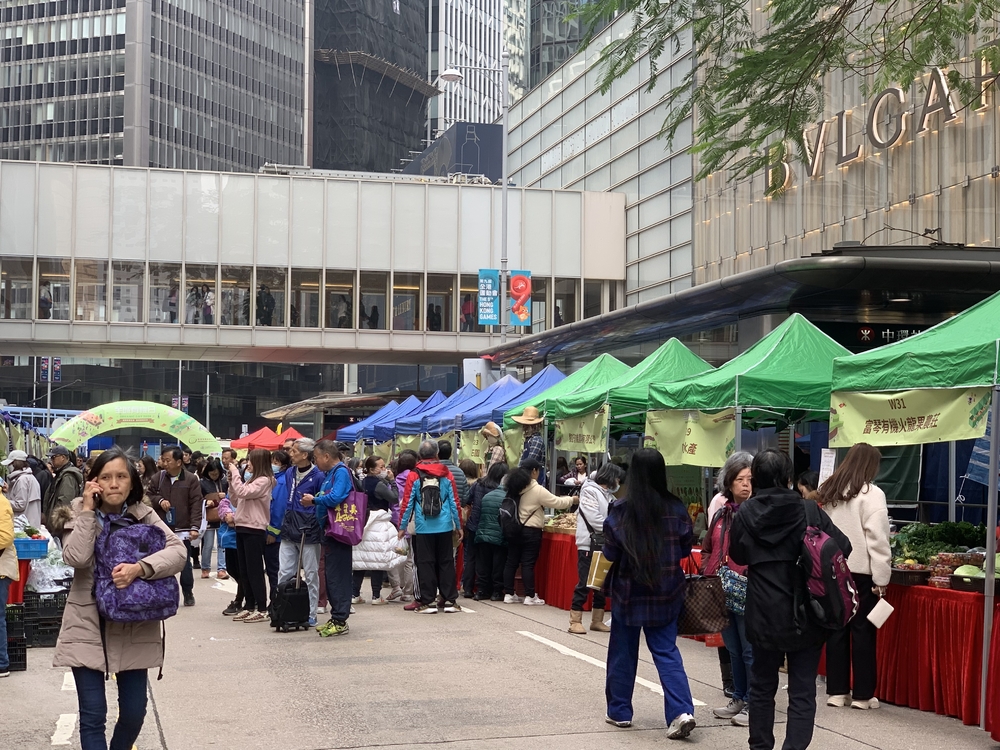
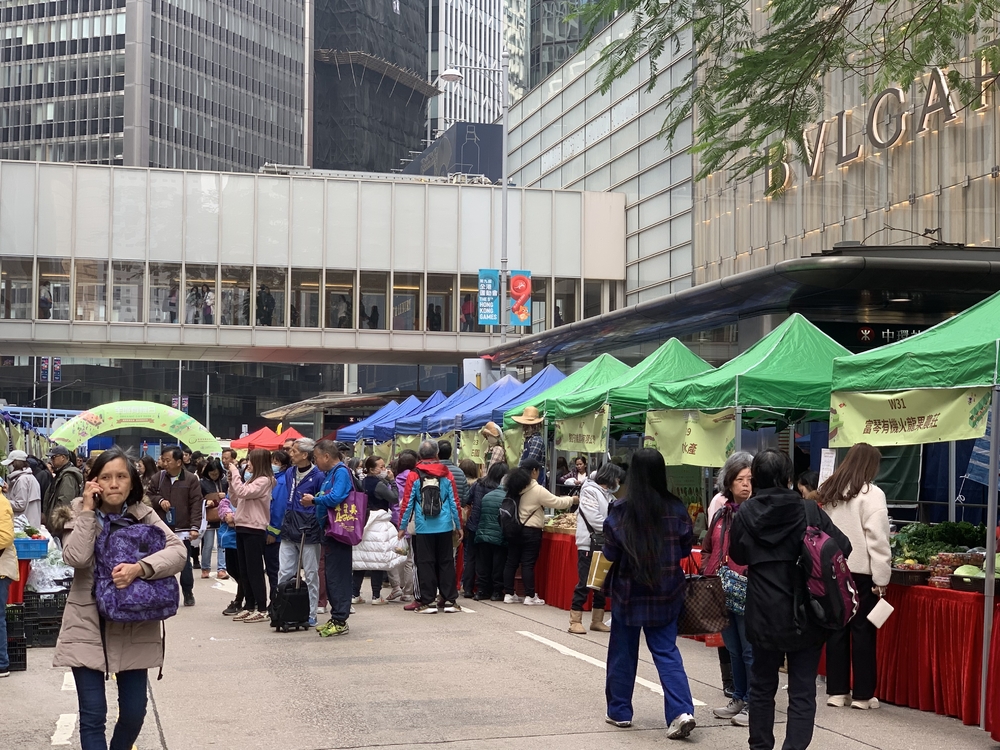
That came thousands converged on stalls set up by farmers and retailers in Central as part of Organic Day 2024 yesterday, attracting thousands of food lovers.
The event, organized by non-profit Hong Kong Organic Resource Centre, also featured workshops, games, exhibition booths and performances to promote an organic lifestyle.
People converged on Chater Garden and Chater Road to buy products such as vegetables, fruits, aquatic products and sauces.
One visitor, Lau, said she planned to spend HK$200 to 300 to buy organic food.
“I prefer to eat local organic food daily as it is healthier and more natural,” Lau said, adding that she has attended similar organic food events many times.
Another, Szeto, paid more than HK$500 for a few bags of organic food, and said the prices were acceptable.
“My wife asks me to buy organic food as she wants the family to have a healthier diet,” he said, “so whenever there is an organic food market or event, I need to go.”
Sally Cheung, who grows vegetables, herbs and edible flowers, said this was her first time at such an event, with her business faltering in the past three years, as many customers left Hong Kong amid the emigration wave.
However, she brightened up to add that “it’s already a success if we can make more people know about our farm in this event and open more customer channels.”
The center’s director, Jonathan Wong Woon-chung, said more and more Hongkongers have been switching over to organic products in the past 20 years.
He urged more steps to ensure agricultural land supply and narrow the price gap between organic products and conventional products.
Many organic food retailers have, except for the pandemic over the past three years, been seeing business thrive since 2003.
“The overall trend for local organic food consumption is upward, which shows people’s awareness of health and environmental protection has been rising,” Wong said.
He added that consuming more local organic products can help reduce the carbon footprint during transportation and suggested the government introduce a carbon tax on conventional products to increase their prices.
“Local organic foods cost two to three times that of their conventional counterparts,” he said.
“If they can be just 20 percent more expensive, it will encourage more people to buy them.”
Wong also called for “agriculture priority areas” in the Northern Metropolis that impose land-use restrictions to encourage owners to lease their agricultural plots.