Read More
China must fix its economy and let Hong Kong run itself if it wants a better future for the financial hub, former Morgan Stanley Asia Ltd chair Stephen Roach said, after a pessimistic column he wrote sparked an uproar."Beijing also needs to be more aggressive and transparent, underscoring its commitment to the 'one country, two systems' model," he added.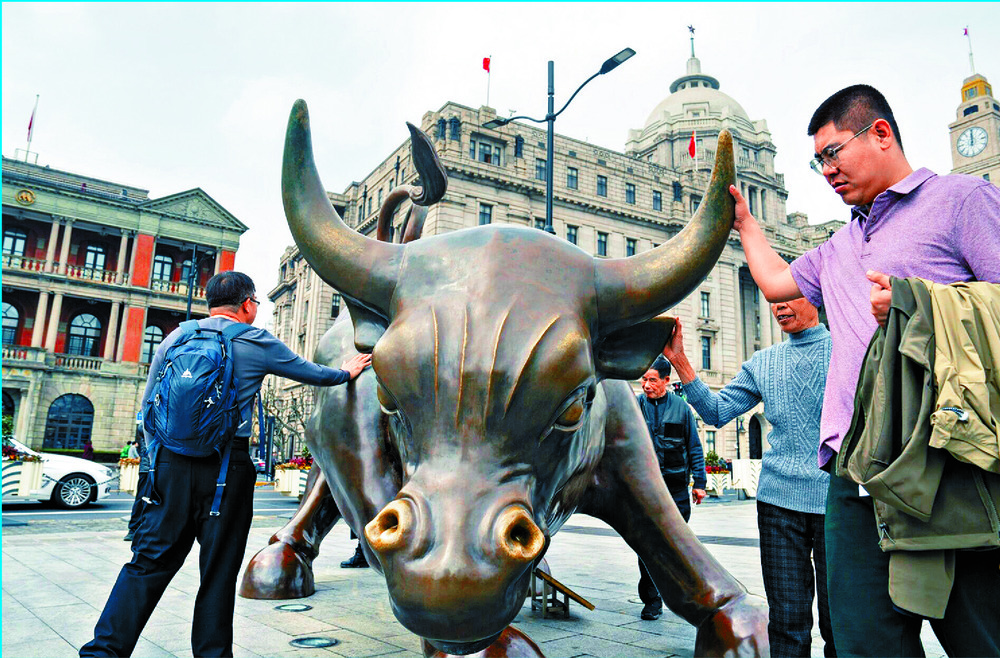
"The most important thing Beijing can do is, fix its own system," Roach, a senior lecturer at Yale University, told Bloomberg yesterday.
ADVERTISEMENT
SCROLL TO CONTINUE WITH CONTENT
Roach argued in a column for the Financial Times last week that Hong Kong's embattled stock market symbolizes the end of its economic success over the past two decades. The economist cited factors including Beijing's tightening grip over the city and rising US-China tensions.
"It pains me to admit it, but Hong Kong is now over," he wrote. "A city I once called home and have cherished as a bastion of dynamism has had the world's worst-performing major stock market over the past quarter of a century."
Roach's assessment triggered rebuttals from prominent figures in Hong Kong.
Laura Cha, chair of the Hong Kong Exchanges and Clearing Ltd, said she "fully disagrees" with the pessimistic view and blamed external factors for the market downturn. "From time to time people predicted Hong Kong has come to an end," she added. "We have always proved them wrong."In a letter to the FT, Regina Ip Lau Suk-yee, convener of the Executive Council, argued that the Fed's rate hikes and other US policies are the "root cause" of woes in Hong Kong equities. Chief Secretary Eric Chan Kwok-ki dismissed Roach's comments as "fear-mongering."
HSBC's chief executive Noel Quinn also disagreed with Roach and believes that the city remains resilient and will have strong growth.Fixing the long-term structural problems for the Chinese economy is no easy task, Roach said yesterday, and Beijing's moves to arrest issues like deflation and a housing slump have been "de minimis thus far."
Hong Kong briefly lost its place to India as the world's fourth-largest stock market earlier this year as global capital poured out of China.Beijing's stringent Covid curbs, persistent crackdowns on the private sector, the property crisis and geopolitical tensions have all combined to erode the country's growth prospects..
President Xi Jinping's government is seeking to strengthen economic ties between the city and mainland cities via the Greater Bay Area project to rival Tokyo and Silicon Valley.That is a China-centric "concept that allows Hong Kong to play one role when other cities like Shenzhen play possibly equally important, if not greater roles," Roach said. "Hong Kong is at risk of getting marginalized.".
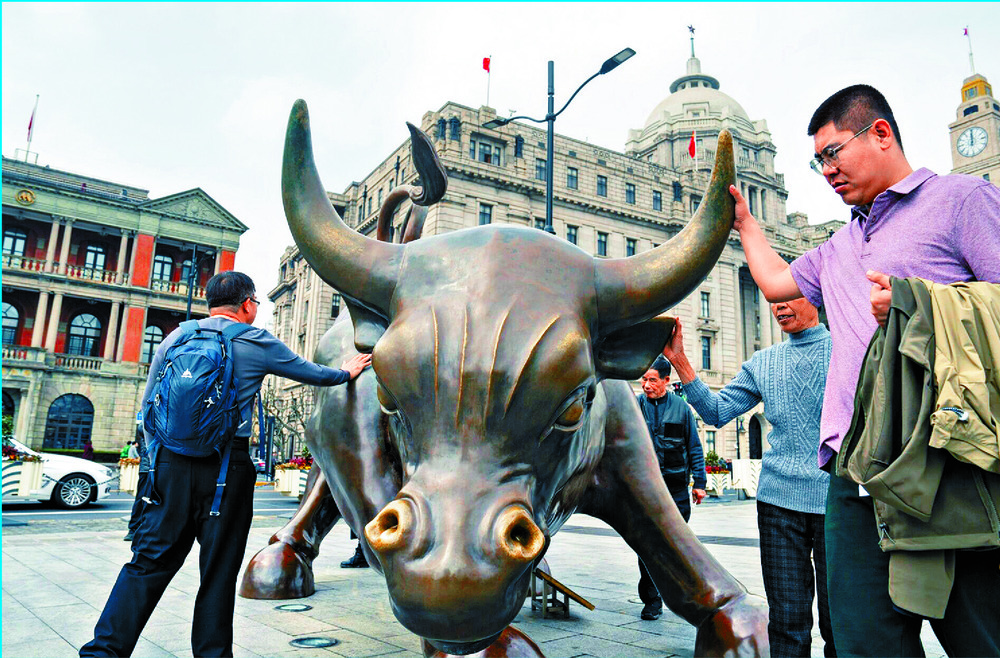
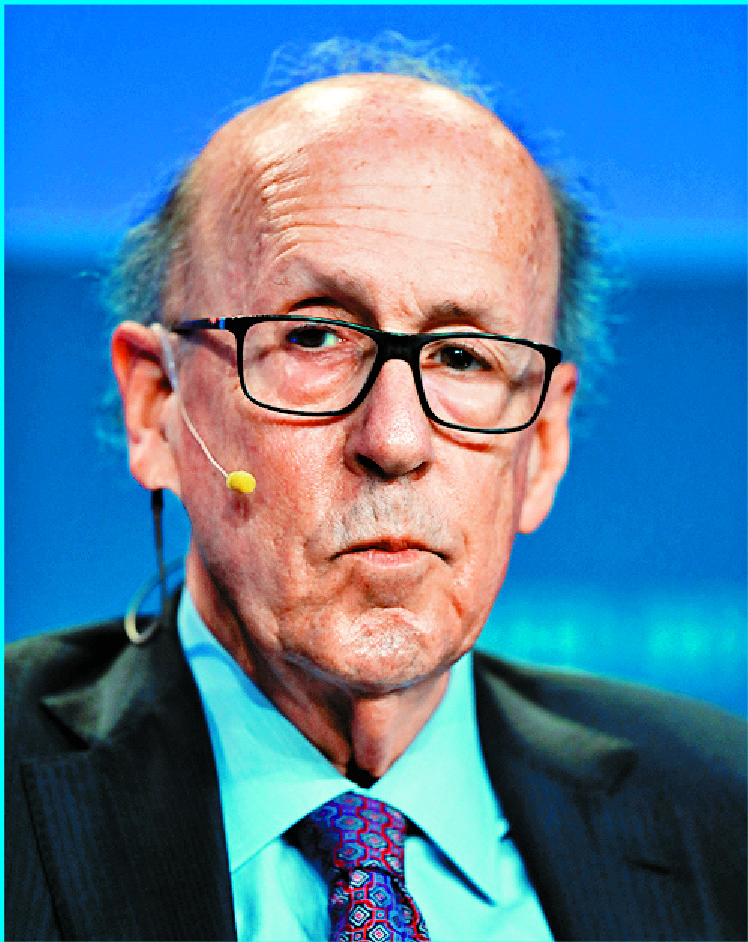
BLOOMBERGPeople touch the Bund Bull in Shanghai for good luck amid the economic gloom. Stephen Roach, inset, has a piece of advice for Beijing.
BLOOMBERG, REUTERS