Read More
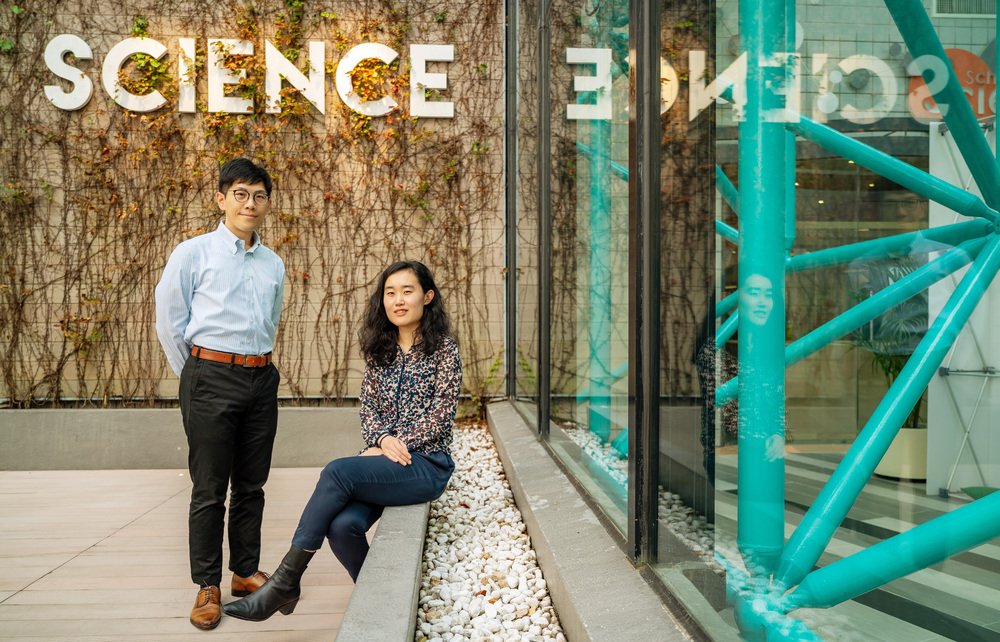
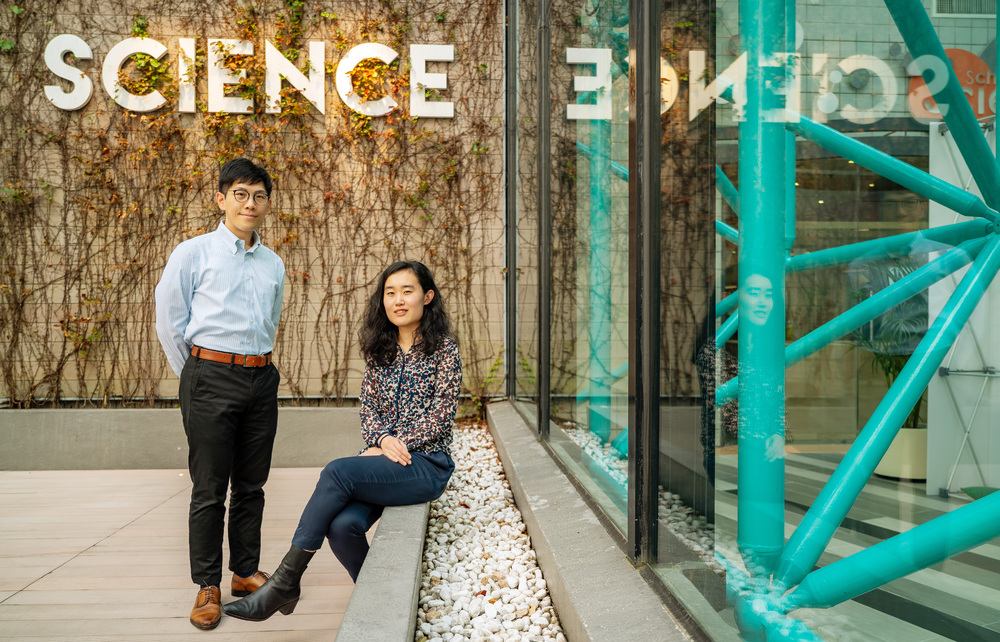
Two scholars from the Hong Kong University of Science and Technology received this year’s Croucher Innovation Awards and funding of up to HK$5 million for their research.
ADVERTISEMENT
SCROLL TO CONTINUE WITH CONTENT
In a sharing session at HKUST yesterday, assistant professor of life science Wang Lan said she was “fortunate” to get the award and that the funding would help her to buy new technical equipment and hire more researchers.
She is researching the mechanism how lesions of mitochondrion, which exists in most cells to release energy from food, can lead to diseases and hopefully, her study will help develop new drugs to cure mitochondrial disease.
Wang added that the award would be a “catalyst” to accelerate the process of achieving research results and to attract more young talents to her team.
“With the funding, I become less worried about the budget for my laboratory and can buy more advanced equipment, which can help me come up with good research results faster and the better scientific research results can attract talents to join my team.”
Another award winner is Adrian Po Hoi-chun, an assistant professor of physics who is researching quantum materials.
Po said he planned to use the funding to hire talents and specialists from different disciplines to build a diverse research team.
Po and his team are trying to monitor quantum materials through the use of existing computers and an algorithm, which hopefully could visualize their structures.
“Quantum materials lie at the frontiers of scientific research, and the public and the scientific community have a very limited understanding of it,” he said,
“therefore, the theoretical research in this area, including the development of frameworks and models is vital.”
He added that the study of quantum materials is also a key step toward producing room-temperature superconductors, that could be used in medical equipment such as magnetic resonance imaging scans, which have been widely used in hospitals to check body, and maglev trains in the future.
“For example, we could have a smaller- sized MRI scans with a smaller superconductive circle if room-temperature superconductors could be applied,” he said, adding that it could also help popularize maglev trains.
A total of four scholars from universities in Hong Kong received this year’s Croucher Innovation Awards in reward “for their talents as well as academic achievements that could compete in the international academic stage”.