Read More
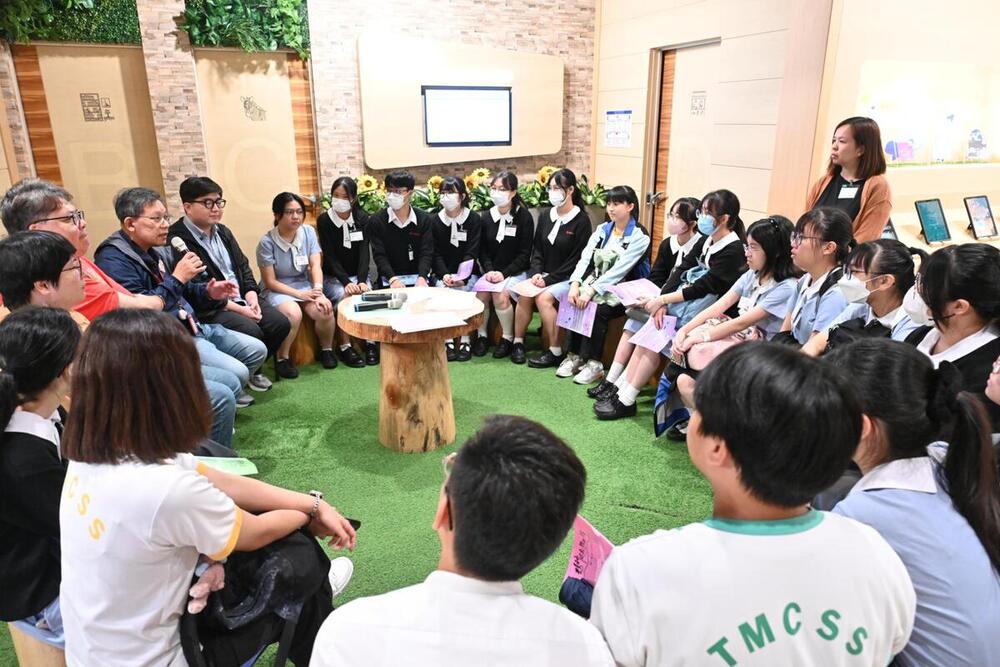
A mental health experience museum at Castle Peak Hospital recently gave a group of secondary students a unique opportunity to experience patients' symptoms with virtual reality technology.
ADVERTISEMENT
SCROLL TO CONTINUE WITH CONTENT
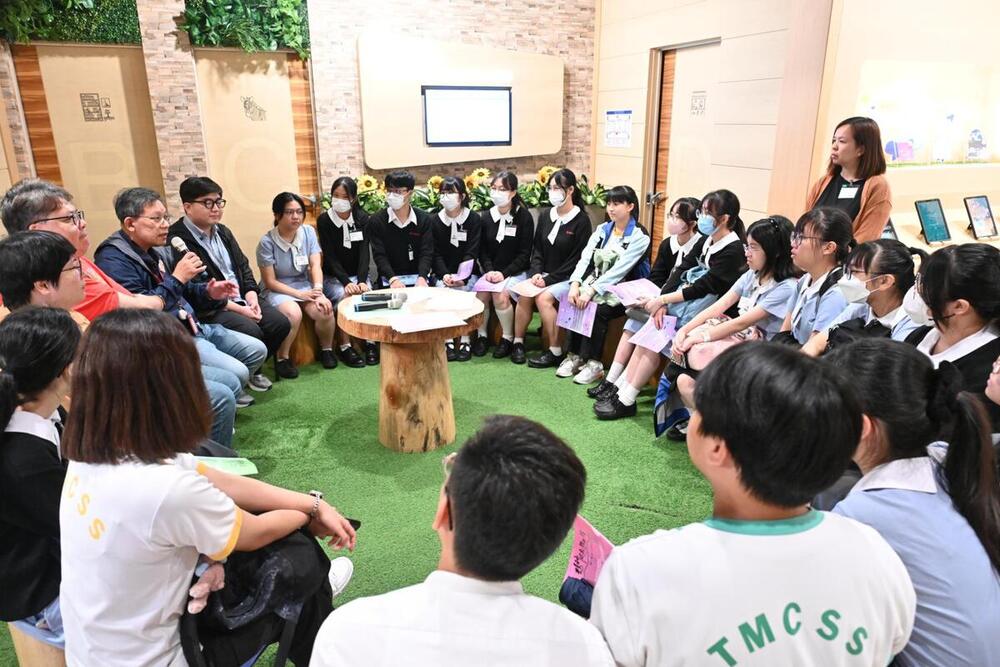
After registration and receiving patient wristbands, the around 20 students started their visit in Mind Space, the first mental health experience museum in the city, which opened in August.
They first entered the memory tunnel zone, where they learned the history of psychiatric services here, saw the evolution of medical equipment and explored a mock protection room.
They also learned the causes behind mental illness in the brain tour zone.
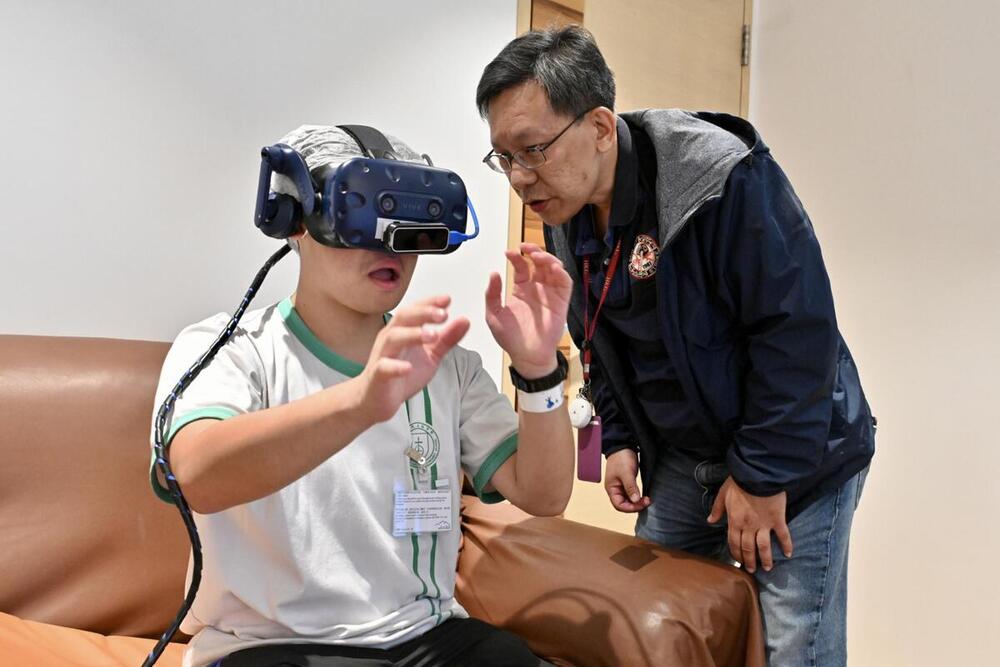
The part students found most exciting was experiencing the visual, auditory and tactile hallucinations that the mentally ill can experience with the help of VR technology in symptom experience rooms.
One student, Ho Hin-man, said it made her realize the extreme nervousness and worry patients felt when visual and auditory senses are significantly altered. "I knew patients' condition would affect their lives, but I underestimated how profound the impact could be," she said.
Another student, Chan Ngai-sum, said "it was an uncanny experience - something intangible yet vivid."
Peer support workers at the museum also shared experiences from when they suffered mental conditions with students.
Jecko, diagnosed with psychosis 20 years ago, said he used to encounter serious hallucinations such as hearing loud noises from pile drivers or even seeing a head popping up from a dehumidifier.
He said family support helped him a lot, and advised people to listen to patients when they share their experiences.
Another, Eric, who developed insomnia and had auditory hallucinations, added that it is vital to seek professional help and follow doctors' instructions. "Many families of patients gained comfort from us peer support workers, as we show them there are people who can recover, and so can their loved ones," he said.
Associate consultant Jane So Wai-lam hopes the museum can help eliminate stigma and biases.
"I hope those suffering from mental issues will seek professional help after visiting the museum," So said.
She hopes to teach the younger generations about mental illness as early as possible to increase their empathy.
The museum is distributing 700 free visiting quotas every month through online bookings and inviting more schools to visit to "enhance young people's understanding of mental health and mental illness. "