Read More











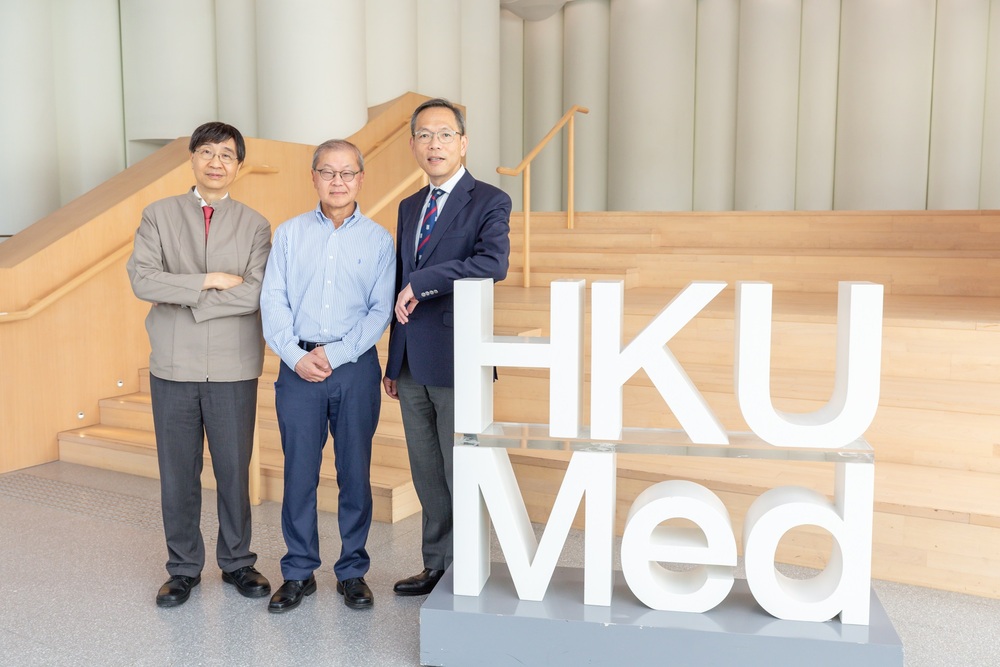
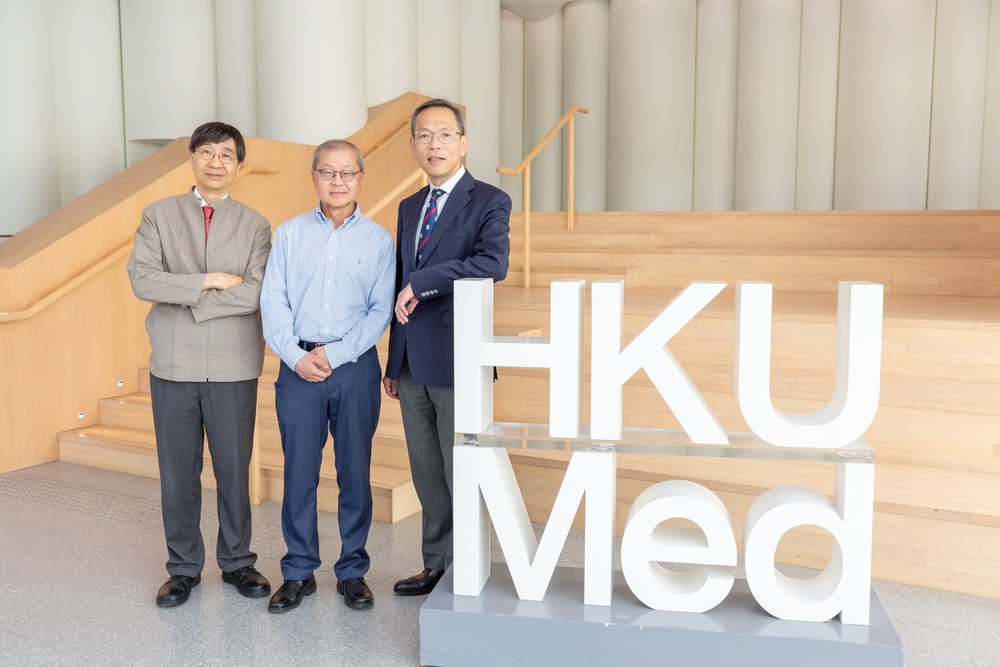
The next pandemic could be caused by bird and swine influenza viruses, said University of Hong Kong health expert Yuen Kwok-yung.
In a local newspaper article yesterday, Yuen, chair of infectious diseases at HKU's department of microbiology, and two colleagues, David Christopher Lung and Kelvin Chiu Hei-yeung, warned that the Covid-19 pandemic would not be the last major viral outbreak, with more emerging infectious diseases coming.
They called for strategic thinking on how to prepare and respond to outbreaks.
For them, influenza is, next to the coronavirus, the source most likely to cause the next pandemic.
Its viruses could originate from birds and pigs, and genetic reassortment could lead to severe infections and even resistance to antiviral drugs and seasonal flu vaccines.
They emphasized the importance of conducting high-quality scientific research and formulating rapid response plans, as well as continued epidemiological surveillance at local markets and border crossings.
HKU will also collaborate with scholars from different regions to keep tabs on emerging infectious diseases.
Commenting on the effectiveness of Hong Kong's Covid-19, the three said the SAR - in the first two years of the pandemic - never implemented a citywide lockdown or conducted mass testing but still managed to maintain a strict zero-Covid policy to create a safe environment for people, promote vaccination and build resilience against the virus.
Their call came as the Hong Kong Society for Infectious Diseases forecast a winter peak for both flu and Covid-19 infections.
Its president, Ada Lin Wai-chi, said "we anticipate influenza and Covid-19 cases to peak this winter. Therefore, we urge people with higher risks to monitor their health condition and seek help early if infected."
The government is currently procuring the new-generation XBB vaccines for Covid but a new wave of infections is expected to hit before the vaccines arrive.
An ongoing independent study of Covid diagnostics and therapeutics found that of 1,109 of Hong Kong participants classified as of high risk, only 30 percent believed they were at high-risk of developing severe Covid.
Lin said Covid patients who are older or have conditions such as hypertension, diabetes and obesity are "more likely to develop severe Covid and if they delay diagnosis and treatment, it will pose a threat to their health."
Meanwhile, Baptist University's School of Chinese Medicine found that 55 percent of Covid patients who sought treatment from its telemedicine center at the height of the fifth wave of the pandemic last year, continued to have at least long Covid symptoms for six months to a year after infection.