Read More



Night Recap - May 5, 2026
49 mins ago










Woman dies after fall from Wan Chai hotel, strikes female pedestrian below
04-05-2026 11:00 HKT
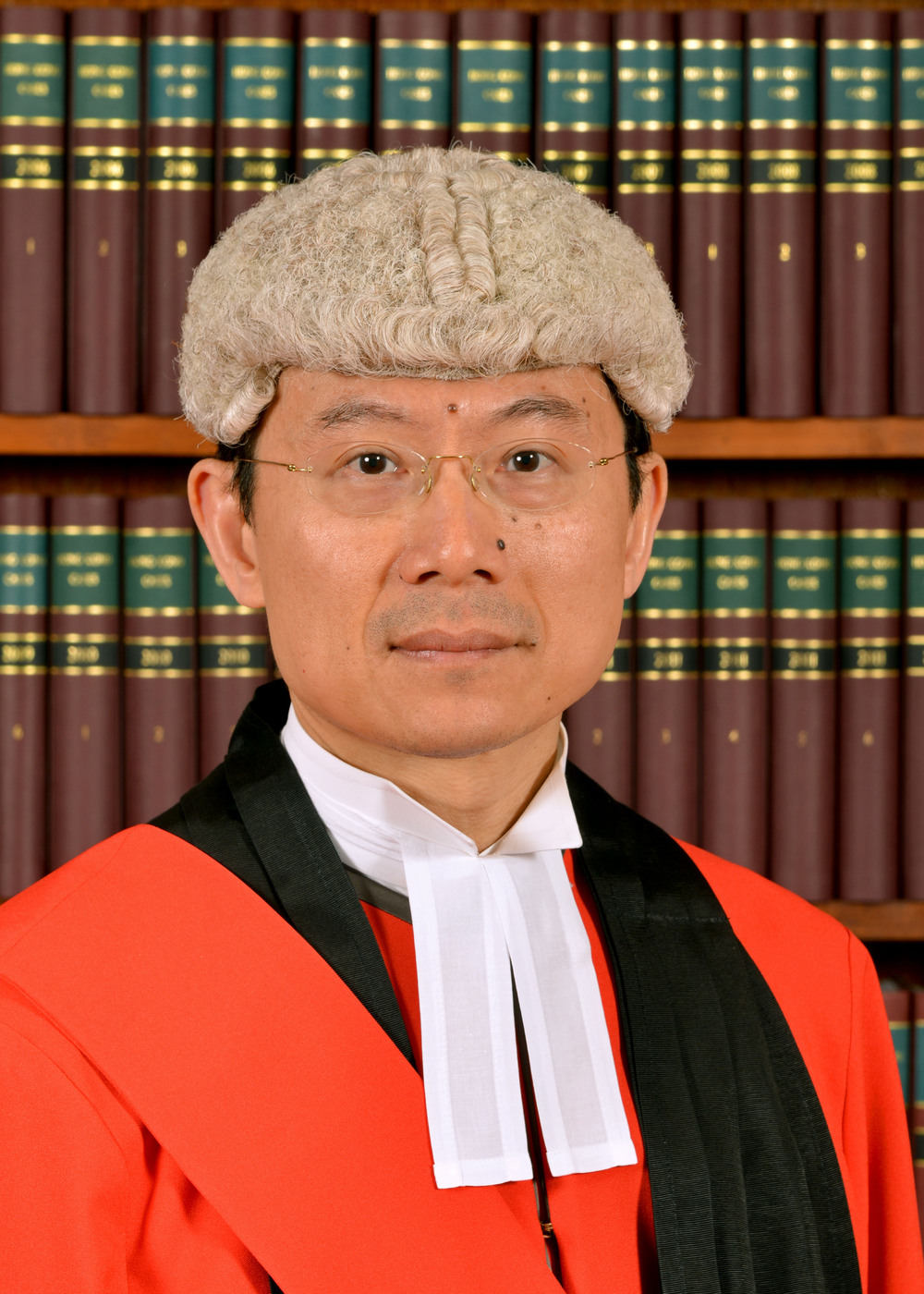
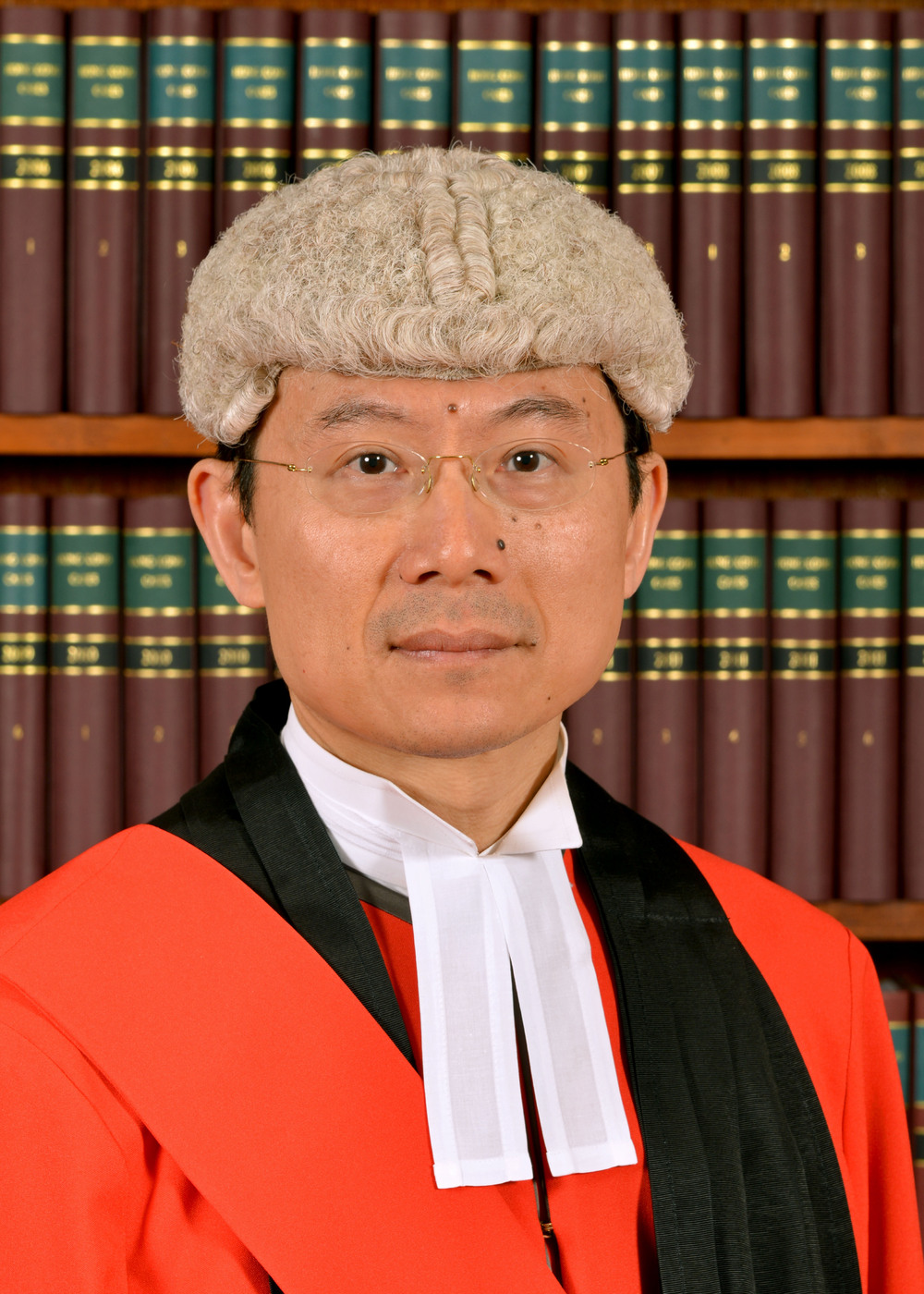
High Court judge Anthony Chan Kin-keung made a number of errors when refusing to grant an injunction banning people from using Glory to Hong Kong, the song associated with the 2019 social unrest, the Department of Justice said in its appeal.
The department said Chan erred in failing to give any or sufficient defense to the Chief Executive John Lee Ka-chiu’s assessment on the necessity, effectiveness and utility of the injunction.
As Lee had certified that the four acts relating to the song would pose national security risks and were contrary to the interest of national security, and the certificate would be binding on the courts according to the national security law, the department said Lee should be given the greatest weight and deference in national security matters.
“The learned judge was wrong to hold that the court is in a proper position as if it were in as good a position as the executive authorities to make the assessment in this respect,” the appeal said.
It also said Chan did not take into account the over-riding principle that national security was of the highest importance, which had to be followed when discharging the judiciary’s constitutional duty to effectively prevent, suppress and impose punishment for acts engendering national security.
Chan also failed to take the preventive nature, suppressive effect and facilitation in enforcement action of the injunction into consideration, the appeal said.
Even after the national security law took into effect in June 2020, the department said, the song was still widely circulated on the internet, and only a small number of people had been arrested and prosecuted, due to difficulties in investigation caused by web users uploading and reposting the song under a false name.
The department believed criminal prosecution and law enforcement could have only a minimal deterrent effect on those who commit the unlawful acts, but the injunction could prevent people from committing the four acts, and could address the public’s misconception that there were no legal consequences for broadcasting the song.
The department also believed there would not be any conflict between the injunction and the criminal regime, but “their co-existence, complementing each other and running in parallel will be more effective.”
The department also disagreed with Chan that enhancing education on the national security law would be more effective than issuing the injunction, as court orders were definitely more effective to prevent behavior endangering national security.
The department also disagreed with the “chilling effects” that Chan said it might have on the innocent, which would force them not to take part in legal activities involving the song for fear of the serious consequences of violating the injunction.
The department said the injunction was intended to prohibit acts that endangered national security and Chan did not need to consider whether the innocent would take part in legal acts with the song.