Read More



Night Recap - October 9, 2026
2 hours ago






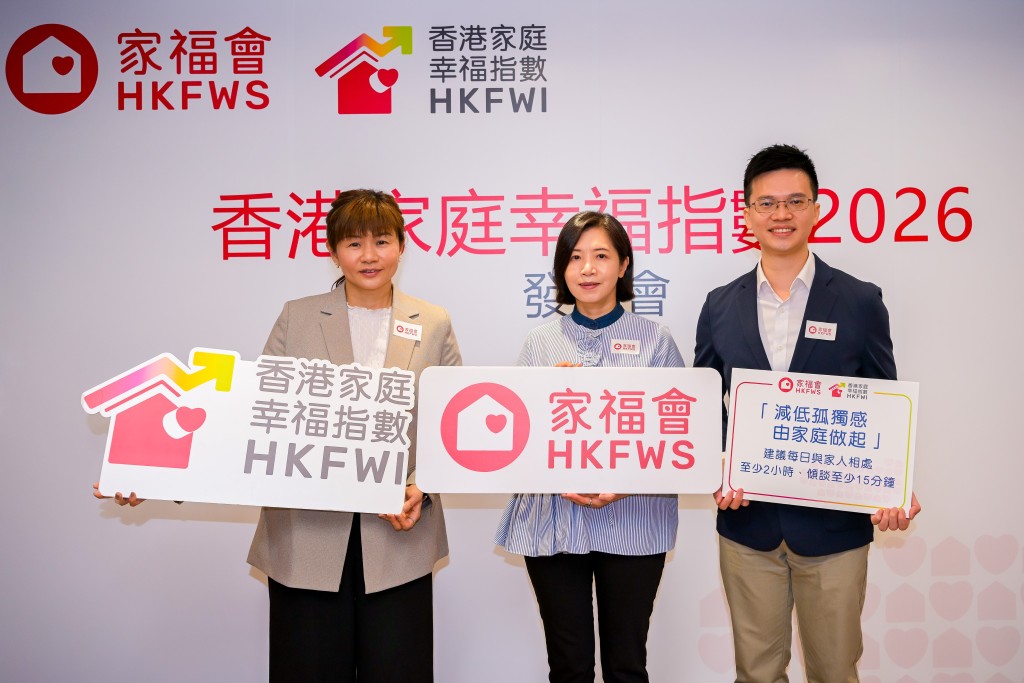
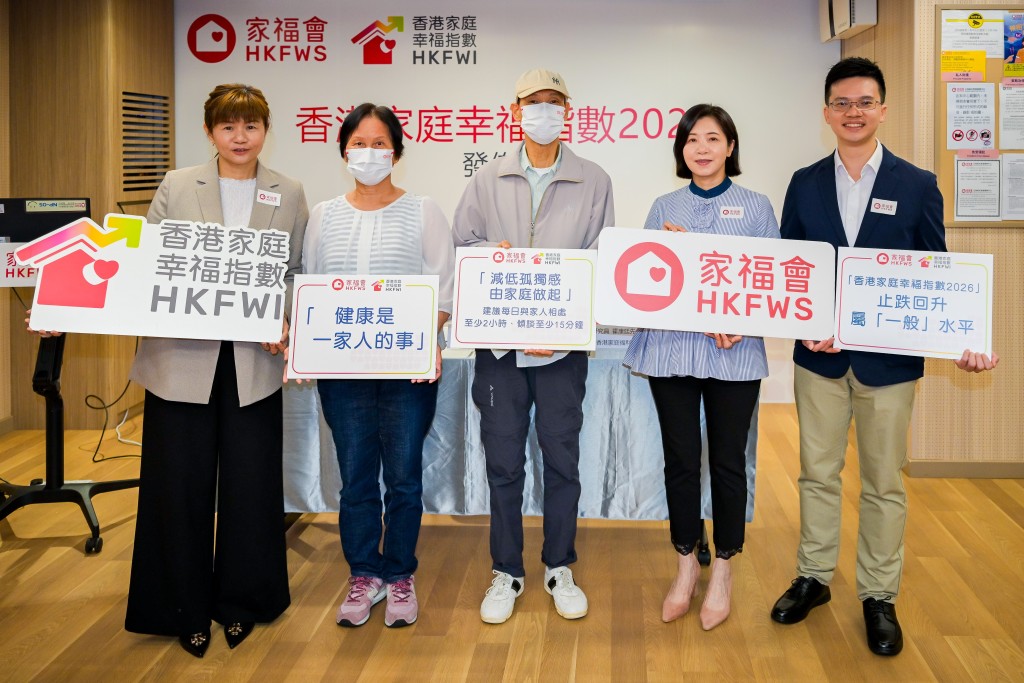
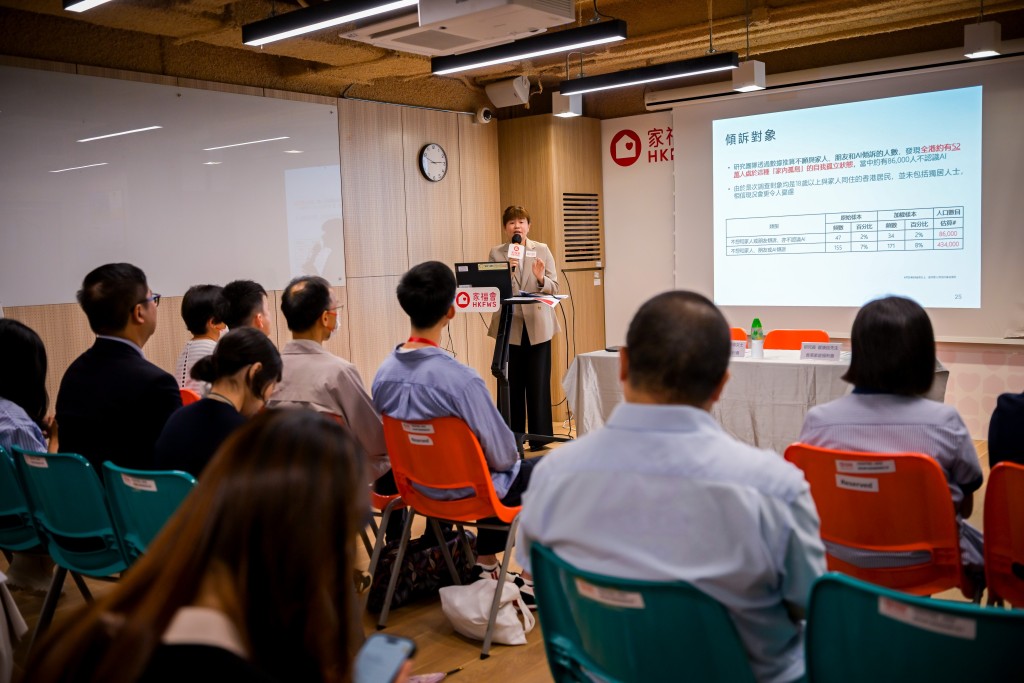
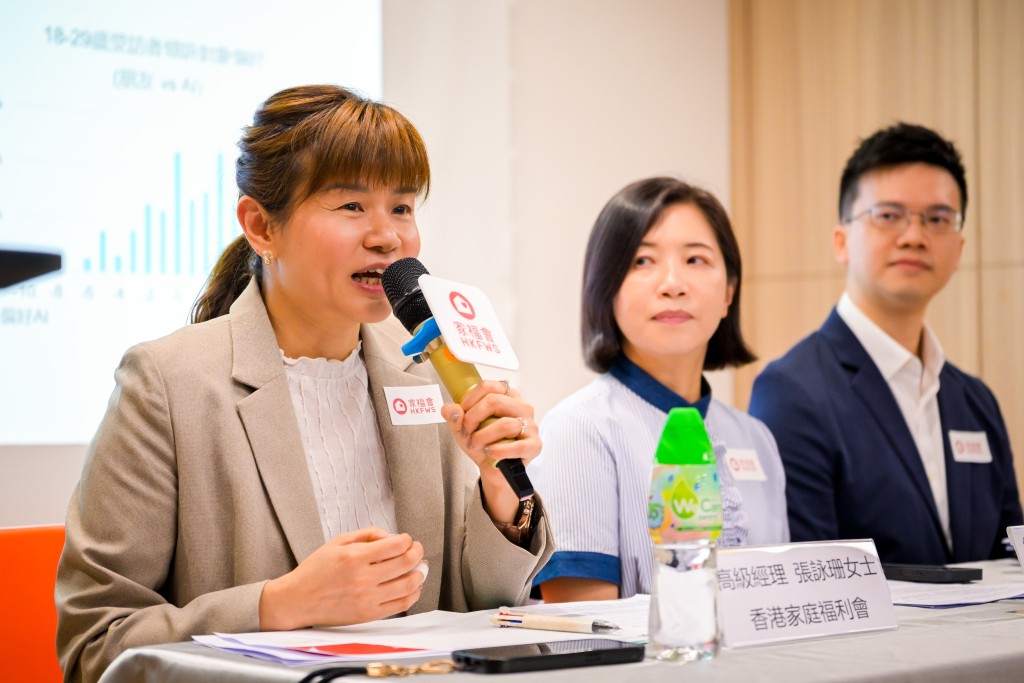
While the overall well-being of Hong Kong families has stopped its recent decline, a new comprehensive survey has uncovered a deepening crisis of loneliness, with one in five residents feeling isolated. The study also shockingly reveals that an estimated 520,000 people are unwilling to confide in anyone—including family, friends, or even AI—leaving them in a state of self-isolation within their own homes.
The Hong Kong Family Welfare Society (HKFWS) today released its “Hong Kong Family Wellbeing Index” for 2026, the fourth such report since its inception.
Conducted between January and February 2026 through random telephone surveys with over 2,100 residents, the index provides a crucial snapshot of the city's domestic health.
This year's overall score registered at 6.09 out of 10, categorized as an "average" level of well-being. This marks a slight rebound from 6.06 in 2024, halting a downward trend observed since 2019.
The survey assessed six key domains, finding that while internal family dynamics like solidarity and resources scored higher, areas involving societal interaction lagged.
Notably, "Family Health" has yet to recover from its significant drop during the COVID-19 pandemic, whereas "Work-Life Balance" was the only domain to show a notable improvement this year.
The findings highlight a persistent and widening gap in well-being between the city's poorest and wealthiest families. The well-being score for families earning less than HK$4,000 per month was starkly lower than for those earning over HK$100,000, and this gap has grown since 2024.
Furthermore, families earning just below the city's median income have experienced a continuous decline in well-being since 2019, suggesting weaker resilience in the face of economic pressures.
On a more positive note, the family well-being of young adults aged 18-39 recorded its first rebound. In contrast, the 40-49 age group has seen its wellbeing score steadily decline, likely due to the mounting family responsibilities this demographic often shoulders.
A major focus of this year's survey was the public health concern of loneliness.
Using a recognized scale, the study found that 19.8% of respondents—nearly one in five—were classified as feeling "lonely."
This figure is more severe than the global average of one in six reported by the World Health Organization.
This loneliness has a direct, detrimental impact on family life. Respondents with higher loneliness scores also reported lower family well-being.
Among those identified as lonely, over half admitted to "sometimes" or "often" feeling overwhelmed by their family and wishing to escape.
The survey also drew a clear line between quality time and emotional health: spending just two hours with family daily was shown to significantly boost wellbeing and reduce feelings of loneliness.
Similarly, engaging in at least 15 minutes of conversation was linked to a dramatic improvement in both metrics.
Despite this, a significant portion of the population remains disconnected. Even when living with family, 23.5 percent of respondents are unwilling to confide in them. Nearly 10 percent take this isolation a step further, refusing to open up to family, friends, or even AI chatbots.
Qualitative responses from the survey shed light on this silent struggle. Respondents cited difficulties in discussing everyday matters and family responsibilities, and many lamented that family members are often absorbed in their own digital worlds.
The simple wish for "opportunities to chat, even about trivial daily matters" was a common theme.
Based on these findings, the HKFWS has issued several recommendations. It urges families to prioritize health as a collective responsibility and advocates for its "Reducing Loneliness Starts at Home" campaign, encouraging at least two hours of family time and 15 minutes of conversation daily.
Recognizing the rise of AI, society also calls for better services and training to help people use technology as a tool for connection rather than a replacement for it.
While young adults showed some willingness to confide in AI, family and friends remain the preferred choice for all age groups, reinforcing the irreplaceable value of human connection.