Read More


Morning Recap - July 14, 2026
5 hours ago

Night Recap - July 13, 2026
15 hours ago
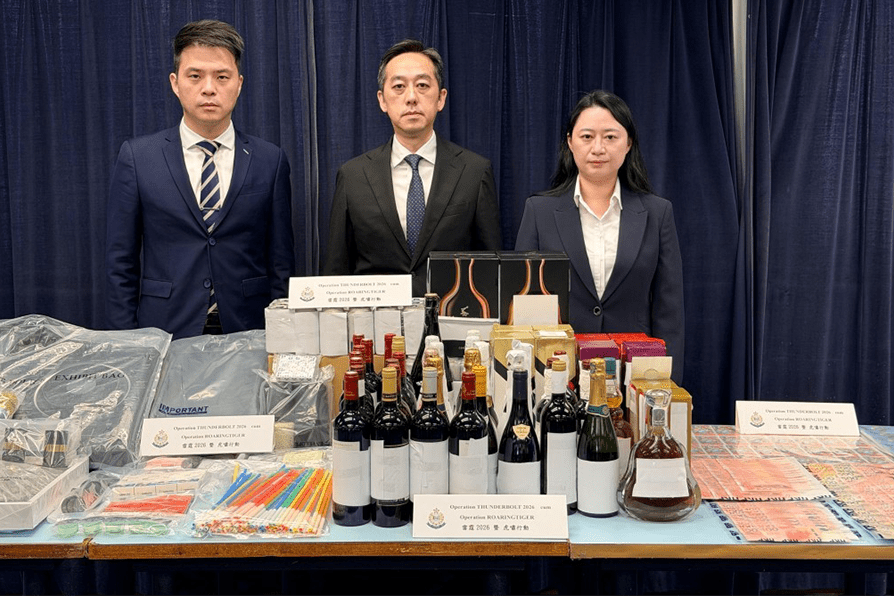
65 arrested as police bust illegal nightclub and gambling dens
12-07-2026 19:00 HKT


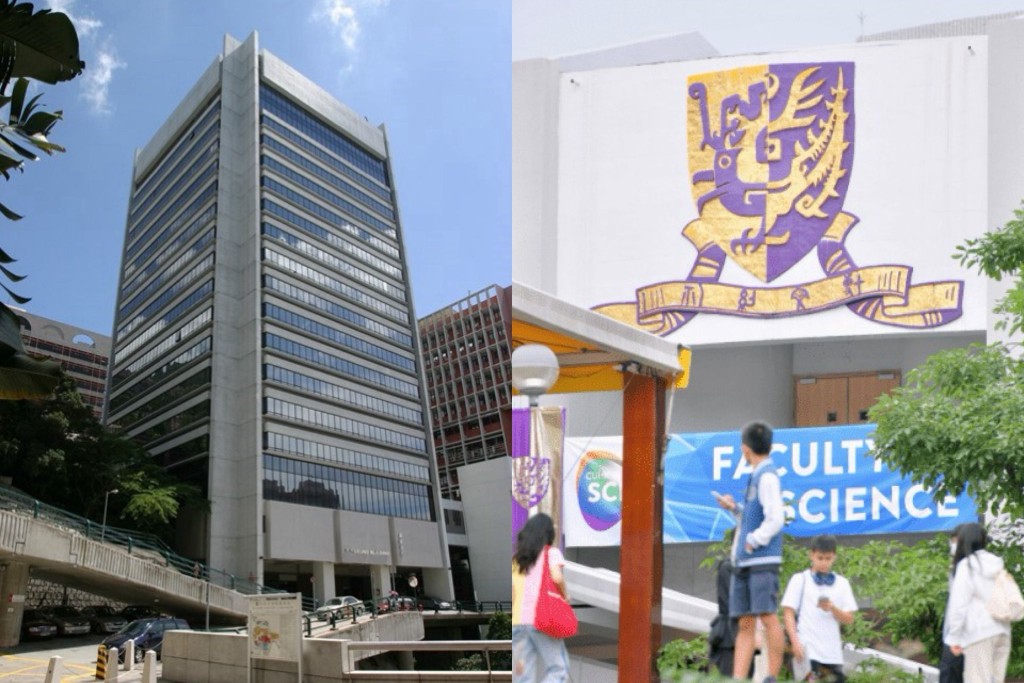
Lawmakers are pressing for concrete key performance indicators (KPIs) to be tied to over HK$800 million in proposed campus expansion projects at the University of Hong Kong (HKU) and the Chinese University of Hong Kong (CUHK), demanding that the substantial public investment translate into tangible research outcomes.
The Legislative Council’s Panel on Education on Tuesday discussed the expansion proposals for the Hong Kong University (HKU) and the Chinese University of Hong Kong (CUHK).
HKU is seeking approximately HK$209 million to renovate its 18-story K.K. Leung Building into a dedicated research and development center. Meanwhile, CUHK plans to construct a new 10-story scientific research laboratory building at a cost of around HK$646 million.
Speaking at the panel meeting, chairman of the Hong Kong Federation of Education Workers and lawmaker Ken Wong Kam-leung supported upgrading university infrastructure but emphasized that such substantial investment should be tied to concrete research output.
He specifically questioned whether performance targets had been set, citing examples such as goals for annual patent growth or the recruitment of top-tier international scholars.
In response, HKU Provost and Deputy Vice-Chancellor, Richard Wong Yue-chim, assured the panel that the University Grants Committee already requires clearly defined KPIs. He highlighted that boosting the number of patents and increasing licensing percentages are priority metrics that the university highly values.
Deputy chairman of the panel Dennis Leung Tsz-wing inquired about how universities would integrate industry resources to support the development of new quality productive forces, as well as the scale of self-funded institutional investment.
Wong also highlighted the launch of a new AI Hub and the recruitment of 20 professors to spearhead cross-disciplinary “AI+” research in fields spanning geography, economics, and biology.
The renovated K.K. Leung Building would foster collaboration between students, engineers, and academic staff, supported by an ongoing expansion of the faculty to drive research breakthroughs.
Lawmaker Ng Wun-kit inquired about cross-sector collaboration, infrastructure support in the Northern Metropolis, and data security guidelines for AI research amid plans to hire more than 2,400 new research and teaching staff in the two universities.
Wong affirmed that HKU maintains long-standing global and domestic partnerships and noted that the developing Northern Metropolis would provide crucial space for future campus expansion.
CUHK Vice-President (Education) Irwin King Kuo-chin highlighted cross-sector collaboration through InnoHK and the Global STEM Professorship Scheme, while driving “AI+” applications across law, business, and the humanities.
Lawmaker Andrew Yao Cho-fai asked for assessment mechanisms to ensure these expansion projects consolidate Hong Kong’s position as an international innovation and technology hub while calling for interdisciplinary collaboration and resource sharing across institutions.
Under Secretary for Education Jeff Sze Chun-fai noted the government’s support for cross-university cooperation in line with the national “AI+” initiative. Wong added that five new schools were established recently to drive interdisciplinary research.
Further bolstering the case for the investment, CUHK's Dean of Engineering, Tsang Hon-ki, noted their new building project has already secured over HK$200 million in Research Grants Council funding and that its laboratories will be accessible to undergraduates.