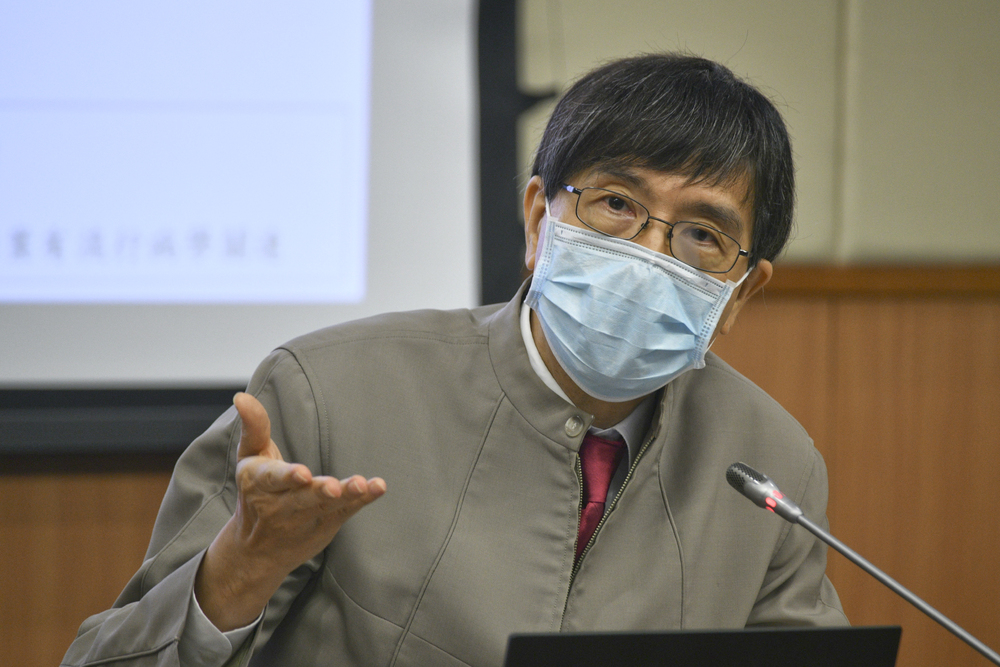
An independent inquiry is needed to look into authorities' handling of the Covid-19 pandemic so Hong Kong can be better prepared for the next major public health challenge, government adviser Yuen Kwok-yung is arguing.
The University of Hong Kong microbiologist suggests as well that authorities should only ditch the mask mandate late in March or in April to guard against severe outbreaks so an immunity barrier against other viruses can be strengthened during spring and summer.
Yuen also said the minimum temperature should be over 20 degrees Celsius by late March and the coronavirus cannot last long in such environment.
The human body is less likely to develop inflammations and other symptoms as well, he added.
But Yuen warned that hospitals could see a large number of patients with influenza and adenoviruses once the mask order is relaxed as these viruses look likely to re-emerge after three years of Covid.
"All other viruses will return, especially the rhinovirus which has high infectiousness," he said. "By that time, the [impact on] the elderly and chronic patients will be serious as they had not been infected [with other viruses] in the past three years, so basically there's no immunity.
"There can be severe consequences of the 'post-masking wave,' and the Hospital Authority may not be able to bear it, but it is a pain we have to experience."
Yuen also suggested people should be vaccinated for Covid between October and November each year to strengthen protection. Elderly and chronic patients should also put on masks during the winter.
On an independent inquiry to review the SAR's response to Covid over the past three years, Yuen said such a process is needed as the SAR moves back to normalcy.
He noted that an independent inquiry was conducted after the 2003 SARS outbreak, which led to the establishment of the Centre for Health Protection, "and I think we should do the same this time."
The administration had also put in a lot of resources into research and information gathering including working with mainland academics, Yuen noted.
That had helped in the early stage of the Covid battle, Yuen said, because Hong Kong was being informed by the mainland so it could for prepare for action and in raising the emergency response levels.
"Some 12,000 to 13,000 people died," he noted. "Why don't we conduct a thorough investigation and clarify what we should do in future?
"If, unfortunately, I see a third global pandemic during my lifetime the Hong Kong government must be prepared for it."
Yuen said too that tracing and isolation work could have been done better early on in the Covid pandemic, and there was also insufficient testing. "The spread could have been much slower if the work in the early stage had been done well," he said.
Yuen also said the SAR must find the reason for elderly homes bearing a severe brunt in the fifth wave. "Every time there's a pandemic we say we have to do better, but nobody cares after a few years," he added.
He also noted that the nasal spray for delivering Covid vaccine that was developed by HKU and mainland experts has been approved and administered to people in four mainland provinces and cities.
Yet it remains unclear if the nasal spray vaccine will be registered and made available in Hong Kong.
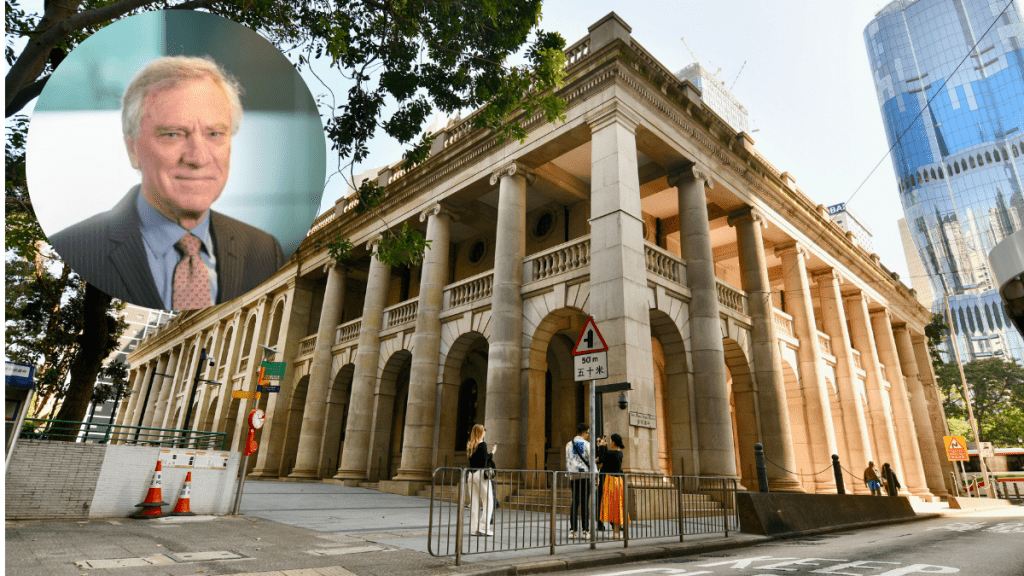
Yuen's comments about the need for an inquiry were echoed by Legislative Council medical and health services sector representative David Lam Tzit-yuen, who said the SAR should look back at mistakes and figure out how to improve systems next time.
But an inquiry should not focus on holding people accountable, he added.
Lam also believes the SAR's anti-pandemic strategies were focused on hospitals rather than the community at the initial stage as Covid viruses at that time were more lethal.
"Until the beginning and intermediate stages of the fifth wave we had changed our strategies, but we hadn't been well prepared," Lam said.