Read More
US President Joe Biden told Asian leaders yesterday that the lines of communication with China would stay open to prevent conflict as the first of three summits of world leaders this week came to a close.
ADVERTISEMENT
SCROLL TO CONTINUE WITH CONTENT
Addressing the East Asia Summit in Cambodia, Biden said the United States will compete with China and speak out over its human rights record, but stressed the importance of peace in the Taiwan Strait and ensuring freedom of navigation in the South China Sea.
Biden said he will seek to establish "red lines" in America's fraught relations with Beijing when he holds high-stakes talks with President Xi Jinping today.
He said he goes into the encounter -on the sidelines of a G20 summit in Bali, Indonesia - stronger after his Democratic Party's unexpected success in midterm elections they were forecast to lose heavily. Xi, meanwhile, was anointed last month for a historic third term as paramount leader by the Communist Party congress.
Biden also condemned Russia's "brutal and unjust" invasion of Ukraine and the threats of North Korea's missile tests, the White House said, and called on Myanmar's military rulers to follow a peace plan they agreed to with the Association of Southeast Asian Nations.
On China, Biden told the summit that "the United States will compete vigorously... while keeping lines of communication open and ensuring competition does not veer into conflict," the White House said.
Washington and Beijing are at loggerheads over issues ranging from trade to human rights in Xinjiang and the status of Taiwan. Biden said he expects candid talks with Xi.
"I know Xi Jinping, he knows me," Biden added, saying they have always had "straightforward discussions."
The two men have known each for more than a decade, since Biden's time as vice president, but today will see them meet face-to-face for the first time in their current roles.
"We have very little misunderstanding. We just got to figure out what the red lines are," Biden said.
White House officials say Biden will push China to use its influence to rein in North Korea after a record-breaking spate of missile tests sent fears soaring that the reclusive regime will soon carry out its seventh nuclear test.
Biden yesterday met separately with Japanese Prime Minister Fumio Kishida and South Korean President Yoon Suk Yeol before all three sat down together on the sidelines of the summit in Cambodia.
Biden said they have vowed a unified, coordinated response to North Korea's threatening nuclear and ballistic missile programs. He said the three-way partnership is "more important than it's ever been" when North Korea is stepping up its provocations.
At a separate news conference, Australian Prime Minister Anthony Albanese said his brief discussions with Premier Li Keqiang were constructive and positive, amid anticipation of a formal summit with Xi.
Like ally the United States, Australia's ties with China have also deteriorated in recent years.
"I have said repeatedly about the relationship with China that we should cooperate where we can," Albanese said.
The war in Ukraine is expected to figure prominently in discussions in Bali and at the Asia-Pacific Economic Cooperation forum in Bangkok, as well as global climate commitments and food security.
Editorial: Facing up to dire issues face-to-face
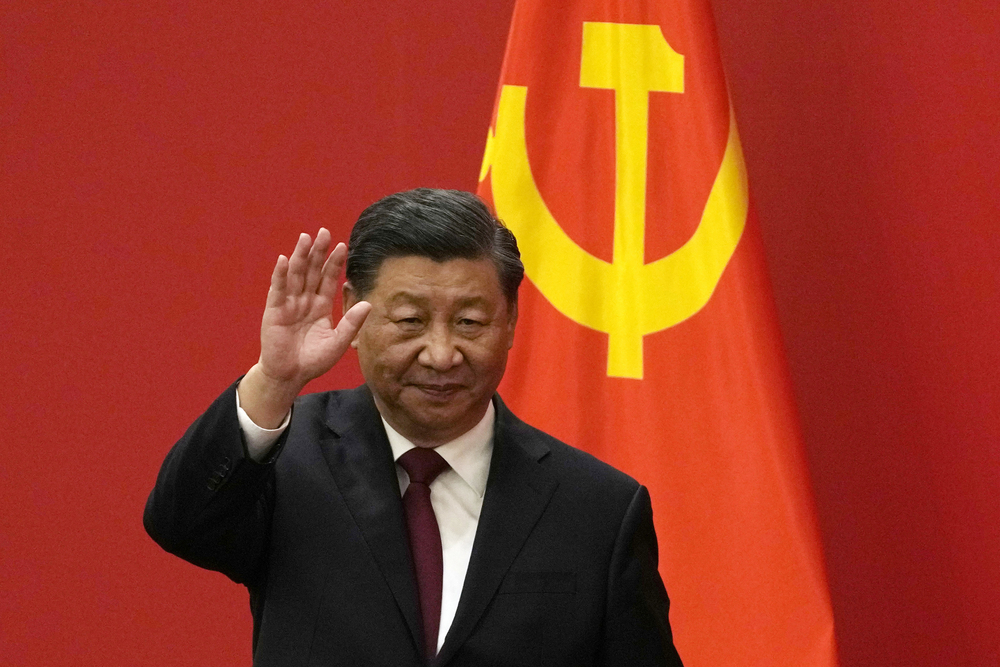
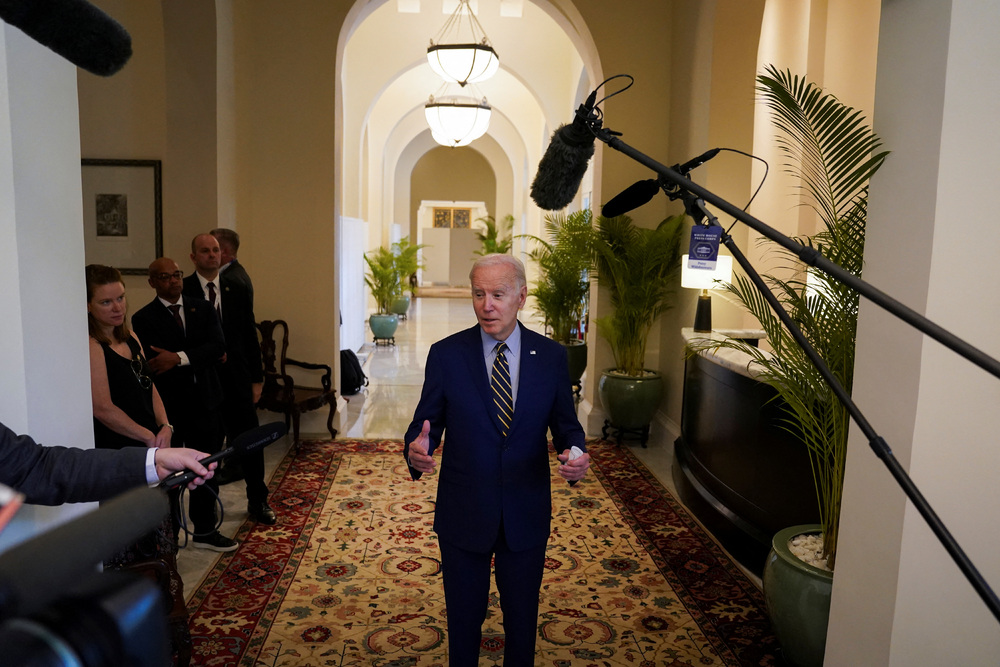
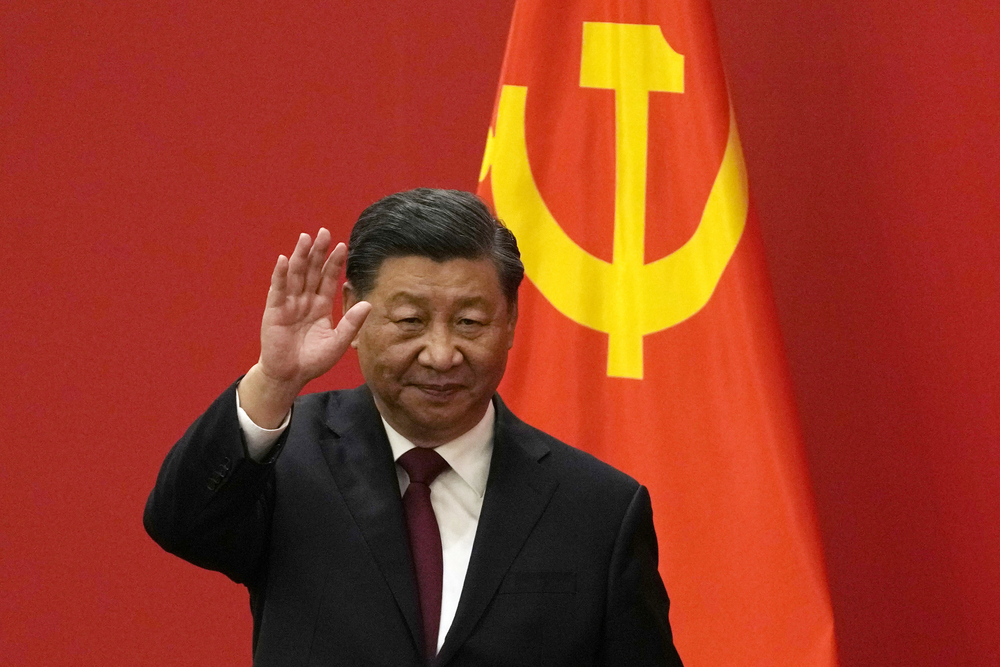
The lines of communication with Beijing will always be open, says Joe Biden ahead of his face-to-face with Xi Jinping. AP, REUTERS