Read More
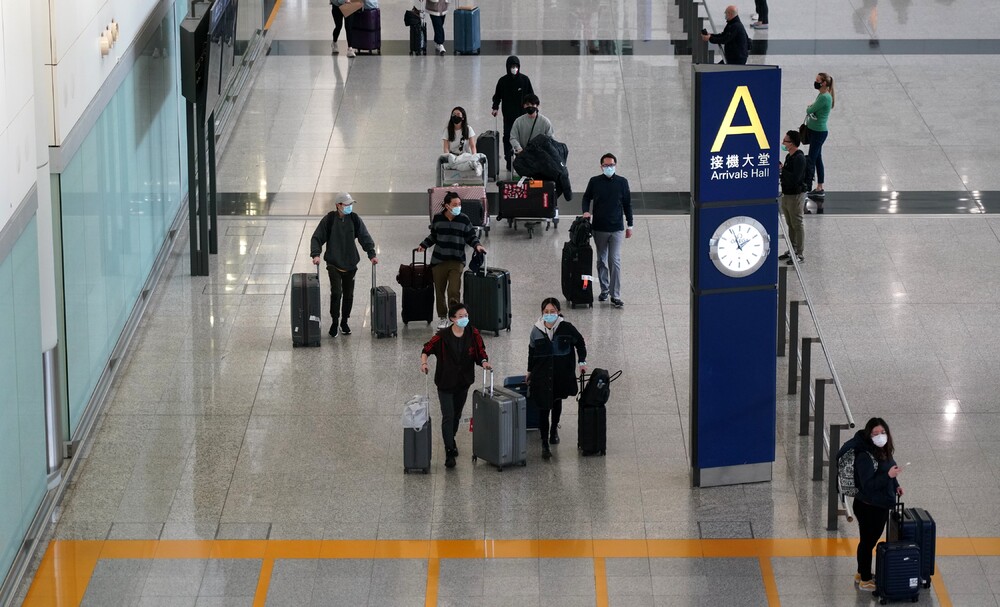
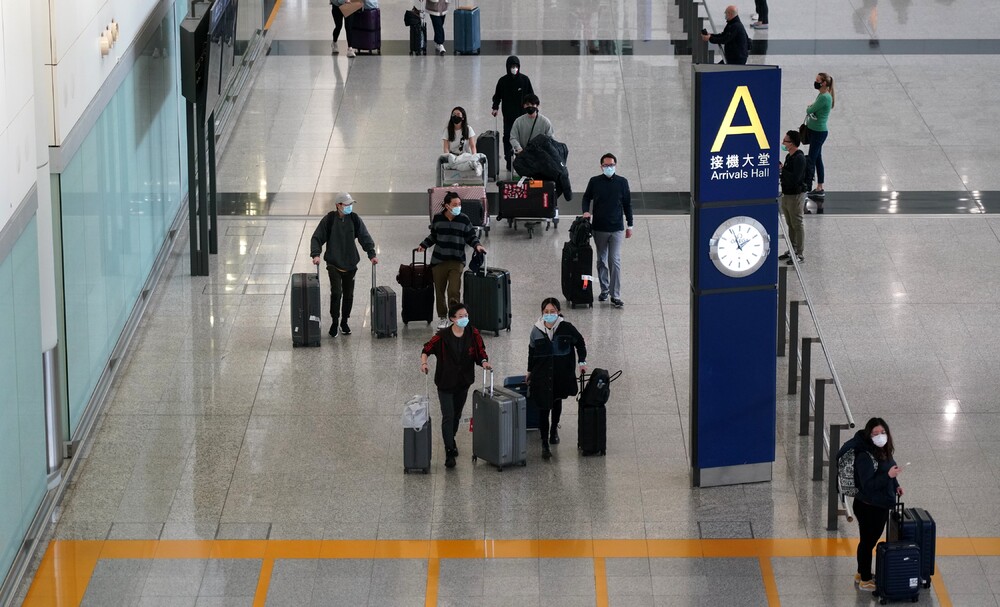
Visitors taking part in short-term activities in designated sectors can come to Hong Kong without applying for an employment visa or entry permit from the Immigration Department under a two-year pilot scheme to be launched today.
ADVERTISEMENT
SCROLL TO CONTINUE WITH CONTENT
They can stay in Hong Kong for 14 days at the most, compared with the previous seven days, and are allowed to be paid.
However, they will still have to comply with the quarantine and testing requirements for overseas arrivals in which they will have to stay in quarantine hotels for seven days.
The scheme will cover 10 sectors: medical and healthcare, higher education, arts and culture, sport, heritage, creative industries, innovation and technology, the Hong Kong Laureate Forum, aviation, and international mega-events.
Under the scheme, host organizations authorized by government departments can issue invitation letters to non-local talent in their sectors. Invited people may come to Hong Kong for designated short-term activities as visitors without the need to apply for employment visa or entry permit.
"Invited non-local talents are talents in shortage or whose participation in designated short-term activities in Hong Kong is conducive to economic development or achieving relevant policy objectives," the government said.
In addition, the authorities also relaxed the immigration rules for non-local experts in all sectors, apart from the 10 designated sectors, by extending their stay in Hong Kong from seven days to 14 days and removing the cap on the number of events they are allowed to take part in.
However, they still cannot receive remuneration, the government said.
Meanwhile, the United Kingdom will launch a new visa scheme to attract highly skilled graduates from the world's top 50 non-UK universities to the country and people who graduated from the University of Hong Kong, the Chinese University of Hong Kong and Hong Kong University of Science and Technology in the past five years will qualify for the scheme.
Successful applicants who have a bachelor's or master's degree will be given a two-year work visa, while PhD graduates will get a three-year visa. They can also bring their families with them.
The three Hong Kong universities were included in the UK government's top 50 list in different years. Graduates do not have to be hired by a UK company before applying for the new visa, the government said. Applicants can apply for the HPI visa now. The visa application will cost 715 (HK$7,089) and they should provide proof of assets of at least 1,270 if they are bringing family members with them.
Benny Cheung Ka-hei, director of Goldmax Immigration Consulting, said overseas countries are competing to hire global talent. Canada and Australia have both relaxed the requirements for visa applications.
Previously, although the UK has allowed British National (Overseas) visa holders to obtain UK citizenship after six years of residence, it could not bring technical talent to the country.
The country launched the new HPI visa to compete with other western countries for overseas talent, Cheung said.
Samuel Chan Sze-ming, managing director of Hong Kong-based education consultancy Britannia StudyLink, said the new HPI visa will be attractive to new graduates as they do not have to find a job first or be a BNO holder before going to the UK.
Chan said it will not be too difficult for local graduates to find a job in the UK, especially for those who studied occupational therapy, pharmaceuticals, biotechnology, IT and education.
Meanwhile, the chairman of the Hong Kong Association of the Heads of Secondary Schools, Lin Chun-pong, urged the government to consider reforming the education system in the wake of falling student and teacher numbers.
This came after the association surveyed 140 schools and found each school has had an average of 32 students withdraw in the past three school years - equivalent to the size of a whole class in an aided school.
Speaking on a radio program yesterday, Lin said primary schools are implementing small-class teaching with 25 students a class, and the same teaching method can also be adopted by secondary schools so students can continue to enhance their learning ability.
He said the continuing decline in the school-age population will become a structural problem and the government should implement long-term measures to cope with the decline in the number of students as soon as possible.
Education is an investment for the future, Lin said. The government should take proactive measures and allocate more resources in the reform of school curriculum to train local talent and enhance Hong Kong's competitiveness.
The association also found that schools have each seen an average of 7.1 teachers quit, Lin said, calling on the government to encourage and praise teachers to give them confidence.
wallis.wang@singtaonewscorp.com