Coffee beans from Vietnam found a way to Hong Kong in just 32 hours under a new multimodal corridor, carving out a middle path between slow sea transport and costly air freight.
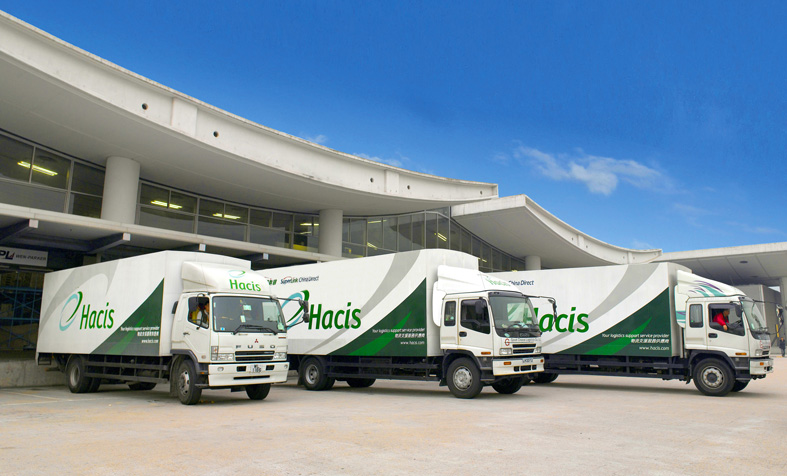
The speedy delivery was part of the trial run by Hong Kong Air Cargo Industry Services Limited, or Hacis, which recently extended its "SuperLink China Direct model" to Vietnam.
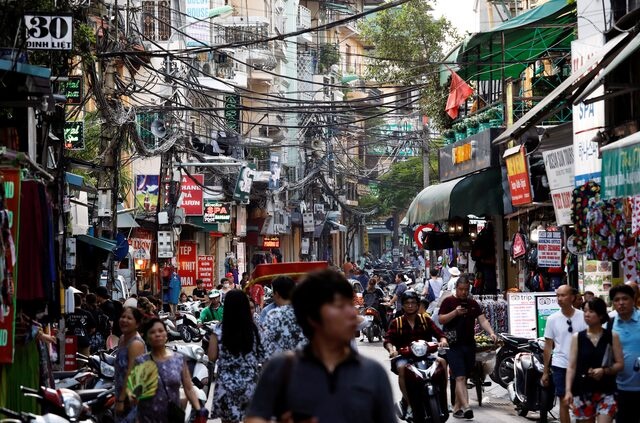
The trial rides the growing trade with Vietnam, the city's third-largest partner and largest among ASEAN economies, with bilateral trade reaching HK$540.9 billion in 2025.
Hacis will extend its 'SuperLink China Direct model' to Vietnam.
Coffee beans take on a test
Under Customs' Single E-lock Scheme, the company chose coffee beans for the run – Vietnam's most iconic product and one with the strictest shipping requirements.
Hacis director Bert Ng said the beans traveled from Bac Ninh in northern Vietnam to the Wuzhou bonded zone in Guangxi, where they were carried to Hong Kong via Hacis' customs-bonded road feeder service.
The truck then drove through the Shenzhen Bay Port to Hong Kong International Airport's SuperTerminal 1, completing the journey in just 32 hours – two hours faster than the 34 hours expected.
Food was chosen because it faces the strictest requirements, including food safety and quarantine certification – the best way to verify the corridor's reliability, said Eddy Tran, executive director of Vietnam’s International Institute of Logistics and Supply Chain, or IILS.
The corridor combines land and air transport to offer "a time advantage over sea freight and a price advantage over pure air freight," Ng added, tapping a 1.8 million-tonne-a-year market that is 75 percent international.
Backed by policy support on both sides, Ng believes the new services will also give Vietnamese shippers another export option combining speed and cost advantages.
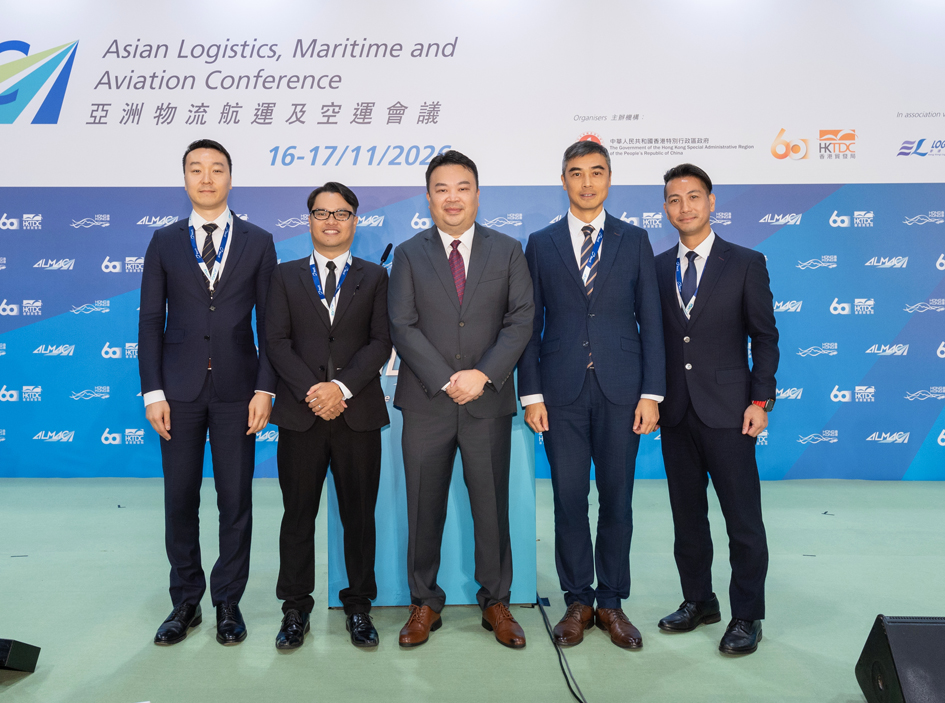
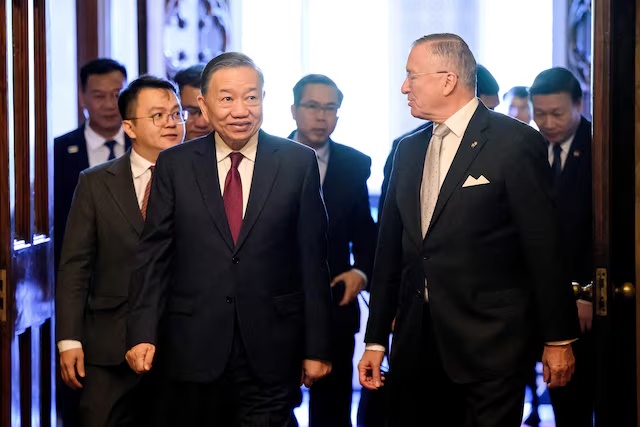
Representatives from the government, HAFFA, Vietnamese industries and Hacis joined the ALMAC panel on the Vietnam-Hong Kong Air Cargo and Logistics Gateway Seminar.
With an e-lock system equipped with GPS, customs authorities on both sides can monitor vehicles and cargo in real time for maximum security, he added.
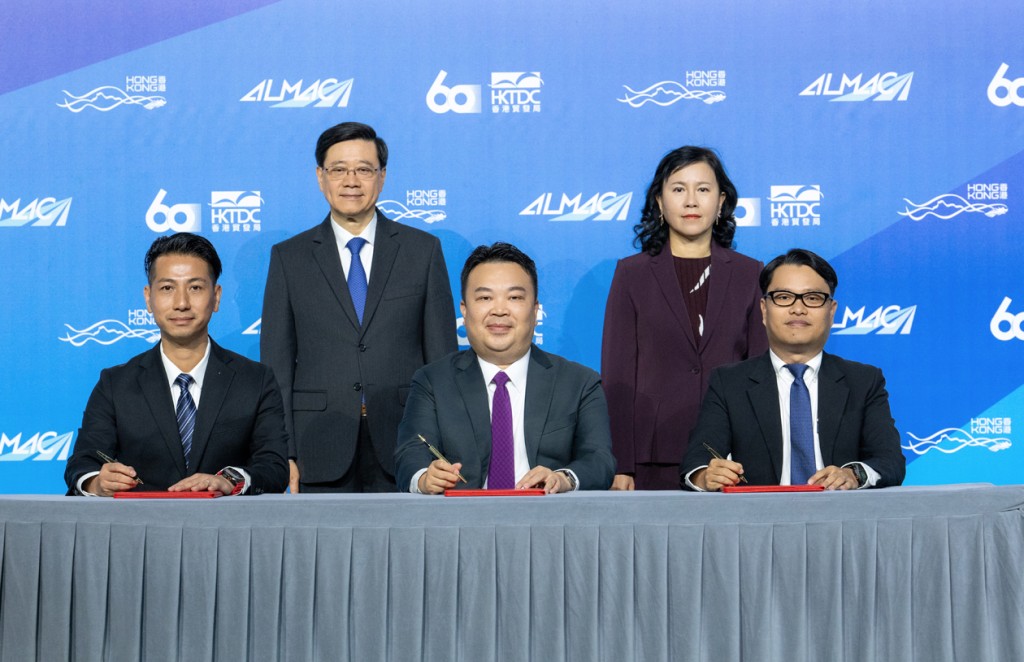
Beyond the hardware, the Hongkong Association of Freight Forwarding and Logistics and IILS earlier signed a memorandum of understanding to establish a long-term cooperation framework.
HAFFA chairman Gary Lau Ho-yin said Hong Kong Customs and mainland authorities were already carrying out follow-up work after the trial, expecting costs and transit times could be cut further, adding more value to the service.
The next front with electronics
Logistics disruptions can stall entire industrial chains, Tran said, citing business-to-business supply chains as an example.
"For instance, if smartphones are already on the production line and parts haven't arrived, the losses are enormous."
While Vietnam still leans on sea freight, he said the industry will keep cargo moving at a steady volume to keep exports stable before the corridor matures.
Citing limited flight capacity from Vietnam during export peaks, Ng said the new corridor gives shippers another option when capacity tightens.
He said Hacis aims to capture 1 percent of Vietnam's roughly 1.35 million tonnes of international air cargo – about 13,500 tonnes a year – routed through Hong Kong to more than 220 destinations.
Looking ahead, Tran said parties from the two sides will work on supporting infrastructure focused on the electronics sector and cold-chain cargo.
Coffee is a business-to-consumer product, while electronics and supply chains are business-to-business and offer greater potential, Tran continued. Pointing to Vietnam's booming electronics industry and growing two-way trade, he predicted stronger growth in 2026.
Tran stressed that the new corridor is not a competitor to other airports, but simply "one more option" to grow together.
Lau also expected growth in both directions, as rising consumer spending in Vietnam pushes import demand higher.
Vietnam cargo link powers HK's aviation hub ambitions
With the city setting its sights on enhancing its status as an international aviation hub, the new Vietnam corridor lands at the right time.
Under the government's first Five-Year Plan and the 2026 Policy Address, Hong Kong plans to expand global destinations from 220 to 240 and deepen the Greater Bay Area's multimodal transport network.
Given Hong Kong International Airport's 15-year run as the world's busiest cargo airport, the new corridor is expected to slot into that policy push.
The Vietnam-Guangxi-Hong Kong Land-Air Super Logistics Corridor enables cargo from Vietnam to be transported overland to Hong Kong via Guangxi.
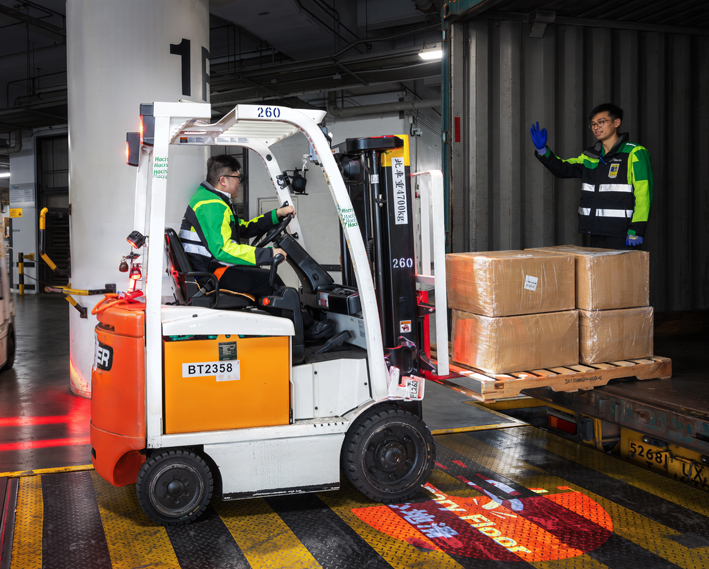
The Single E-lock Scheme – a customs-supervised e-lock system – keeps trucks locked throughout the journey, lets customs on both sides track them live, and simplifies border clearance.
Hacis' SuperLink China Direct service dates back to 2001, with more than 20 years of operating experience, and the trial marked the first time it has been extended beyond the mainland.
Citing broad industry support, Lau said he hoped the new corridor would cut costs and time and widen the industry's room to grow, with policy backing.
Lau added that the new corridor gives shippers a cost-effective option – with benefits shared across exporters, carriers, and freight forwarders – against a backdrop of 8.02 percent GDP growth and trade rising by nearly a fifth in 2025.
Tran also pointed to the concrete steps in the MoU, which commits the two sides to recommending the new corridor to shippers and arranging exchanges and matchmaking between members.
“It’s a win-win on a shared-win basis,” he said, adding that Hong Kong's mature infrastructure, its 220-plus destinations and Vietnam's status as the city's third-largest trading partner give it advantages other regional airports will struggle to match.
In fact, the cooperation was also featured at an earlier ALMAC panel on Vietnam-Guangxi-Hong Kong multimodal connectivity, where government, HAFFA, Vietnamese industry and Hacis representatives discussed trade ties.