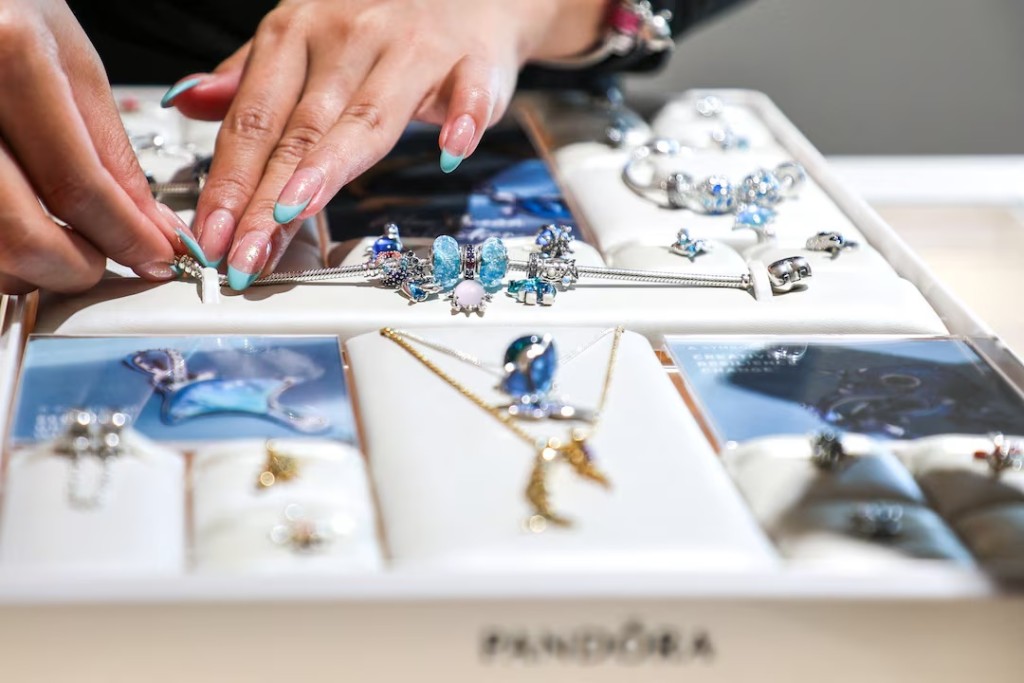
Danish jewellery maker Pandora PNDORA.CO opened a $150 million factory in Ho Chi Minh City on Thursday, its largest manufacturing facility and its first production site outside Thailand as it bids to diversify its manufacturing footprint and bolster supply-chain resilience.
The Vietnam factory, Pandora's fourth worldwide, will increase the company's overall manufacturing capacity by around 50% and is expected to employ 7,000 workers once it is fully operational.
The company sold 112 million pieces of jewellery in 2025 and has until now manufactured all its products in Thailand, where it operates three factories.
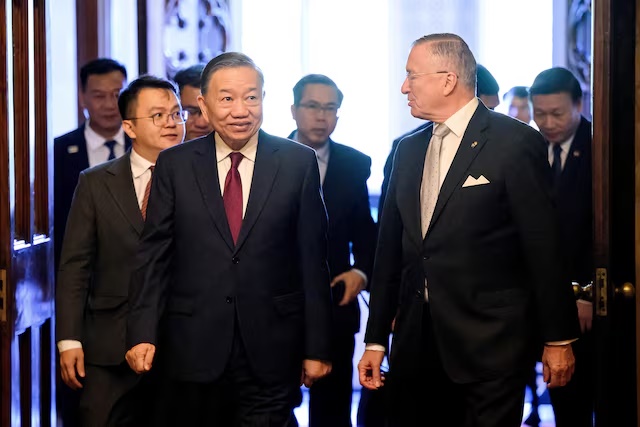
At the opening ceremony, Pandora CEO Berta de Pablos-Barbier joined Vietnamese officials in pulling a long pink ribbon to unveil the first piece of jewellery produced in Vietnam.
The plant, which Pandora described as the world's largest fine jewellery crafting facility, will be capable of producing up to 60 million pieces of jewellery annually.
"To start with, Vietnam will be around 15% of our global capacity, but when we are at full capacity by 2030, it will be a third of our total capacity," De Pablos-Barbier told Reuters.
"We're building this facility for the next decade, not the next quarter... When volatility happens, we focus on operational efficiencies and integration across the business," she said when asked about trade-related uncertainties, including the possibility of higher US tariffs on goods made in Vietnam.
Pandora, the world's biggest jewellery brand by items sold, sells silver charm bracelets from $80. The company has recently reported weak consumer demand from the United States, its biggest market.
The factory was built on a 7.5-hectare (18.5-acre) site in business and manufacturing hub Ho Chi Minh City, directly opposite a plant run by fellow Danish company Lego.
It will support demand across Pandora's global business rather than serve specific export markets.
De Pablos-Barbier, who took charge on January 1, said Vietnam stood out among potential locations because of its skilled workforce, long jewellery-making tradition, strong infrastructure and supportive business environment.
On the factory floor, mostly Vietnamese workers in their 20s and 30s were operating grinding machines and inspecting coloured stones before small pink robots carried them along the production line.
The factory will also play a key role in the company's plans to expand its production of platinum-plated jewellery as it diversifies beyond its traditional focus on silver and reduces its exposure to wild swings in the silver market.
The facility has achieved LEED Gold certification and will operate solely on renewable electricity. All silver and gold used at the site will be recycled, and the company is exploring additional renewable energy options, including on-site solar generation and a potential solar farm partnership.
Reuters