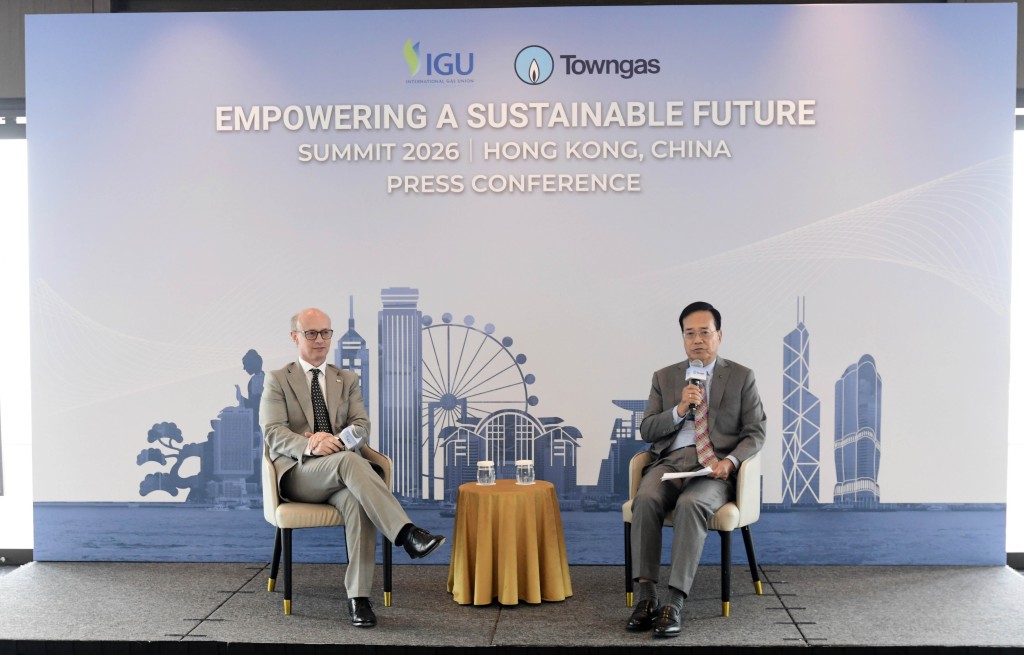
The International Gas Union (IGU) is holding its 2026 Council Meeting and “Empowering a Sustainable Future” Summit in Hong Kong for the first time, as the Asian gas market grows.
The summit, to be held on October 29, will bring together more than 400 energy experts, industry leaders, and policymakers from around the world to exchange views on technological innovations and investment opportunities across Asia-Pacific and beyond.
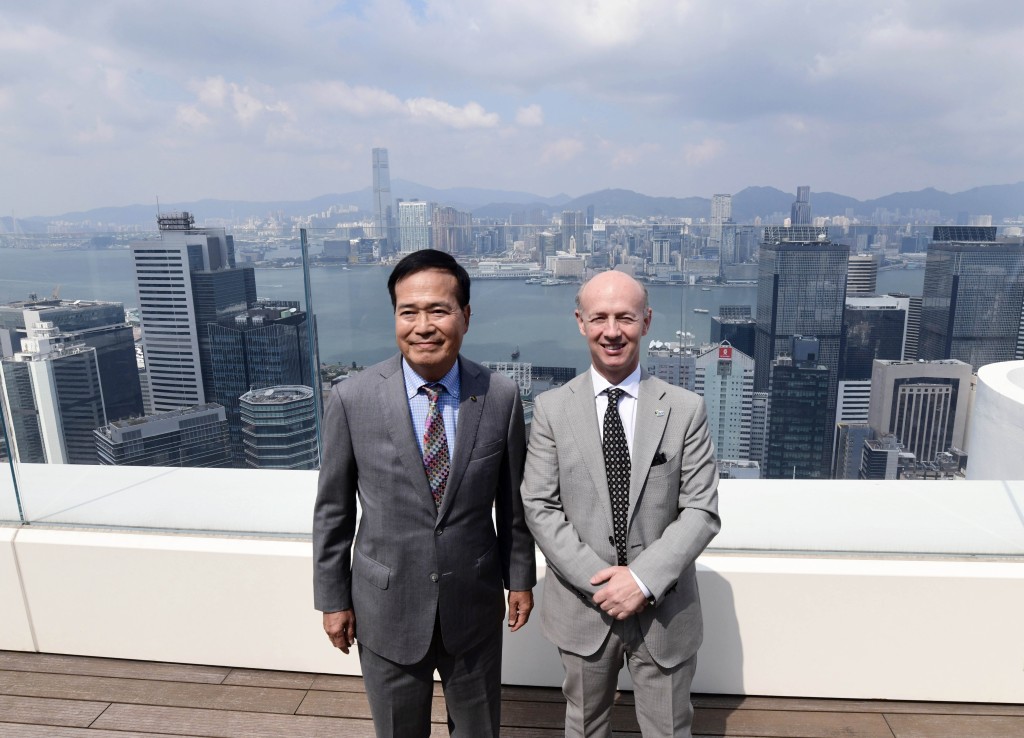
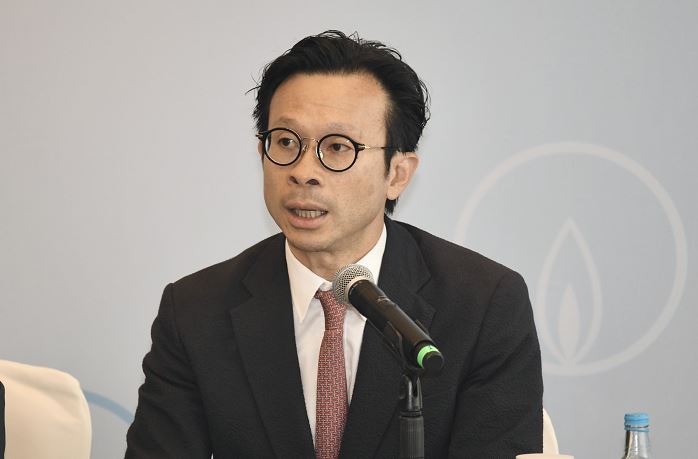
IGU president, Andrea Stegher, said IGU with members in more than 70 countries represents an industry serving about one-quarter of global energy needs, highlighting that gas is not only an energy source but also a key input for fertilizers and medicines.
“Asia is part of the growing energy schemes, not just for gas, but gas for sure can play a role, especially when we look at the important role coal still has in the energy mix in this part of the globe,” he said.
When asked why the organization chose Hong Kong to host the event, Stegher said the city offers a rare case of high-density living combined with a mature manufactured gas system, giving it a chance to see how current delivery can be combined with ongoing innovation.
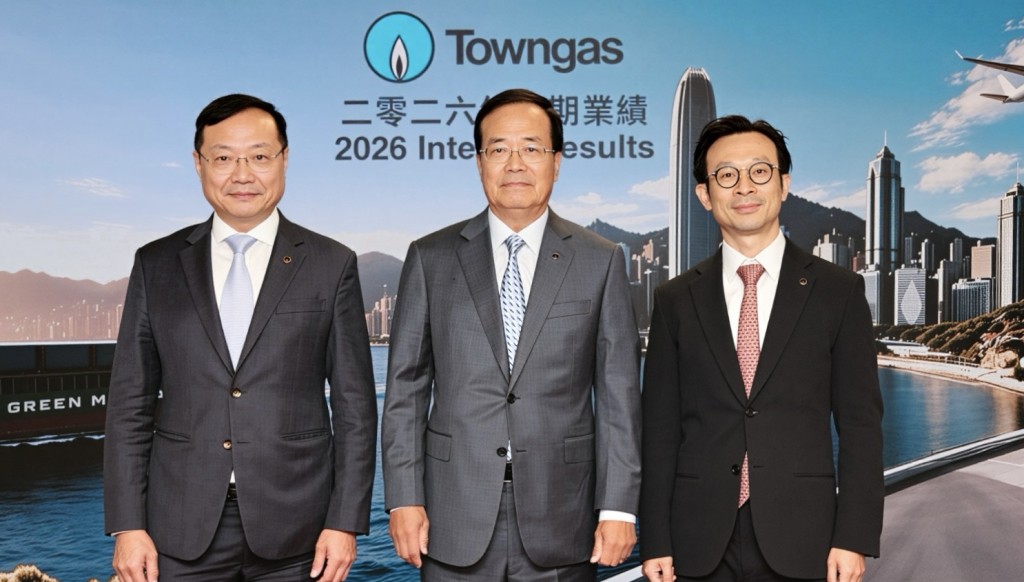
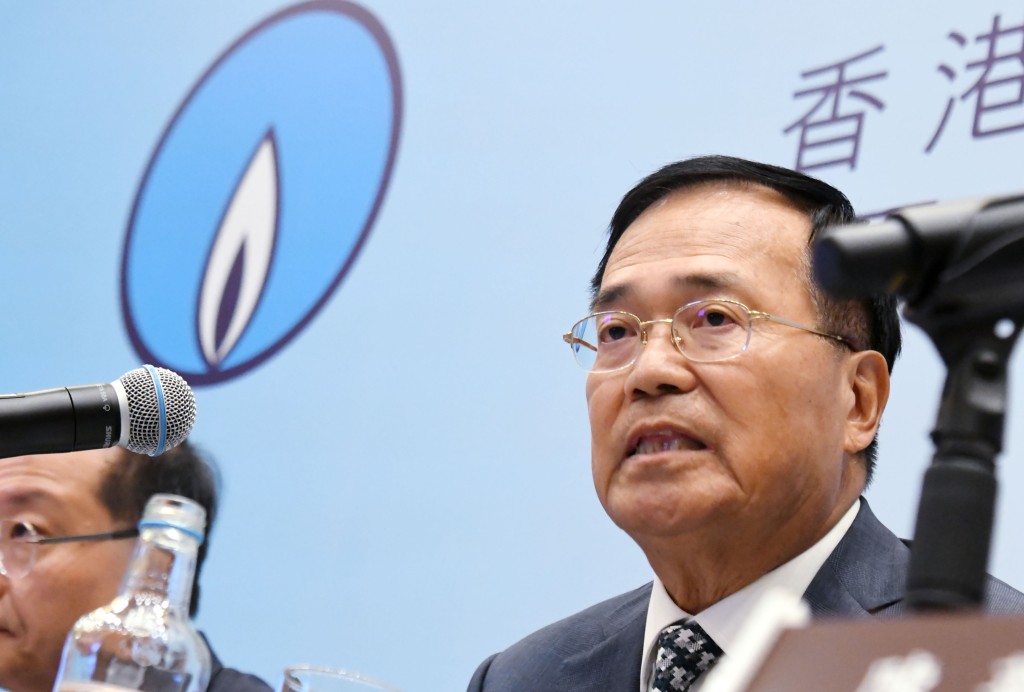
Peter Wong Wai-yee, managing director of Towngas, the host organization, said IGU members want to explore Asia’s natural gas sector to find more opportunities, as the Asian natural gas market is growing.
The summit will examine four core themes, including Asia-Pacific and China’s natural gas market developments, strategic roadmaps for Asia’s energy transition, and leveraging green finance to support sustainable energy infrastructure.
Wong said Hong Kong’s energy transition is centered on replacing coal with natural gas, adding that two electricity companies, CLP Power and HK Electric, are also using natural gas to replace coal in power generation.
He said Towngas researching lower-carbon gas and is exploring the use of low-carbon hydrogen from its 3,700-kilometer pipeline network.
Wong also cited a 25-year long-term gas contract signed with an Australian supplier in 2006, with prices fixed at the time, which he estimated had saved Hong Kong customers about HK$25 billion over the past 20 years.
In terms of geopolitical tensions, with the Stegher saying that disruption in the Middle East Gulf is not a supply issue but a supply-chain issue, affecting about three percent of global gas demand, mainly in some Asian markets.
He said new energy production facilities worldwide had largely offset the losses, leaving the gas system resilient.