Read More


Morning Recap - September 16, 2026
1 hour ago



Night Recap - September 15, 2026
11 hours ago




Seven arrested over Kwai Chung illegal gathering
14-09-2026 12:33 HKT


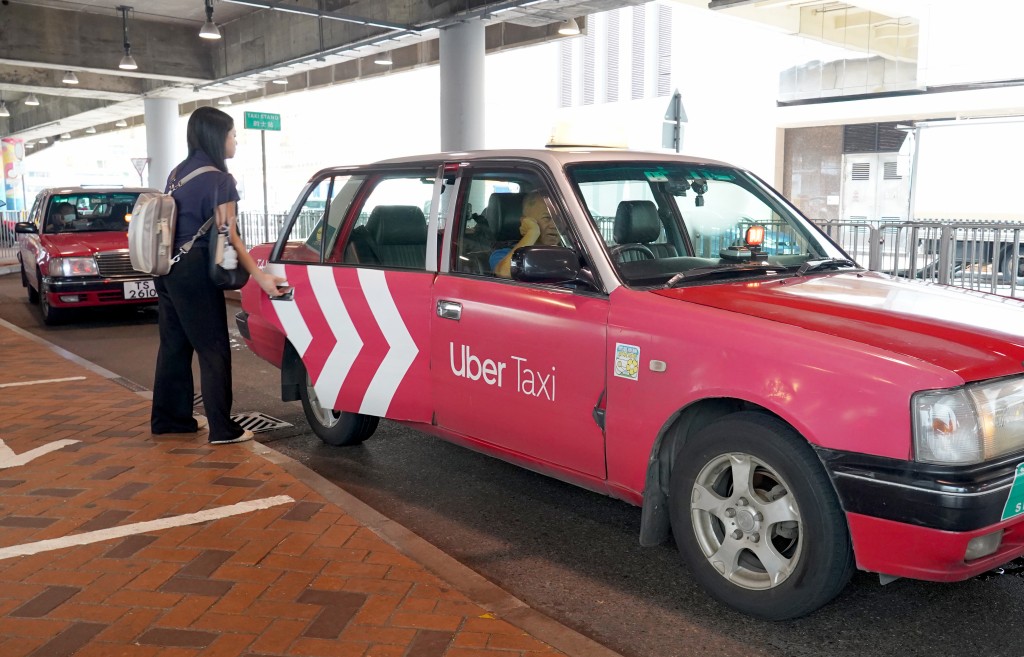
Hong Kong legislators on Thursday raised concerns about a regulatory loophole regarding the upcoming ride-hailing services, arguing that letting the transport chief set operational trip quotas through gazette notices rather than formal legislation could lead to disputes and leave drivers vulnerable in emergency situations.
During a Legislative Council subcommittee meeting today addressing the newly gazetted subsidiary legislation for ride-hailing platforms, several lawmakers questioned how the government plans to enforce mandatory trip counts for permit renewals.
Currently, the framework allows the Commissioner for Transport to dictate the minimum number of trips required for a permit renewal simply via a gazette notice, rather than incorporating it into the subsidiary legislation itself.
Lawmakers warned that this approach lacks a detailed blueprint for handling unexpected, exceptional circumstances and could trigger severe disagreements among operators, drivers, and passengers.
Principal Assistant Secretary for Transport and Logistics Joyce Kok Sen-yee explained that permit renewals will largely mirror the stringent requirements of the initial application, such as requiring the applicant to hold a valid driver's license and be the registered vehicle owner.
To ensure that permitted vehicles actively contribute to the city's transport capacity, the vehicles must complete a specified number of trips within a set period, which the transport commissioner will determine through official announcements.
The lack of safeguards for drivers facing emergencies quickly took center stage.
Legislator Chau Siu-chung, representing the Federation of Hong Kong and Kowloon Labour Unions, pointed out that unforeseen events—such as a major traffic accident requiring nine months of vehicle repairs or a driver being hospitalized for several months—could make it impossible to meet the minimum operational requirements.
He questioned whether the government would offer lenient, case-by-case exemptions in these situations.
Meanwhile, Election Committee constituency lawmaker Chan Siu-hung criticized the decision to bypass the Legislative Council, stressing that lawmakers should have direct input on these critical quotas to prevent industry-wide disputes.
He also questioned why the broad discretionary and exemption powers granted to the Transport Department elsewhere in the subsidiary legislation did not extend to these trip requirements.
In response, Secretary for Transport and Logistics Mable Chan acknowledged concerns that some might hoard permits without actually providing services, but she agreed that genuine personal emergencies must be factored in.
She assured lawmakers that the bureau is actively exploring flexible solutions, such as letting the designated trip counts be calculated over broader daily, monthly, or overall permit terms to allow drivers to average out their numbers.
Addressing the legal implications, Election Committee lawmaker Thomas So Shiu-tsung urged the government to publish the exact criteria it will use to determine these quotas as soon as possible, noting that these thresholds will dictate market demand and serve as the legal basis should rejected applicants seek judicial reviews.
Lastly, in response to transport sector legislator Lothair Lam Ming-fung's inquiry about drivers missing the renewal window due to being stranded abroad by accidents, Deputy Secretary for Transport and Logistics Kirk Yip Hoi-ying emphasized that the new digital renewal system will accept applications up to four months before the expiration date, providing operators with more than enough time to handle their renewals.