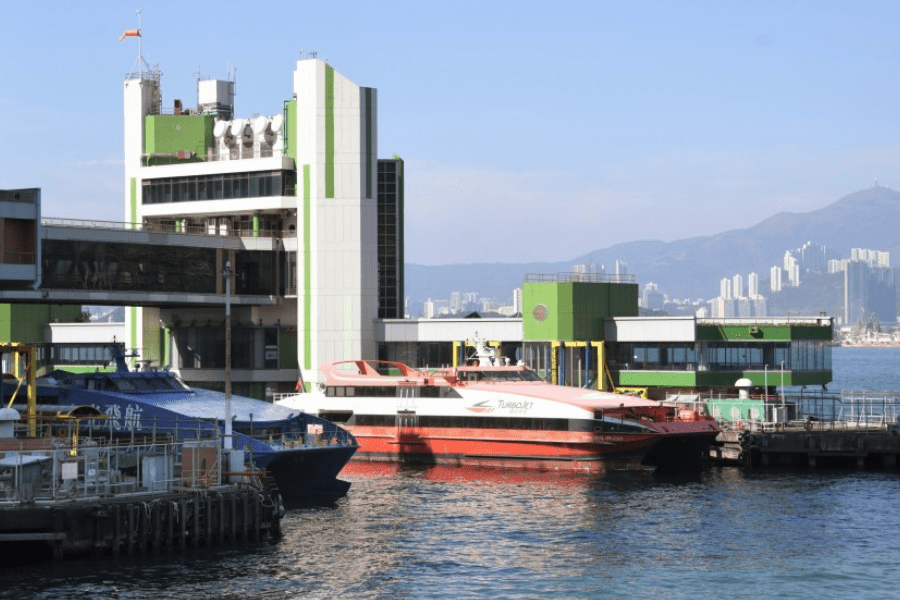
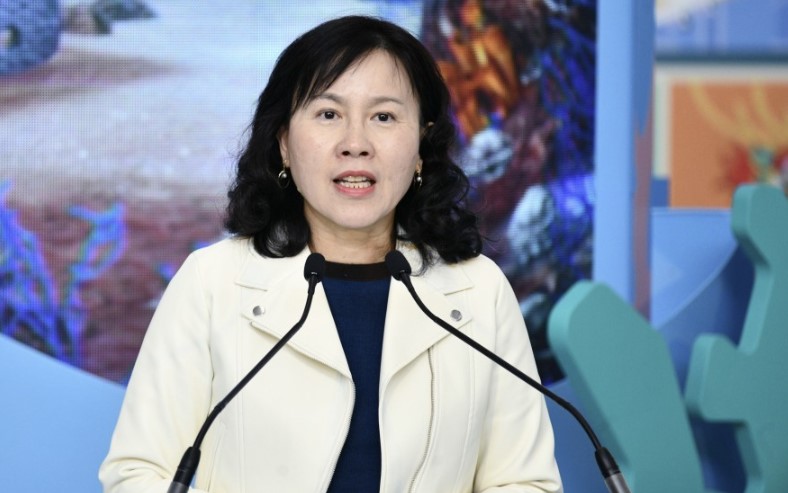
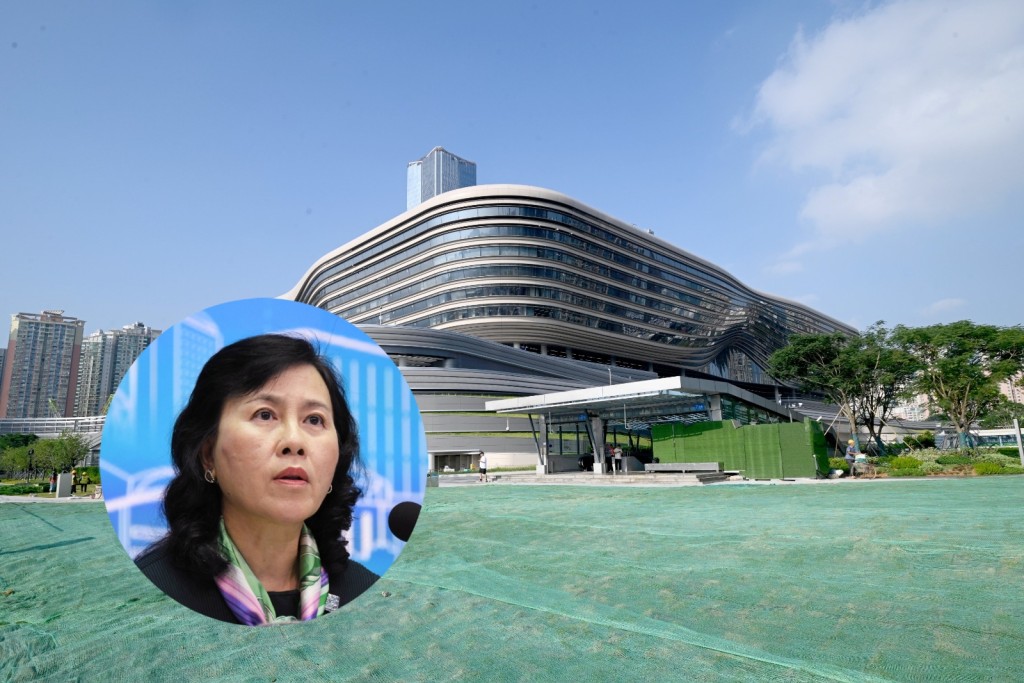
The government is open to proposals to merge Hong Kong’s two cross-border ferry terminals, but any such move would require careful examination, Secretary for Transport and Logistics Mable Chan said on Wednesday.
The remarks came as latest figures showed passenger numbers at the China Ferry Terminal and the Hong Kong-Macau Ferry Terminal fell by 6.5 percent last year.
Speaking at the Legislative Council, transport sector lawmaker Lothair Lam Ming-fung suggested merging the two terminals and reallocating resources to enhance facilities at the Hong Kong-Macau Ferry Terminal.
In response, Chan attributed the decline mainly to passengers switching to land-based cross-boundary transport options. She said any merger proposal would need to be assessed prudently.
Chan noted that major cross-boundary infrastructure projects, including the Hong Kong-Zhuhai-Macao Bridge and the Hong Kong section of the Guangzhou-Shenzhen-Hong Kong Express Rail Link, as well as Northbound Travel for Hong Kong Vehicles and Southbound Travel for Guangdong Vehicles, have strengthened connectivity within the Greater Bay Area and shortened travel times.
She said the two ferry terminals remain part of the wider Greater Bay Area transport network, supporting sea links with Macau and Pearl River Delta cities. The terminals currently offer eight ferry routes connecting Hong Kong with Macau and mainland cities including Zhuhai, Zhongshan, Nansha and Shunde.
While the government remains open to different proposals, Chan said carrying capacity after any integration, the condition of existing facilities, and long-term sustainability must be considered.
“The government has to assess a number of factors, ranging from the technical feasibility of the merger and potential alterations to the impact on passengers, operators and the overall cross-boundary transportation network, as well as the financial viability and cost-effectiveness involved,” she said.
Chan added that the government will continue to monitor terminal operations and explore options for sustainable development.
Meanwhile, the official said authorities are studying the provision of additional yacht berthing facilities at different locations.
The China Ferry Terminal in Tsim Sha Tsui, she noted, enjoys a prime waterfront location and may have potential to accommodate small to medium-sized cruise ships and pleasure vessels.
However, Chan said regular cross-boundary ferry demand remains, particularly for routes to Zhuhai, Zhongshan, Nansha and Shunde, with additional sailings arranged during holidays. The department will carefully consider views from stakeholders before making any decision.
To support Hong Kong’s yacht economy, the government is planning to provide more than 600 additional berths across locations including the Hung Hom waterfront, the ex-Lamma Quarry area and Aberdeen Typhoon Shelter.
For superyachts, the Airport Authority Hong Kong is developing a major yacht bay that will provide more than 500 berths, including 80 capable of accommodating yachts between 80 and 100 meters long.
“We hope to provide diversified development options,” Chan said, adding that the government would balance the existing role of cross-border ferry terminals with future development opportunities.